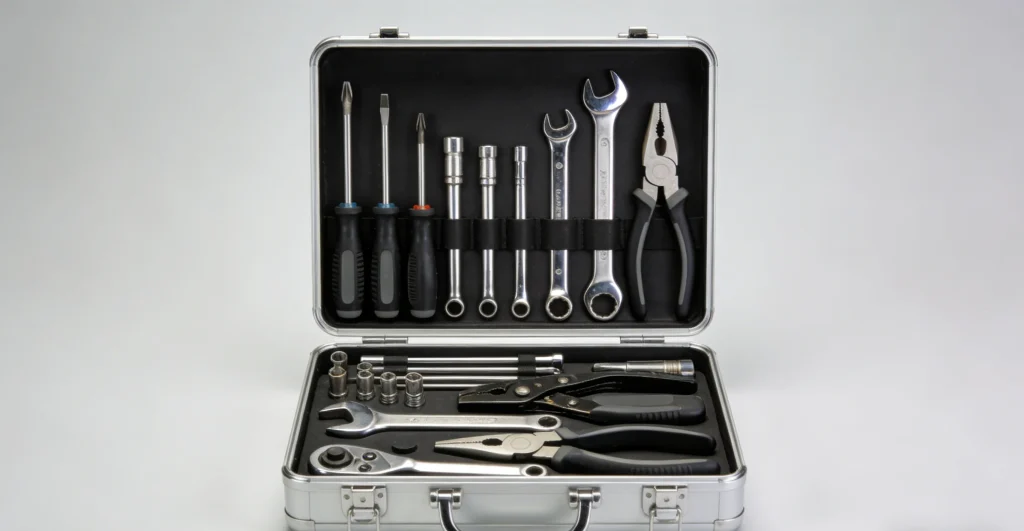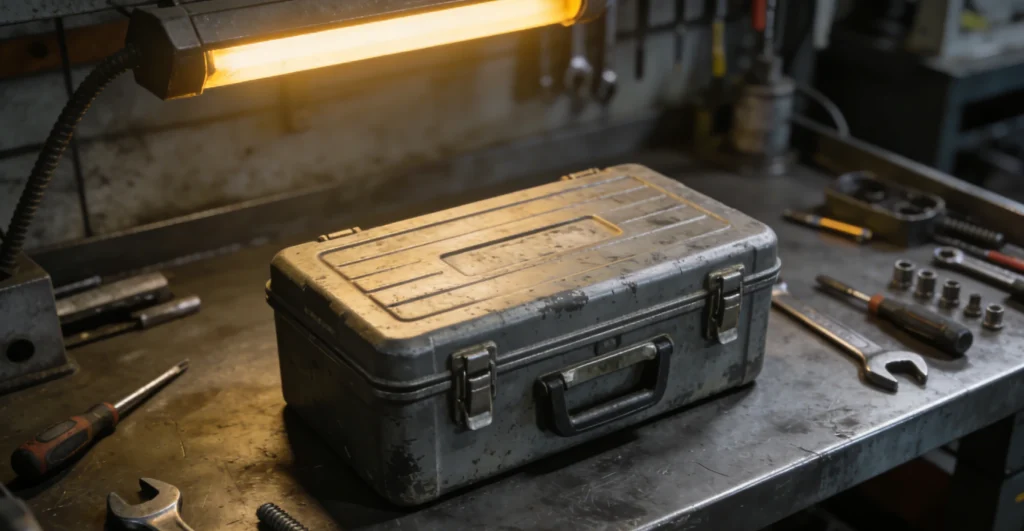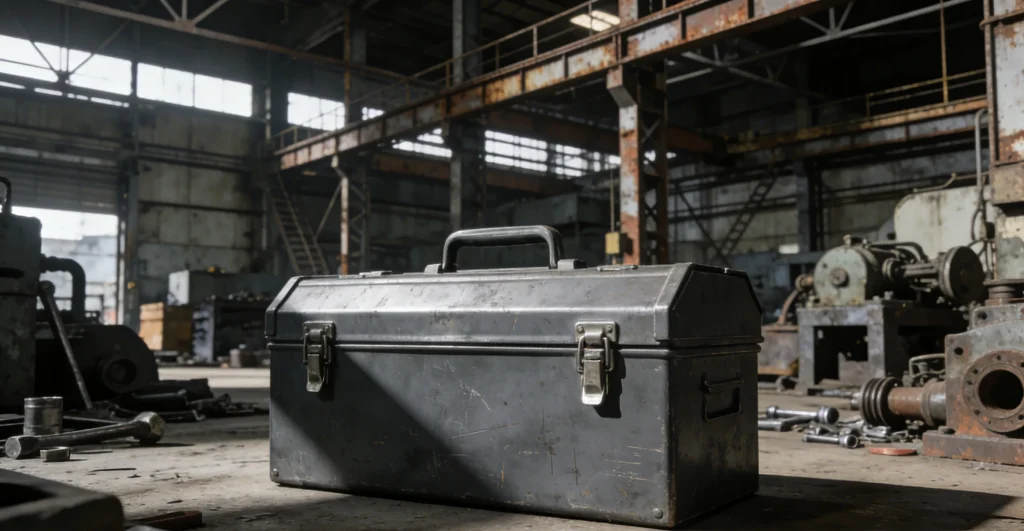
A portable toolbox is a storage device designed for convenient carrying and organized tool storage. It is commonly used in repair, installation, inspection, and equipment maintenance work scenarios. Compared with fixed tool cabinets, portable toolboxes are smaller in size and easier to move. Workers can carry them according to changes in work locations, improving tool access efficiency. For industries that frequently require outdoor operations, on-site repairs, or mobile construction work, portable toolboxes can provide significant value. Different working environments have different requirements for tool storage. Some industries need to carry precision inspection tools, some need to store electrical equipment, while others need to transport mechanical repair tools.
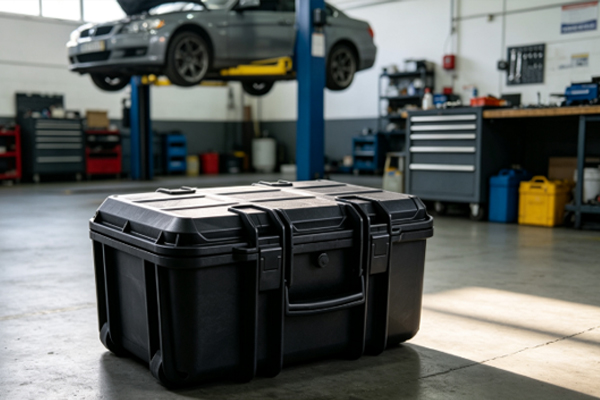
Therefore, portable toolboxes are usually designed with different structures based on application scenarios, such as multi-layer storage, modular compartments, waterproof designs, and reinforced locks, to meet the usage habits of different workers. With the development of industrial maintenance, equipment installation, engineering construction, and service industries, the application range of portable toolboxes continues to expand. From ordinary maintenance workers to professional technical engineers, everyone can improve work efficiency through toolboxes. Choosing a toolbox that matches industry requirements not only makes tool transportation more convenient but also helps reduce problems such as tool loss and disorderly storage.
Common Industries Using Portable Toolboxes
Mechanical Repair Industry
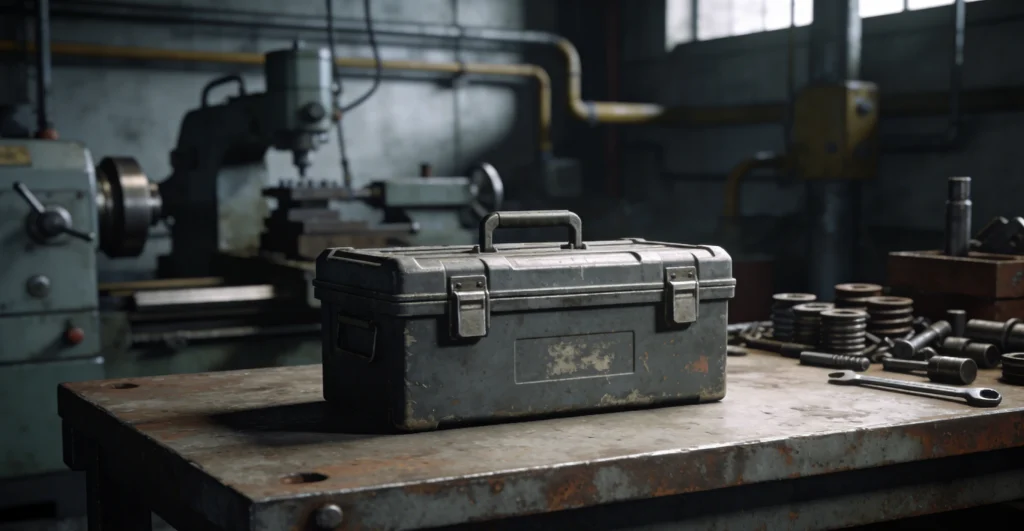
Mechanical maintenance workers need to carry various sizes of wrenches, screwdrivers, measuring tools, and replacement parts during daily work. Since repair locations may be factory production lines, equipment sites, or outdoor areas, tools need to be easy to transport. Portable toolboxes help maintenance workers centrally manage commonly used tools and quickly find the required tools according to different equipment repair needs.
Common stored items include:
- Basic repair tools such as wrenches, socket sets, and pliers
- Lubricants and small spare parts
- Measuring instruments and testing equipment
- Fasteners and replacement components
Electrical Installation Industry
The electrical industry is also one of the fields where portable toolboxes are widely used. Electrical installation, equipment wiring, and electrical maintenance work often require workers to carry various small tools. Electrical tools are usually numerous, and some have specific functions. Without proper classification and storage, it can be difficult to locate the required tools.
Portable toolboxes used by electricians are usually designed with multiple storage areas for placing:
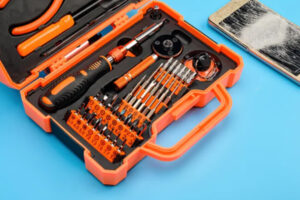
- Electrical testers, electrician knives, and wire strippers
- Multimeters and electrical testing equipment
- Insulation tape and wiring accessories
- Small electrical components
In residential repairs, factory maintenance, and electrical installation sites, portable toolboxes allow workers to complete tasks more efficiently.
Which Work Scenarios Require Portable Toolboxes More?
Outdoor Repairs and On-Site Services
Many equipment repair tasks are not completed in fixed workshops but are carried out at customer locations, roadside areas, or outdoor environments. For example, air-conditioning repair technicians, elevator maintenance workers, and engineering equipment repair personnel often need to carry tools to different locations. Portable toolboxes can reduce the difficulty of transporting tools while protecting them from external environmental impacts. Some outdoor working environments are relatively complex, so toolboxes also need to have dustproof, waterproof, and impact-resistant features to prevent tool damage.
Automotive Repair and Maintenance Industry
During vehicle repair, a large number of professional tools are required, such as socket tools, diagnostic equipment, and disassembly tools. For automotive repair technicians, portable toolboxes can be used for daily maintenance work and can also serve as onboard tool storage equipment. Especially in the roadside assistance industry, workers need to quickly reach vehicles with problems, making convenient tool transportation very important. A toolbox with suitable capacity and a clear internal structure can help repair personnel complete inspections and repairs quickly.
Engineering Construction Industry
Engineering construction sites usually cover large areas, and workers need to perform installation and maintenance work in different locations. Portable toolboxes allow construction workers to carry commonly used tools with them, reducing the need to frequently return to tool storage areas.
For example:
- Building installation workers carry measuring tools
- Plumbing and electrical workers carry installation tools
- Equipment installation workers carry adjustment and testing tools
For jobs with frequent changes in working environments, portable toolboxes have high practical value.
What Should Be Considered When Choosing a Portable Toolbox?
Choose Capacity According to the Number of Tools
Different occupations require different numbers of tools, so the toolbox size should be selected reasonably. If it is only used to store basic repair tools, a small portable toolbox can be selected for easier carrying. If larger tools or more spare parts need to be stored, a larger-capacity model is required. A toolbox with insufficient space can cause tools to pile up and make searching inconvenient, while an oversized toolbox increases carrying weight.
Choose Material According to the Working Environment
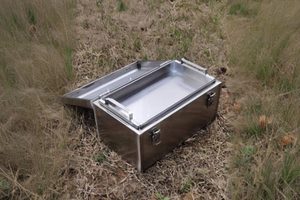
Common materials for portable toolboxes include plastic, aluminum alloy, and steel.Plastic toolboxes are lightweight and suitable for general repairs and household use. Aluminum alloy toolboxes have higher strength and are suitable for industrial environments. Steel toolboxes provide strong load-bearing capacity and are more suitable for storing heavier tools. When selecting a toolbox, users should consider usage frequency and working conditions to ensure the toolbox can meet long-term usage requirements.
Choose Structure According to Carrying Method
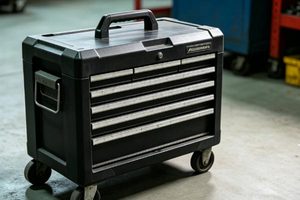
Portable toolboxes usually come in hand-carry, shoulder-carry, and trolley designs. Workers who frequently move short distances can choose hand-carry toolboxes. Those who need to carry many tools over long distances can choose models with wheels to improve mobility and convenience.
Frequently Asked Questions
Are Portable Toolboxes Only Used in the Repair Industry?
No. Although they are widely used in repair industries, portable toolboxes are also suitable for electronic manufacturing, laboratory testing, installation services, automotive maintenance, and other industries. As long as tools need to be carried and managed during work, portable toolboxes can be used.
Do Factory Production Line Workers Need Portable Toolboxes?
Yes. Equipment failures may occur during production line operation, and maintenance personnel need to carry tools for quick handling. Portable toolboxes help workers quickly locate repair supplies and reduce equipment downtime.
Can Professional Toolboxes Be Used for Home Repairs?
Yes. Daily household repairs usually require tools such as screwdrivers, hammers, and electric drill accessories. A small portable toolbox can help users organize these items and prevent tools from being placed randomly.
Portable toolboxes are suitable for various industries, including mechanical repair, electrical installation, automotive maintenance, engineering construction, and equipment servicing. For workers who need mobile operations, a suitable toolbox can solve problems such as inconvenient tool transportation, messy storage, and difficulty finding tools. When selecting a toolbox, it is necessary to consider the type of work, number of tools, and working environment. A toolbox with suitable capacity, reasonable structure, and reliable materials can better meet daily work requirements. Whether for professional maintenance personnel or ordinary users, portable toolboxes can help organize and protect tools, making work processes more efficient and improving tool usage efficiency.