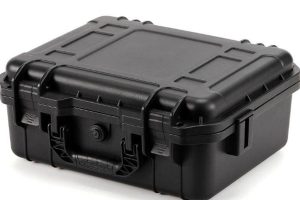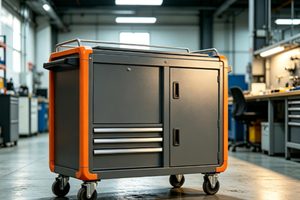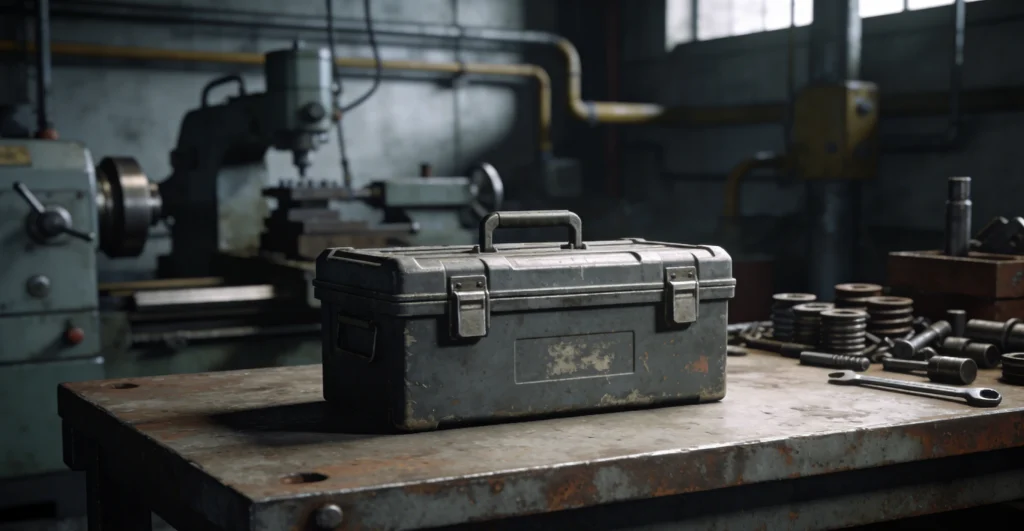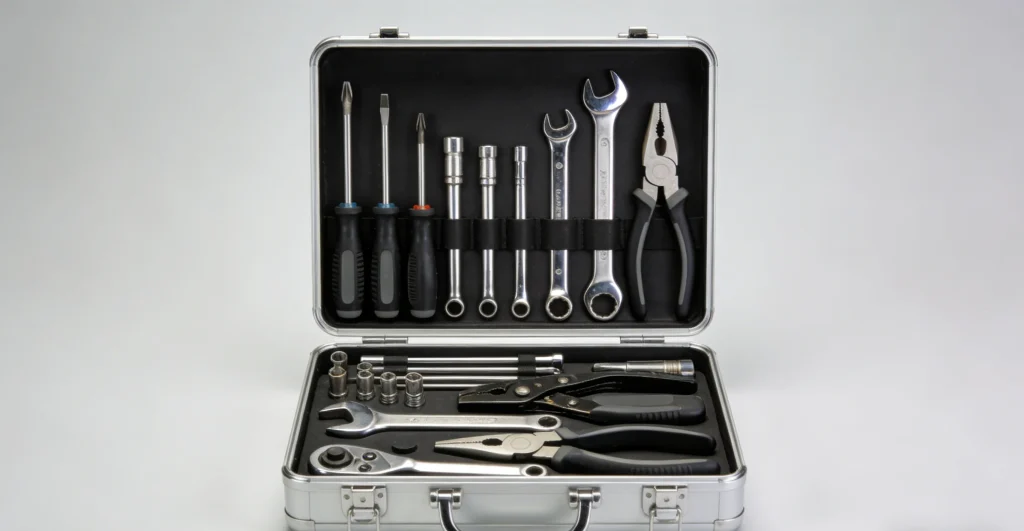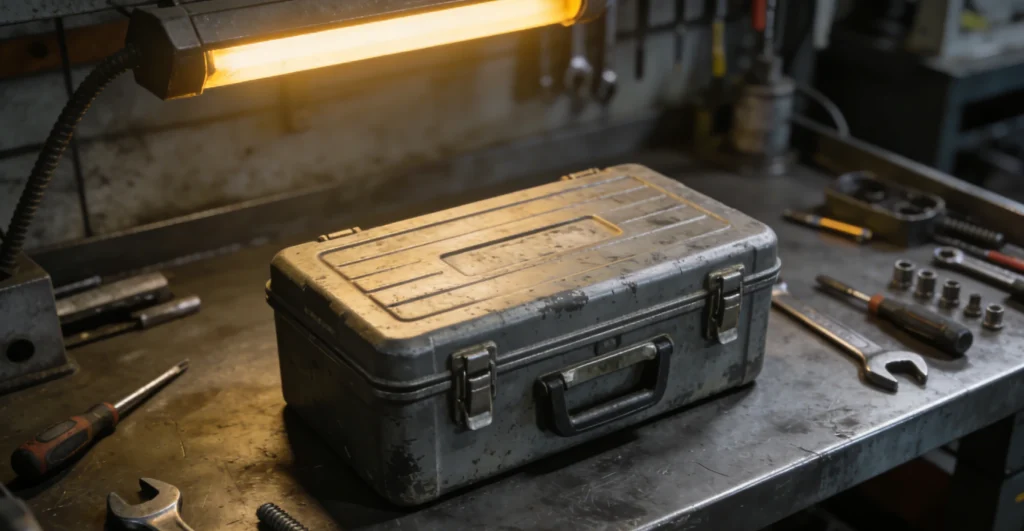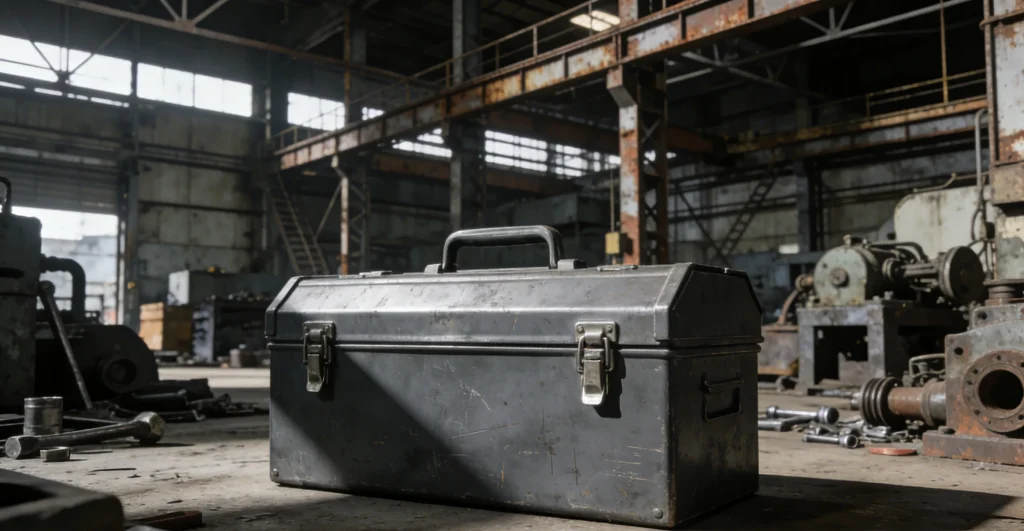
A portable toolbox is a storage device used for organizing, carrying, and protecting tools. It is widely used in repair, installation, inspection, construction, and daily maintenance work. Compared with fixed tool cabinets, portable toolboxes are more flexible in size and can be carried according to changes in working locations, allowing workers to quickly find the tools they need in different environments. In actual use, many users focus on the storage capacity, material strength, and portability when purchasing a toolbox, but they do not have a clear plan for what tools can be stored inside.
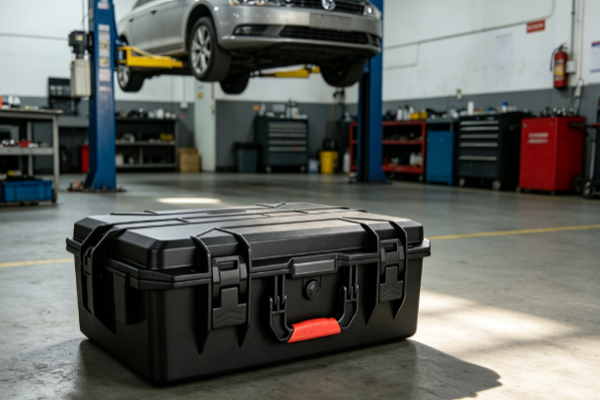
Different occupations have significant differences in the types of tools they use. For example, mechanical maintenance workers focus more on disassembly and installation tools, electricians need more testing equipment and insulated tools, while automotive repair workers require more specialized tools. Therefore, before choosing a portable toolbox, understanding the common types of stored tools can help users select a more suitable model. A well-designed portable toolbox usually adopts layered storage, compartmentalized sections, or modular storage structures, allowing different tools to have fixed positions. This not only reduces the problem of disorganized tool placement but also prevents tools from colliding with each other and causing damage. Whether for professional maintenance workers or ordinary household users, tools can be classified and organized according to personal needs to improve daily convenience.
Common Types of Tools Stored in Portable Toolboxes
Basic Hand Tools
The most common items stored in portable toolboxes are various basic hand tools. These tools have a wide range of applications and are suitable for many working scenarios, including repairs, installation, and equipment adjustments. Many workers use these tools frequently every day, so they are usually placed in the most accessible areas of the toolbox. Although hand tools have simple structures, there are many different types. Without proper organization, tools can easily become mixed together, making them difficult to find. Using a portable toolbox for classified storage allows workers to quickly locate the required tools when needed and reduces operation time at the worksite.
Common tools include:
- Screwdrivers, including Phillips screwdrivers and flat-head screwdrivers;
- Adjustable wrenches, fixed wrenches, and combination wrenches;
- Pliers, such as needle-nose pliers, diagonal cutters, and wire cutters;
- Hammers, small pry bars, and hex keys.
Most of these tools are basic supplies used in daily maintenance and are suitable for storage in toolboxes with divided compartments. For example, screwdrivers can be placed in dedicated slots, while wrenches can be arranged according to size. This saves space and allows workers to quickly check whether tools are complete. Basic hand tools are used most frequently in daily work, so whether the internal design of the toolbox is reasonable directly affects the actual user experience. If the internal space is well planned, even storing many tools will not make the toolbox appear messy.
Measuring and Testing Tools
In addition to tools used for assembly and disassembly, many jobs require measurement and testing equipment to determine the cause of problems. Therefore, measuring tools are also an important category of items stored in portable toolboxes. In mechanical repair, electrical inspection, equipment installation, and other tasks, relying only on experience is often insufficient to accurately identify problems. Professional testing tools are required to confirm dimensions, voltage, current, or equipment operating conditions. Portable toolboxes can provide safe storage space for these testing devices and prevent damage caused by impacts.
Common testing tools include:
- Measuring tapes and spirit levels
- Vernier calipers
- Multimeters
- Voltage testers
- Laser distance measuring tools
Although these tools are not always large in size, some are precision instruments and have certain storage requirements. For example, vernier calipers and electronic measuring devices may be affected by collisions if they are stored together with other metal tools for a long time. Therefore, some professional toolboxes are designed with soft padding or separate compartments to improve protection.
What Tools Are Commonly Stored by Different Professions?
Electrical Tool Configuration
The electrical industry is one of the fields where portable toolboxes are widely used. When performing wiring installation, electrical equipment maintenance, and fault inspection, electricians usually need to carry many different types of small tools. Without a suitable toolbox, these tools can easily become scattered and difficult to manage. Electrical work environments vary greatly. Sometimes electricians work beside factory equipment, sometimes at construction sites, and sometimes they need to perform outdoor repairs. Therefore, a portable toolbox with convenient carrying and clear organization can help electricians prepare for work more efficiently.
Electrician toolboxes usually store:
- Electrician knives, wire strippers, and crimping tools
- Insulated screwdrivers
- Electrical tape and wiring terminals
- Multimeters and electrical testing equipment
- Small electrical components
Since electrical tools often include equipment requiring insulation protection, the inside of the toolbox should remain dry to prevent long-term moisture damage. Some professional electrician toolboxes also include waterproof designs to improve tool protection. Because electricians often need to carry multiple tools at the same time, a toolbox with reasonable classification design can significantly reduce tool searching time and make repair work smoother.
Mechanical Repair Tool Configuration
Mechanical maintenance workers deal with different equipment failures every day, so the types of tools they use are usually extensive. Production equipment, engineering machinery, and industrial equipment may require disassembly, adjustment, and replacement of parts during operation. All these tasks rely on professional repair tools. Mechanical repair tools are usually heavier, so toolboxes require higher load-bearing capacity and more internal space. If the toolbox structure is weak, storing heavy tools for a long time may cause deformation and affect normal use.
Common stored tools include:
- Socket tool sets
- Torque wrenches
- Hex key sets
- Lubrication tools
- Spare screws and fasteners
Mechanical maintenance workers usually prepare different tool combinations according to work requirements. For example, daily inspections may only require basic tools, while large equipment repairs require more professional equipment. A portable toolbox with suitable capacity allows maintenance workers to move more conveniently between different machines while reducing the possibility of missing tools.
Automotive Repair Tool Configuration
The automotive repair industry has high requirements for tool variety. Whether performing routine maintenance or fault repairs, technicians need to use many assembly tools and testing devices. Automotive repair workers often deal with different vehicle models, so the tools in their toolboxes usually need to cover more application scenarios. Tasks such as engine repair, chassis inspection, and electrical testing require different tools to work together.
Automotive repair toolboxes may store:
- Ratchet wrenches
- Socket combination tools
- Spark plug sockets
- Diagnostic equipment
- Small repair accessories
Portable toolboxes are especially important for roadside assistance personnel. When a vehicle breaks down, repair workers need to quickly bring tools to the site. If tools are poorly organized, repair speed will be affected. By storing repair supplies in classified sections, workers can quickly begin inspection and repair after arriving at the site.
What Other Auxiliary Items Can Portable Toolboxes Store?
In addition to common repair tools, portable toolboxes can also be used to manage various auxiliary supplies. Although these items are not the main operating tools, they are frequently used during actual work. Without proper storage, they can easily become difficult to find when needed or become lost due to long-term mixing with other items. Many workers organize tools, parts, consumables, and safety supplies according to their own working habits when using toolboxes. This not only improves internal space utilization but also allows workers to quickly prepare required items after arriving at a worksite.
Small Parts and Consumables
During mechanical repair, electrical installation, and equipment maintenance, various small parts and consumables are often required. Although these items are small in size, they are usually large in quantity. If they are placed together with large tools, they can easily become disorganized. Portable toolboxes usually include small storage compartments for classifying different types of parts. Workers can place frequently used parts in easily accessible areas and less frequently used items in separate sections.
Examples include:
- Screws, nuts, and washers
- Cable ties
- Sealing rings
- Fuses
- Adhesives and lubricants
These small items play an important role during repairs. For example, loose equipment may require screw replacement; pipeline repairs may require sealing rings; electrical maintenance may require fuse replacement. Without prior organization, searching for these small items at the worksite can waste significant time.
Safety Protection Equipment
Many industries require workers to carry not only operating tools but also safety protection equipment. Especially in factories, construction sites, and equipment maintenance areas, workers need protective supplies to reduce work risks. Portable toolboxes provide storage space for commonly used safety items, allowing workers to carry them conveniently.
Common items include:
- Protective gloves
- Safety glasses
- Masks
- Small lighting equipment
- Reflective marking supplies
For example, when repairing mechanical equipment, workers may need protective gloves to prevent hand injuries. When handling equipment in dusty environments, masks are required for protection. When inspecting equipment in dark areas, lighting tools are needed. Placing these supplies in the toolbox prevents situations where workers discover missing protective equipment only after starting work. At the same time, the toolbox can also provide certain protection against dust and external environmental effects.
Electronic Repair Equipment
With the increasing use of electronic devices, the demand for portable toolboxes in electronic repair industries has also grown. Electronic repair technicians usually need to carry precision tools. These tools are small but have higher requirements for storage conditions. If ordinary tools are placed together without protection, electronic repair tools may be damaged. Therefore, electronic repair workers usually choose toolboxes with separators or protective layers.
Examples include:
- Precision screwdriver sets
- Tweezers
- Soldering tools
- Test leads
- Small circuit testing equipment
During electronic product repair, workers often need to perform disassembly, inspection, and component replacement. If tools are disorganized, it not only affects repair speed but may also cause precision tools to be lost. A suitable portable toolbox helps electronic repair workers establish a clear tool management system, ensuring each tool has a fixed storage location.
Frequently Asked Questions
Can Portable Toolboxes Store Power Tools?
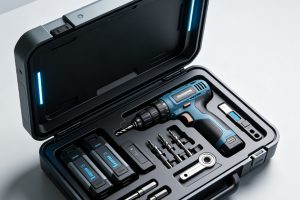
Yes, but it depends on the toolbox size and load-bearing capacity. Some larger portable toolboxes have sufficient internal space and can store small power tools, such as cordless drills, small grinding equipment, and related accessories. However, not all toolboxes are suitable for storing power tools. Power tools are usually heavier, and if the toolbox material is too thin or the structure is not strong enough, long-term use may cause damage. When storing power tools, pay attention to:The tool weight should not exceed the toolbox load capacity; Batteries and the main tool body should preferably be protected separately; Avoid mixing power tools with precision equipment.If power tools are frequently carried during work, it is recommended to choose a reinforced toolbox to improve usage stability.
Does a Toolbox Need to Store All Tools?
No. The main purpose of a toolbox is to make common tools easier to carry and manage, not to store every tool in one place. If too many rarely used tools are placed inside, the overall weight will increase and searching efficiency will decrease. Workers usually use a relatively fixed set of tools every day, so they can choose what to carry according to the task. For example, equipment inspection workers may only need basic wrenches, screwdrivers, and testing tools, while major repair tasks require more specialized equipment. Choosing the right number of tools is more important than simply increasing the quantity.
Are Precision Tools Suitable for Ordinary Toolboxes?
Yes, but the toolbox should be selected according to the type of precision tools. Items such as vernier calipers, electronic testing equipment, and small measuring instruments require higher protection.
If an ordinary toolbox does not have compartments, precision equipment may be damaged by collisions with other tools. Therefore, it is recommended to use toolboxes with soft padding, divided slots, or independent storage areas. Professional precision toolboxes can provide better protection for professional inspection personnel.
Portable toolboxes can store a wide variety of tools, from basic hand tools and professional testing equipment to repair consumables and safety supplies. When using a portable toolbox, users should select a suitable capacity according to actual work requirements and organize tools based on usage frequency. Frequently used tools can be placed in easily accessible locations, while backup tools and small parts can be stored in separate areas. This can improve overall work efficiency. At the same time, proper tool organization can not only protect tools and extend their service life but also make on-site operations more convenient for workers. Choosing a portable toolbox that meets personal needs and developing a habit of classified storage can make tool management clearer and improve daily work convenience.