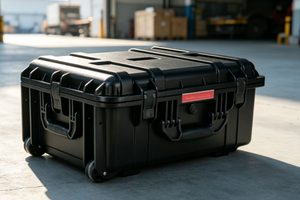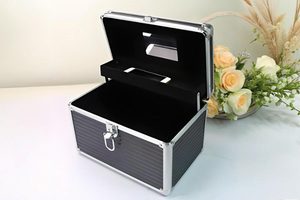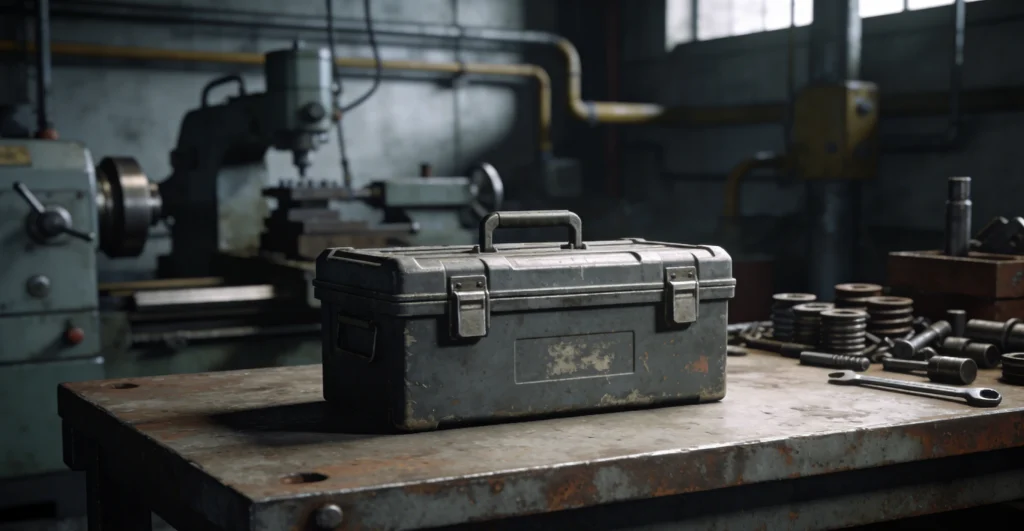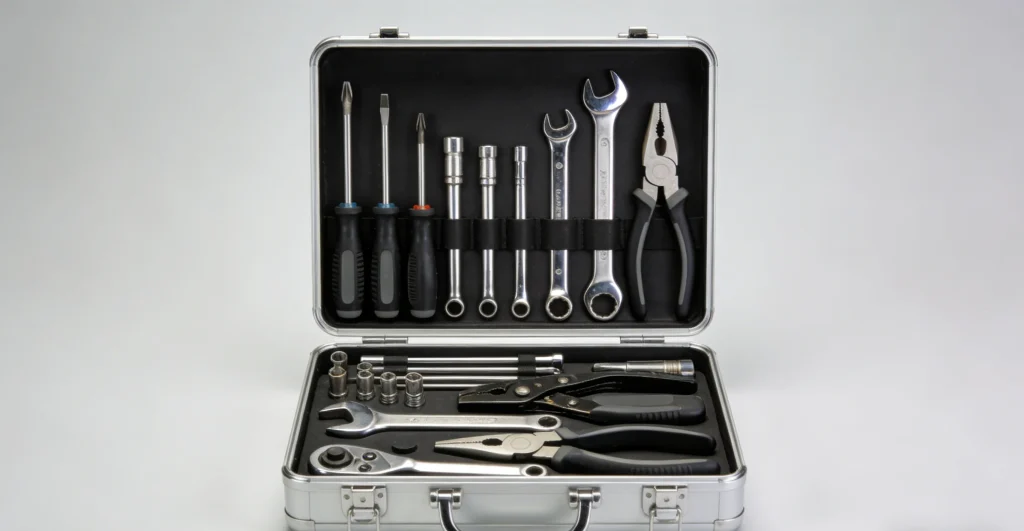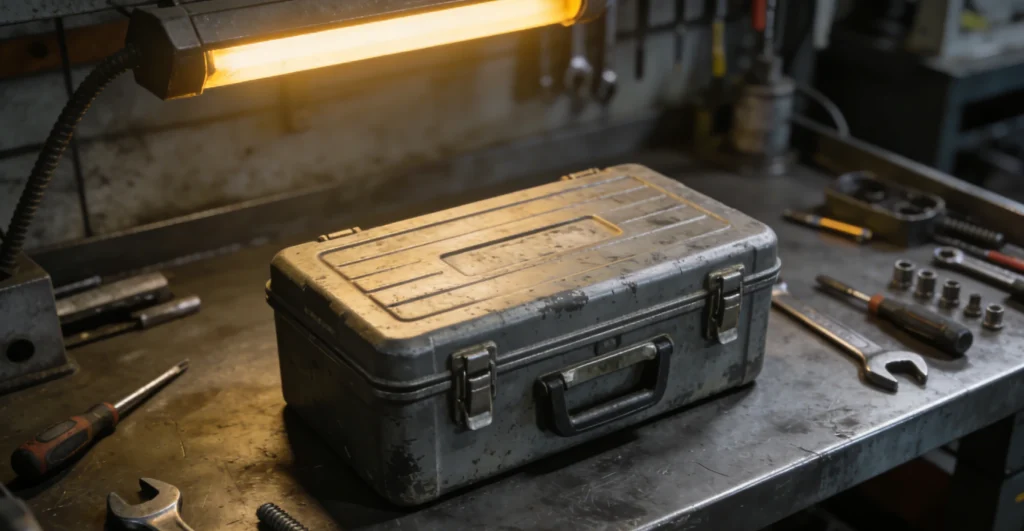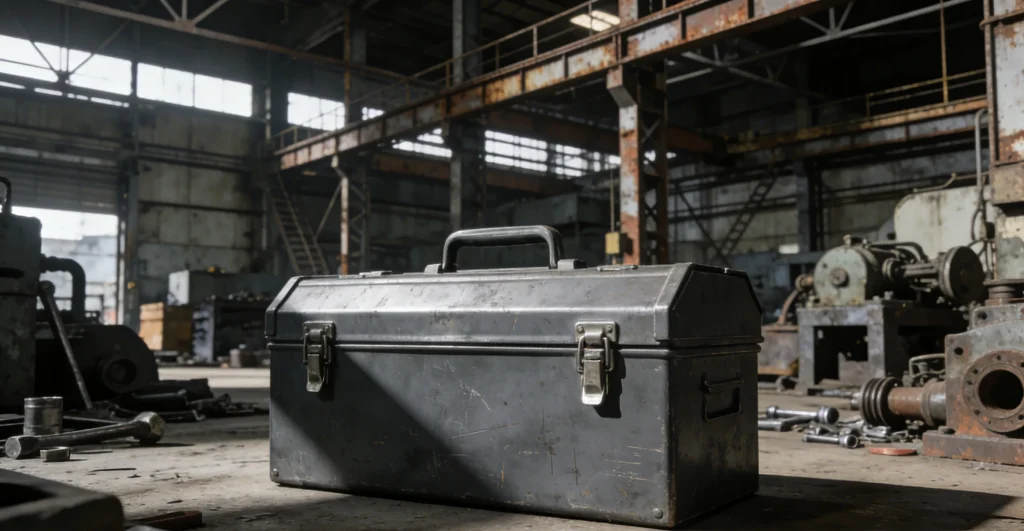
Portable tool boxes are widely used in mechanical repair, electrical maintenance, automotive servicing, outdoor construction, and other working environments. They are mainly used to store wrenches, screwdrivers, measuring instruments, electronic devices, and other repair tools. Since tool boxes need to be frequently carried and moved, and the working environments often change, the interior is easily affected by temperature variations and air humidity, resulting in condensation problems. Condensation is usually formed when moisture in the air encounters the cooler inner wall of the tool box and turns into small water droplets. For example, after a tool box is opened in a warm environment, humid air enters the box. When the tool box is later moved into a low-temperature environment, the internal temperature decreases, causing moisture in the air to condense on metal surfaces, tool surfaces, or the bottom of the box.
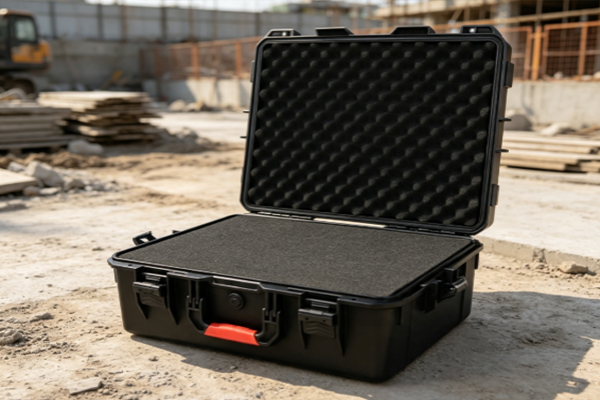
Condensation inside a portable tool box can have certain effects on tool storage. Metal tools exposed to moisture for a long time are prone to rust, precision instruments may be affected by humidity, and electronic components may experience reduced service life due to moisture. If the tool box is frequently used outdoors or in areas with large temperature differences, reducing condensation becomes especially important. Lowering humidity inside the tool box requires adjustments in usage habits, box structure, and storage methods. Through proper management, moisture accumulation can be reduced, keeping the interior of the tool box dry and maintaining tools in good working condition.
Methods to Reduce Condensation Inside a Tool Box
Keep the Tool Box Interior Dry and Reduce Moisture Sources
The formation of condensation inside a portable tool box is directly related to moisture entering the box. Therefore, reducing moisture entry is an important method for lowering condensation. In many cases, humidity inside the tool box is not caused by the box itself but by moisture brought in during use. For example, during repairs in rainy weather, tools may have water droplets attached to their surfaces. Tools that are placed into the box before being completely dried after cleaning can also increase internal humidity.
During daily use, the following operations should be considered:
Dry Tools Before Storage: After using repair tools, remove surface moisture, oil stains, and dust. This is especially important for stainless steel tools, steel tools, and other metal products to prevent moisture from being introduced into the enclosed space.
Avoid Storing Wet Items: Items such as gloves, rags, and cleaning cloths easily absorb moisture. If they are placed directly inside the tool box, they will continue releasing humidity and increase the possibility of condensation.
Open the Tool Box Regularly for Ventilation: When a tool box remains closed for a long time, internal air circulation becomes limited and moisture can accumulate. Regularly opening the box for ventilation helps remove water vapor.
Keeping the inside of the tool box dry is a basic measure for reducing condensation formation. Good storage habits can lower the risk of tool rust and damage.
Improve Tool Box Structure
Choose Suitable Designs to Reduce Moisture Accumulation
The structural design of a portable tool box also affects internal condensation conditions. A completely sealed tool box can reduce the entry of external dust, but if moisture already exists inside, poor air circulation may cause water vapor to remain for a long time. When selecting a tool box, attention can be paid to the box material, sealing method, and internal design.
Common improvement methods include:
Use Moisture-Resistant Materials: Some tool boxes are made with anti-rust coatings, corrosion-resistant metals, or high-strength plastics, which can reduce the effects of moisture exposure and improve service stability.
Add Ventilation Design: Proper ventilation structures can help exchange internal air and reduce moisture accumulation. However, for environments requiring dustproof and waterproof performance, a balance between sealing ability and ventilation requirements should be maintained.
Use Moisture-Proof Auxiliary Products: Desiccants, moisture absorbers, and other products can be placed inside the tool box to absorb moisture in the air and reduce humidity condensation.
Improve Internal Layout: Tools should not be packed too tightly together. Leaving appropriate space for air circulation can reduce water vapor condensation caused by local temperature differences.
A reasonable structural design allows the tool box to better adapt to different working environments and reduce the occurrence of water droplets inside the box.
Frequently Asked Questions
Why are water droplets more likely to appear inside tool boxes during winter?
Tool boxes are more likely to experience condensation during winter or in environments with large temperature differences. The main reason is that the temperature difference between the inside and outside of the box changes significantly. When warm air enters the box and comes into contact with a colder metal surface, water droplets are easily formed. For example, after workers organize tools indoors and then take the tool box outdoors in cold weather, moisture in the internal air may quickly condense. This situation is more obvious in metal tool boxes because metal materials transfer heat quickly, causing the temperature of the inner wall to change more noticeably.
Can placing desiccants inside a tool box completely solve condensation problems?
Desiccants can help absorb some moisture but cannot completely eliminate condensation. If humid air continuously enters the tool box or the tools themselves carry a large amount of moisture, relying only on desiccants will have limited effects. A better approach is to combine them with improved usage habits, such as keeping tools dry, reducing frequent movement between hot and cold environments, and replacing desiccants regularly to maintain stable moisture control.
Methods for Outdoor Maintenance Workers to Reduce Tool Box Moisture
An engineering maintenance worker often needs to carry a portable tool box to outdoor equipment sites. Due to large changes in working environments, the tool box is frequently moved from the warm interior of a vehicle to the cold outdoor environment. After long-term use, slight rust appeared on the surfaces of the internal tools. After inspection, it was found that the main causes were temperature changes and residual moisture carried by the tools. The maintenance worker adjusted the usage method by drying tools after daily use, placing moisture-proof materials inside the tool box, and avoiding storing wet gloves and cleaning cloths inside. After a period of use, moisture inside the tool box was significantly reduced, and the rust problem on tool surfaces was improved. At the same time, the worker regularly opened the tool box for ventilation to keep the internal air dry. Reducing condensation inside a portable tool box requires adjustments based on the actual working environment. A single method can only relieve the problem, while combining multiple measures can achieve better moisture protection results.
Condensation inside a portable tool box is mainly affected by humidity, temperature differences, and storage methods. Reducing condensation requires starting with daily usage habits, keeping tools dry, preventing wet items from entering the box, and using moisture-proof products and reasonable structural designs to reduce moisture accumulation. For workers who frequently operate outdoors, in workshops, or in environments with large temperature changes, proper moisture control of tool boxes is very important.
Removing moisture from tool surfaces in time, regularly checking internal conditions, and arranging tool placement properly can effectively reduce the impact of condensation. A dry and organized tool box can not only protect repair tools but also improve tool usage efficiency. Through correct maintenance and proper use, problems such as rust and moisture damage can be reduced, allowing portable tool boxes to maintain good storage performance for a long time.