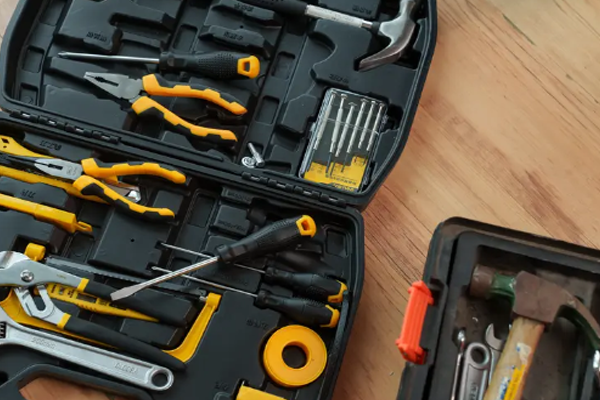
On construction sites, tool management is an important factor that affects project efficiency. From plumbing and electrical installation to door and window installation, steel structure projects, and equipment maintenance, different construction tasks require a wide range of hardware tools. When tools are poorly organized, workers may spend extra time searching for equipment, tools may become damaged, and project progress can be affected. For companies in the hardware industry, construction hardware tool boxes are no longer just simple storage products. They have become an important solution for improving work efficiency and protecting tools. A professional tool box needs to meet the demands of complex construction environments, providing strong durability, sufficient capacity, protection, and convenient management to make job site operations more organized and efficient.
Why Do Construction Projects Need Professional Hardware Tool Box Solutions?
Construction environments are often complex, with frequent tool usage and different requirements for each type of work. Traditional storage methods can easily lead to mixed tools, difficult access, and inefficient management. Especially in large-scale construction projects, poor tool organization can directly affect worker productivity.
Professional construction hardware tool boxes can be designed according to specific project requirements, providing dedicated storage areas for different tools and improving overall site management.
| Tool Box Type | Main Features | Suitable Applications |
| Aluminum Tool Box | Strong, durable, and highly protective | Construction sites and equipment installation |
| Mobile Tool Box | Easy to move and large capacity | Large-scale engineering projects |
| Drawer Tool Box | Clear classification and quick access | Maintenance and installation work |
| Customized Tool Box | Designed according to specific tools | Bulk enterprise purchasing |
Improve Tool Management Efficiency on Construction Sites
During construction work, workers use many different tools, including wrenches, power tools, measuring instruments, screwdrivers, and pliers. Without fixed storage locations, workers often spend extra time searching for tools, reducing overall work efficiency.
- Better tool classification. Tools can be organized according to different jobs and categories, allowing workers to quickly find what they need.
- Less time spent organizing tools. After use, tools can be returned to fixed locations, preventing random placement on-site.
- Easier project management. Supervisors can quickly check tool quantities and usage conditions.
Professional tool boxes help construction companies establish more standardized management methods, allowing workers to focus more on actual construction tasks and improve project progress.
Protect Hardware Tools and Reduce Replacement Costs
Construction sites often involve dust, impacts, moisture, and frequent transportation. Without proper protection, tools may experience wear, rust, or damage over time.
- Reduce the risk of tool collisions. Separate storage areas prevent tools from damaging each other.
- Improve tool protection. Strong box structures help tools withstand complex construction environments.
- Extend tool service life. Reduces the cost of frequently replacing equipment.
For hardware industry companies, choosing a reliable tool box is not only about convenient storage but also about improving tool utilization and reducing long-term operating costs.
Tool Box Selection Solutions for Different Construction Applications
Construction projects include many professional fields, and different teams have different requirements for tool boxes. Installation workers focus on quick access, maintenance teams need larger storage capacity, and project managers pay more attention to tool safety and standardized management. Therefore, companies should choose tool box solutions based on actual application scenarios.
Tool Box Solutions for Plumbing and Electrical Installation Projects
Plumbing and electrical installation work requires many hand tools and professional equipment, such as wrenches, electrical tools, and testing instruments. Tool boxes need strong organization capabilities to help workers operate efficiently.
- Compartment designs improve tool access efficiency. Different tools can be stored separately to reduce confusion.
- Lightweight structures support easier movement. Suitable for changing work locations.
- Protective designs safeguard professional equipment. Reduce damage during transportation.
A properly designed tool box solution helps installation teams improve work efficiency while creating a more organized and professional working environment.
Applications in Construction Maintenance and Equipment Installation
During building maintenance and equipment installation, workers need many repair tools, making capacity and durability important factors.
- Large-capacity designs support various tools. Multiple maintenance tools can be stored together.
- Mobile features improve workplace flexibility. Workers can move tools directly to different work areas.
- Reinforced structures support long-term use. Suitable for frequent operation in construction environments.
- Optimized internal layouts improve workflow. Reduces time wasted searching for tools.
For large construction projects, professional tool boxes help maintenance teams respond quickly to site requirements and improve overall working efficiency.
Development Trends of Construction Hardware Tool Boxes in the Hardware Industry
With the continuous development of the construction industry, companies have higher expectations for tool management. Traditional tool boxes can no longer fully meet modern engineering requirements. The market is increasingly focused on materials, structural design, and customization capabilities to improve construction site management.
High-Strength Material Tool Boxes Are Becoming More Popular
Construction environments require high durability from tool boxes, making material quality an important consideration.
- Aluminum tool boxes are gaining more attention. Aluminum alloy provides excellent strength while maintaining suitable weight for construction use.
- Wear-resistant structures improve service life. They can withstand long-term transportation and frequent use.
- Professional designs enhance protection. Suitable for storing valuable hardware tools.
Aluminum tool boxes are not only used in construction projects but are also widely applied in equipment installation, engineering maintenance, and other hardware industry applications.
Customized Tool Boxes Meet Enterprise Requirements
Different construction companies use different types and quantities of tools. Standard tool boxes may not fully meet actual working requirements, making customized solutions increasingly popular.
- Internal spaces designed according to tool sizes. Improves storage efficiency.
- Layouts adjusted based on construction processes. Makes tool organization more practical.
- Supports centralized enterprise management. Helps multiple project teams use standardized storage solutions.
Customized tool boxes can better match the needs of construction companies and represent an important direction for future hardware tool management.
How Construction Hardware Companies Choose the Right Tool Box Solution?
When purchasing tool boxes, construction companies should consider more than just price. Working environments, tool quantities, and long-term usage requirements all affect the final choice. A suitable tool box should provide tool protection, quick access, and efficient management.
Choose Tool Boxes Based on Construction Requirements
Different project sizes require different tool box solutions.
- Small construction teams can choose basic tool boxes. Suitable for daily tool storage needs.
- Large engineering projects are better suited for mobile tool boxes. Improve on-site tool distribution efficiency.
- Specialized construction fields benefit from customized tool boxes. Better match unique tool requirements.
Before selecting a tool box, companies can evaluate their commonly used tools and working conditions to choose a solution that avoids insufficient capacity or unnecessary features.
Pay Attention to Tool Box Design Details
Construction environments are demanding, and design details directly affect actual performance.
- Lock structures affect safety. Prevent tools from falling out during transportation.
- Internal layouts influence access efficiency. Proper organization reduces searching time.
- Corner protection improves durability. Reduces damage caused by impacts.
- Material quality determines service life. High-quality manufacturing supports long-term construction use.
A construction hardware tool box solution is not simply a storage product. It is an effective way to improve site efficiency, protect tools, and create better management systems. For companies in the hardware industry, selecting tool boxes designed for construction environments can reduce tool loss, improve team productivity, and optimize overall project management. Siphia Box provides professional tool box solutions for construction, hardware manufacturing, and industrial applications, helping companies build safer, more efficient, and organized tool management systems.