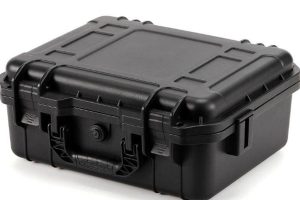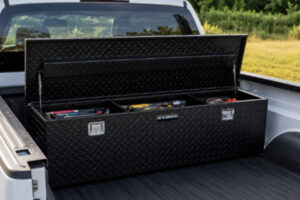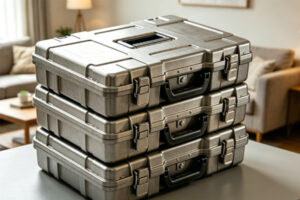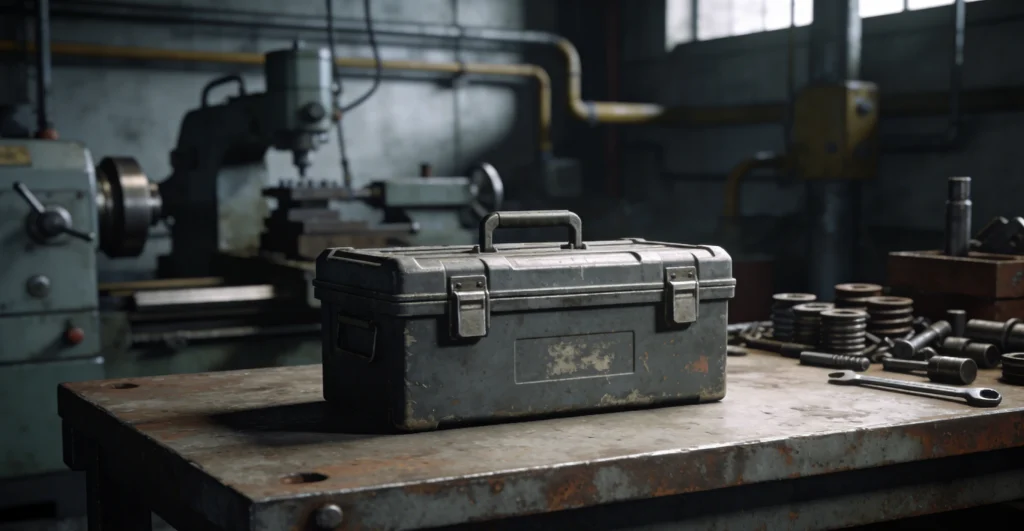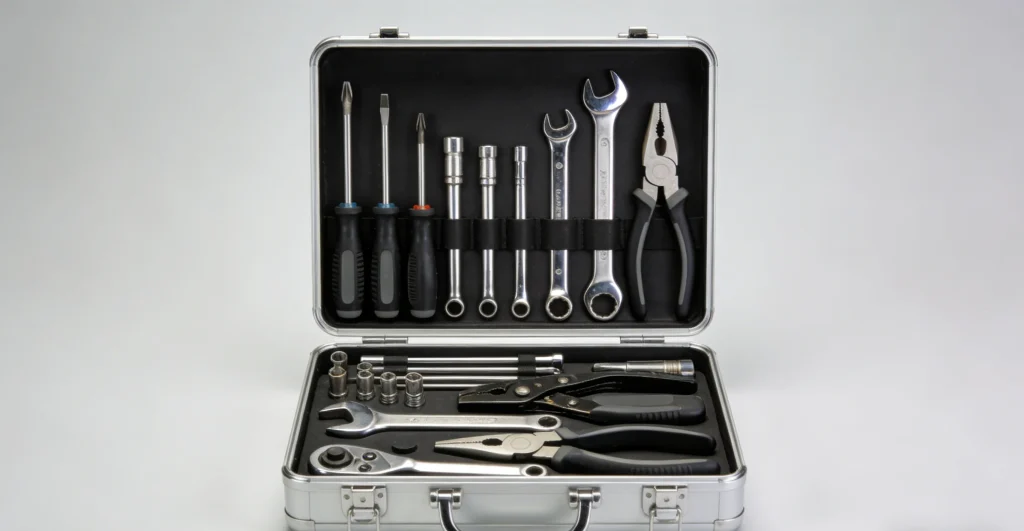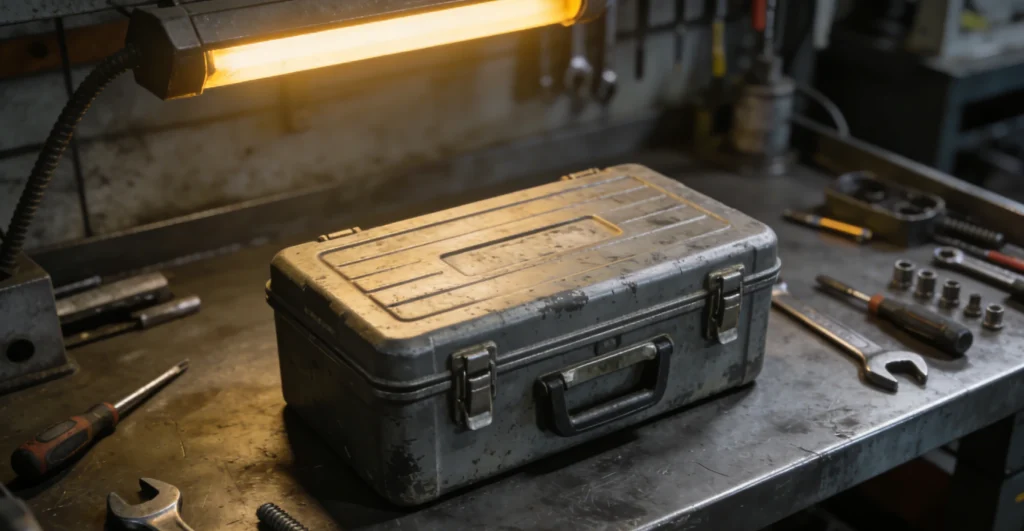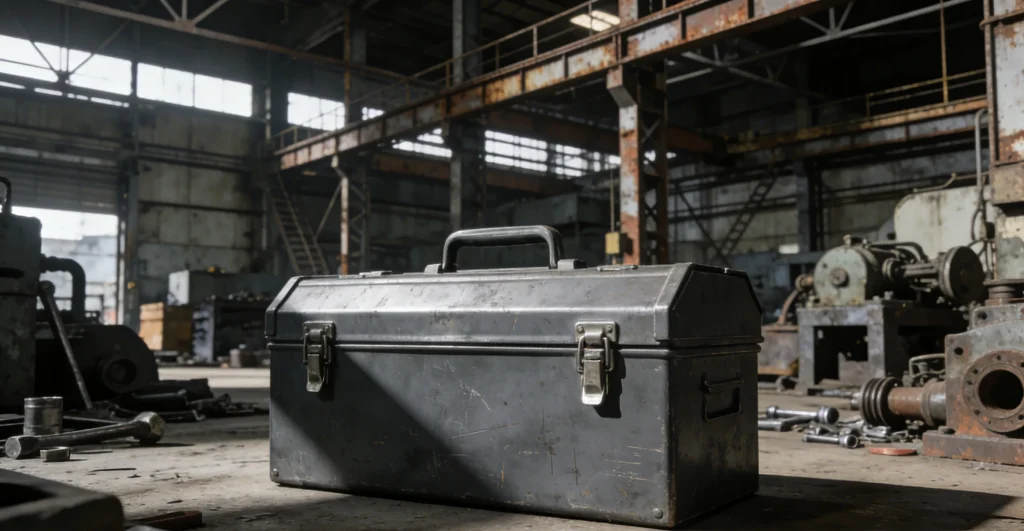
Lorry tool boxes are mainly installed on the side of the vehicle, chassis, under the cargo bed, or behind the cab, and are used to store repair tools, safety equipment, transportation supplies, and daily-use items. Since different lorry models, frame structures, and operating environments have different requirements, standard-sized tool boxes may not always meet the needs of every vehicle. Therefore, more and more users choose to customize tool boxes according to their actual conditions. The customization of lorry tool boxes needs to consider the vehicle installation position, usage requirements, tool weight, and working environment. From size measurement and material selection to production processing and installation testing, every step affects the final performance of the product. If the initial design is unreasonable, problems such as inability to install the tool box, insufficient storage capacity, inconvenient opening and closing, or inadequate load-bearing capacity may occur.
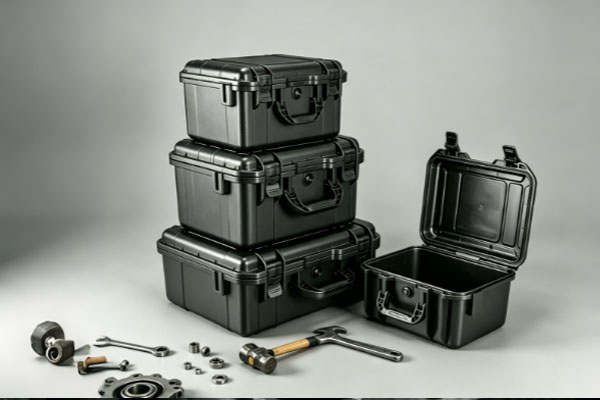
Specific Steps for Customizing Lorry Tool Boxes
The first step in customizing a lorry tool box is to confirm the installation location and dimensional data. Since the chassis structure of each lorry is different, the tool box installation area may contain brackets, fuel tanks, wiring, or other components. Therefore, the size cannot be determined simply based on the vehicle model. During measurement, it is necessary to record the length, height, and width of the installation area while considering the opening method of the tool box and the safety clearance required during vehicle operation. In addition to basic dimensions, it is also necessary to check whether there are surrounding structures that may affect installation.
During the measurement process, attention should be paid to:
Confirm the installation area: It is necessary to determine whether the tool box will be installed on the side of the frame, the rear of the vehicle, or another location. Different installation positions require different design approaches.
Record space limitations: During measurement, avoid components such as tires, exhaust pipes, and fuel tanks to prevent collisions after the tool box is installed.
Consider usage requirements: Based on the quantity and size of tools that need to be stored, determine the internal capacity of the tool box to avoid insufficient space after production.
Accurate data is an important basis for subsequent design. The more detailed the measurements are, the easier it is for manufacturers to produce a product that meets the vehicle requirements.
Selecting Materials and Determining the Structural Design
After confirming the dimensions, suitable materials and structural designs need to be selected according to the working environment. Common materials for lorry tool boxes include stainless steel, aluminum alloy, and steel plates. Different materials have differences in weight, strength, and corrosion resistance. If the vehicle operates outdoors for a long time and frequently encounters rain, mud, and other harsh conditions, materials with better corrosion resistance can be selected. If the tool box is mainly used for storing heavy maintenance tools, the strength and load-bearing capacity of the box body need to be considered.
During the design stage, the following aspects are usually determined:
Box structure: The thickness of the box body is designed according to the weight of the tools. The bottom and corners are reinforced to improve overall stability.
Opening method: According to the installation location, an upward-opening door, side-opening door, or drawer-style structure can be selected to make it easier for users to access tools.
Internal layout: Partitions, hooks, or separated storage areas can be designed according to different tool types to improve internal space utilization.
Fixing method: Suitable mounting brackets and connection methods are designed to ensure that the tool box remains stable during vehicle operation.
After the structural design is completed, manufacturers usually proceed with production according to the design plan, including cutting, bending, welding, polishing, and surface treatment processes.
Inspection Process After Lorry Tool Box Production
After the tool box is manufactured, the customization process is not completely finished. Installation inspection and usage testing are still required. During installation, it is necessary to confirm whether the tool box matches the vehicle structure and whether the fixing position is secure.
During testing, the following items can be checked:
Check installation stability: Confirm whether connecting components such as bolts and brackets are firmly secured to prevent shaking during vehicle operation.
Test door opening and closing: Check whether the door can be opened and closed normally and whether the locking system operates smoothly.
Check protection performance: Confirm whether there are gaps in the box body and whether the sealing structure can effectively reduce the entry of dust and rainwater.
Test load-bearing capacity: Place tools inside according to actual usage conditions and check whether the box body shows deformation or abnormal conditions.
Through installation testing, problems in the design or manufacturing process can be identified and adjusted in time, making the tool box better suited to vehicle requirements.
Frequently Asked Questions
What information is required for customizing a lorry tool box?
When customizing a tool box, users usually need to provide the vehicle model, installation location photos, dimensional data, and tool storage requirements. If possible, providing detailed pictures of the vehicle installation area can help manufacturers better understand the structural conditions. In addition to vehicle information, users also need to explain the operating environment, such as whether the vehicle frequently travels on mountain roads, whether it is parked outdoors for long periods, and what types of tools need to be stored. These details will affect material selection and structural design.
How long does it take to customize a lorry tool box?
The production time depends on the size, material, and structural complexity of the tool box. Tool boxes with standard structures usually have a shorter production cycle, while products with special designs, reinforced structures, or customized internal layouts require more processing time. Confirming requirements in advance allows manufacturers to arrange the production process more efficiently and reduce communication and modification time.
The customization process of lorry tool boxes mainly includes requirement confirmation, dimensional measurement, structural design, material selection, production processing, and installation testing. Each stage affects the final performance of the tool box. Since different lorries and working environments have different requirements, the design needs to be based on actual conditions. A suitable lorry tool box should not only provide sufficient storage space but also have a stable structure, convenient operation, and excellent protection performance. Through a standardized customization process, the tool box can better adapt to vehicle requirements, improve repair tool management efficiency, and provide greater convenience for daily transportation and maintenance work.