
Agricultural machinery operates in environments such as farmland, orchards, pastures, and production bases, where it faces continuous operation, dust exposure, equipment vibration, and weather changes. During long-term use, agricultural equipment may experience loose fasteners, component wear, electrical abnormalities, and mechanical structure deviations. Timely maintenance helps reduce downtime and improve production continuity. An agricultural machinery field maintenance toolbox integrates repair tools, inspection equipment, and auxiliary accessories to provide convenient on-site maintenance support, making equipment inspection, adjustment, and servicing more efficient.
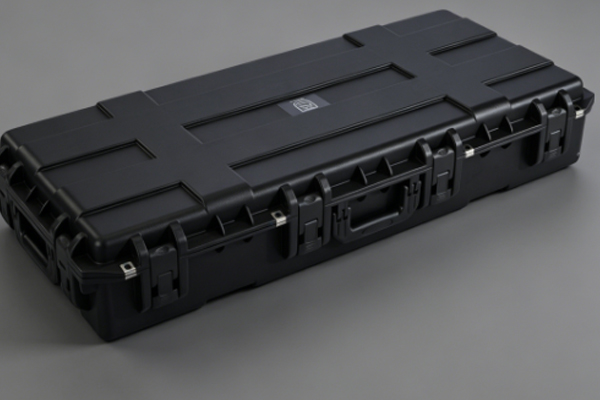
Agricultural Machinery Field Maintenance Toolboxes Improve Equipment Maintenance Efficiency
Field maintenance of agricultural machinery differs from fixed workshop repairs. Technicians need to carry tools to equipment operation locations and complete maintenance tasks directly on-site. Professional field maintenance toolboxes are designed for agricultural environments, improving tool transportation efficiency and operation convenience through reasonable storage layouts, portable structures, and durable materials.
Advantages of Agricultural Machinery Field Maintenance Toolboxes
Field maintenance toolboxes are manufactured with high-strength materials to adapt to complex agricultural environments. Internal storage areas classify different tools, reducing the time technicians spend searching for equipment while protecting tools during transportation.
Key advantages include:
- Improving On-site Maintenance Response Speed:When agricultural machinery experiences problems, maintenance personnel can carry the toolbox directly to the operating area for inspection and repair. Frequently used tools are stored together, allowing quick completion of tightening, disassembly, and adjustment tasks to improve equipment recovery efficiency.
- Optimizing Repair Tool Management Methods:Agricultural machinery maintenance requires various tools such as wrenches, testing instruments, and auxiliary equipment. Professional toolboxes use modular storage structures to keep tools in fixed positions, making access faster and reducing tool loss.
- Enhancing Outdoor Environment Adaptability:Agricultural environments often involve soil, dust, moisture, and oil contamination. Waterproof, dust-resistant, and impact-resistant structures improve toolbox protection and help maintain tools in good condition.
Professional agricultural machinery field maintenance toolboxes help agricultural users establish more efficient maintenance methods and reduce production impacts caused by equipment failures.
Applicable Equipment Types for Agricultural Machinery Field Maintenance Toolboxes
Different agricultural machines have different structural characteristics and require matching tool combinations during field maintenance. Professional toolboxes can be configured according to equipment categories to meet various agricultural machinery maintenance requirements.
| Agricultural Machinery Type | Common Maintenance Tasks | Toolbox Application Value |
| Tractor | Engine inspection, component tightening, system maintenance | Supports routine field servicing |
| Harvesting Equipment | Transmission adjustment, blade inspection, fault handling | Improves operation recovery speed |
| Seeding Equipment | Component calibration, structural adjustment | Enables quick maintenance |
| Irrigation Equipment | Pipeline inspection, electrical testing | Meets field repair requirements |
Proper tool configuration according to equipment characteristics improves maintenance accuracy and work efficiency.
Structural Design Features of Agricultural Machinery Field Maintenance Toolboxes
Field maintenance environments are highly mobile, requiring toolboxes to provide both durability and portability. Aluminum alloy materials offer lightweight construction and high strength, making them suitable for technicians who frequently carry equipment. Engineering plastic materials provide excellent impact resistance and support long-term outdoor use.
Internal structures use adjustable dividers, tool trays, and shock-resistant protection layers, allowing tools to be stored according to size and usage frequency. Sealed edges reduce the entry of dust and moisture, improving tool protection. Some toolboxes can also be equipped with wheels and telescopic handles, making transportation easier in large agricultural bases.
Application Scenarios and Functional Configuration of Agricultural Machinery Field Maintenance Toolboxes
Agricultural machinery maintenance is not limited to repair areas but also needs to cover equipment operating locations. Field maintenance toolboxes provide continuous maintenance support through flexible carrying methods and professional tool combinations.
Field Maintenance Applications in Agricultural Production
Agricultural machinery often needs continuous operation during specific production periods such as planting, fertilizing, and harvesting seasons. Sudden equipment failures may affect overall production schedules if not handled quickly.
Field maintenance toolboxes allow workers to enter farmland, storage areas, and equipment operation locations directly for inspections. By carrying assembly tools, testing equipment, and maintenance supplies, technicians can complete equipment condition checks, component adjustments, electrical troubleshooting, and basic repairs to improve operating stability.
Tool Configuration Solutions for Agricultural Machinery Field Maintenance Toolboxes
Field maintenance toolboxes need to be configured according to actual repair tasks. Proper tool combinations improve operational efficiency and reduce the need to carry unnecessary equipment.
Common configurations include:
- Mechanical Maintenance Tool Combination:Includes wrenches, sockets, screwdrivers, pliers, and torque tools for handling mechanical connections, component installation, and structural adjustments. Classified storage helps technicians quickly find the required tools and improve maintenance speed.
- Equipment Inspection Tool Combination:Includes electrical testers, pressure testing devices, and measuring tools for checking agricultural machinery operating conditions. These tools assist in identifying issues with circuits, power systems, and mechanical components.
- Routine Maintenance Tool Combination:Includes lubrication tools, cleaning supplies, and maintenance accessories for equipment cleaning, lubrication, and basic servicing. These tools help reduce component wear and extend equipment service life.
Scientific configuration of field maintenance toolboxes allows agricultural machinery to maintain more stable operating conditions and improves production efficiency.
Functional and Performance Features of Agricultural Machinery Field Maintenance Toolboxes
Field maintenance toolboxes need to support frequent movement and operation in complex environments. Excellent functional designs improve tool protection while making maintenance operations more convenient.
| Functional Performance | Practical Application Effect |
| Waterproof Sealing | Prevents rainwater from affecting repair tools |
| Dust Protection | Reduces contamination from agricultural environments |
| Shock-resistant Structure | Reduces transportation impact damage |
| Classified Management | Improves tool searching efficiency |
| Portable Design | Supports maintenance in different locations |
Reliable performance helps field maintenance personnel improve work efficiency and meet long-term agricultural equipment operation requirements.
Selection and Management Solutions for Agricultural Machinery Field Maintenance Toolboxes
Selecting a suitable field maintenance toolbox requires consideration of agricultural machinery types, working environments, and maintenance frequency. Scientific management improves repair efficiency and extends the service life of tools and toolboxes.
Selection Standards for Agricultural Machinery Field Maintenance Toolboxes
When choosing a toolbox, users should consider capacity, material strength, protection performance, and transportation methods. Large agricultural enterprises usually need larger toolboxes to store more maintenance equipment, while mobile repair technicians focus more on weight and carrying convenience.
The internal space should accommodate commonly used tools, testing equipment, and spare accessories while maintaining stability during transportation.
Daily Management Methods for Agricultural Machinery Field Maintenance Toolboxes
During long-term use, it is necessary to regularly clean the dust and oil stains inside the toolbox, and check the locks, seals, and tool fixing structures to ensure that all components are in a stable and reliable condition. After use, maintenance tools should be promptly returned to their proper places and stored according to their categories to avoid tools being lost, mixed up, or corroded, which could affect their performance, and to reduce the risk of damage caused by haphazard placement. Standardized management can extend the lifespan of the toolbox, keep maintenance equipment readily available, and enable rapid deployment in emergency maintenance tasks, thereby improving overall on-site maintenance efficiency and work continuity.
Future Development Direction of Agricultural Machinery Field Maintenance Toolboxes
With the continuous development of smart agriculture, agricultural machinery maintenance methods are gradually upgrading towards digitalization. In the future, on-site maintenance toolboxes will be combined with intelligent management systems to realize tool positioning, usage records, and maintenance process optimization. At the same time, through the application of lightweight materials, modular design, and intelligent recognition technology, tools will be more convenient to carry and more efficient to access, further improving on-site maintenance efficiency and providing more comprehensive support and higher-level operational guarantees for modern agricultural machinery management.
Agricultural Machinery Field Maintenance Toolboxes Ensure Stable Agricultural Production
Professional agricultural machinery field maintenance toolboxes provide effective equipment maintenance support through reliable structures, reasonable configurations, and convenient operation methods. Whether used in large farms, agricultural cooperatives, or daily production environments, high-quality toolboxes help technicians complete equipment inspections and maintenance quickly while reducing downtime risks.
With continuous improvement in agricultural mechanization, field maintenance toolboxes will play an increasingly important role in agricultural equipment management systems.