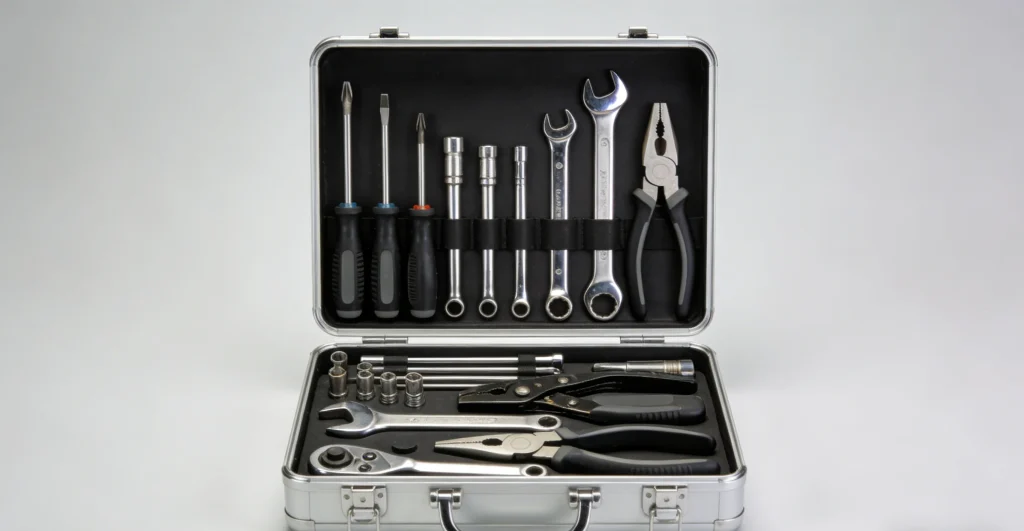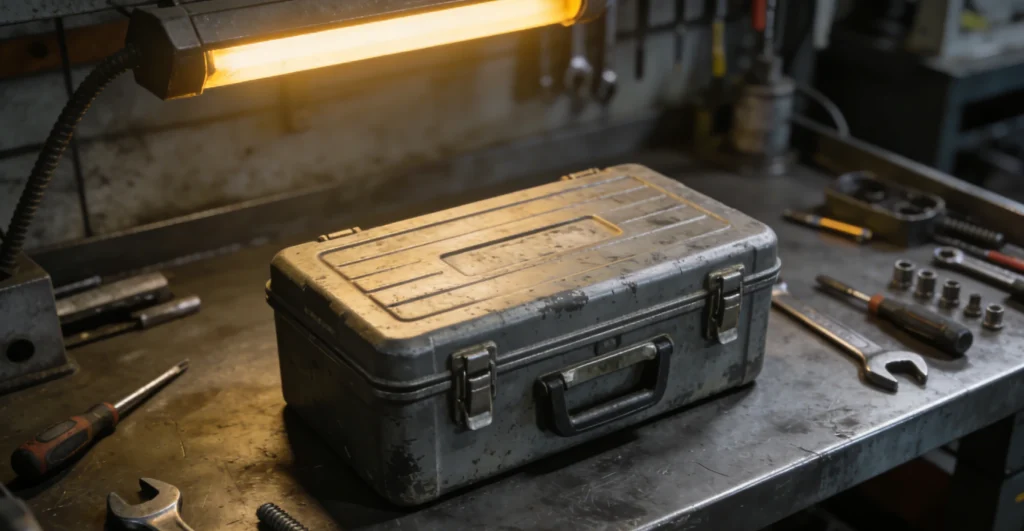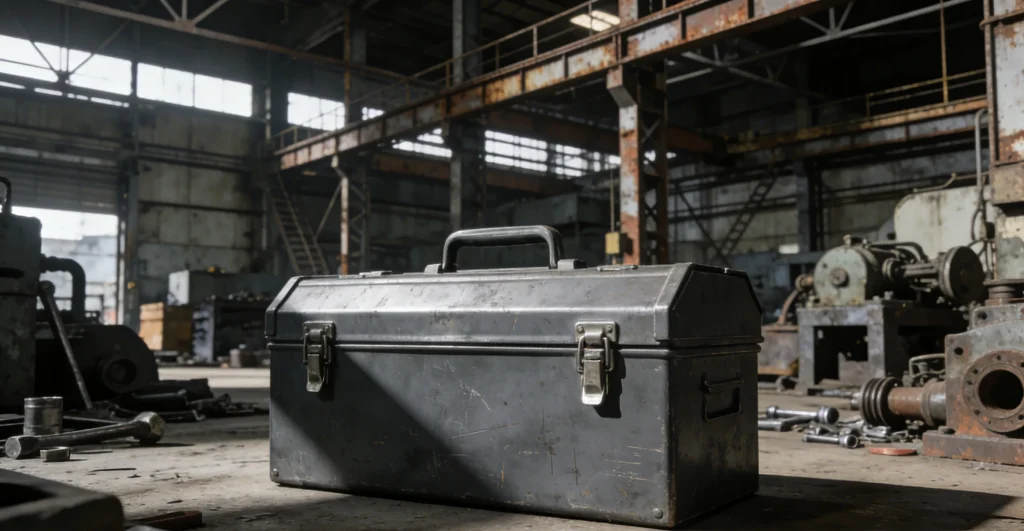
A lorry tool box is a storage device installed on vehicles, mainly used for storing repair tools, spare parts, safety supplies, and items that need to be carried during transportation. Since lorries often need to travel for long periods and face different road conditions, tool boxes not only need to have sufficient storage capacity but also require good load-bearing ability, corrosion resistance, and impact resistance. The materials used for lorry tool boxes directly affect the product’s weight, service life, and maintenance costs. Different materials have different characteristics. For example, steel has high strength and is suitable for storing heavy repair tools; aluminum alloy is lightweight and more suitable for situations where vehicle load reduction is required; stainless steel has excellent rust resistance and is suitable for areas with high humidity. Therefore, when customizing a lorry tool box, suitable materials need to be selected based on vehicle usage, installation location, and working environment.
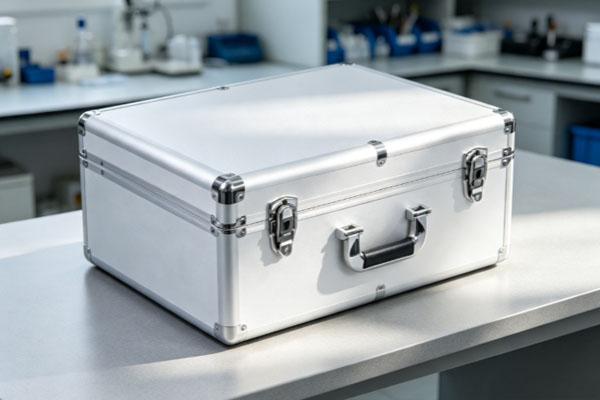
Many users only focus on the size and appearance of a tool box when making a selection but overlook the importance of materials. A lorry tool box moves with the vehicle every day and is affected by road vibration, rain exposure, sunlight, and tool impacts. If the material selection is inappropriate, problems such as deformation, rust, and cracking may occur, affecting normal use. Understanding the characteristics of commonly used lorry tool box materials can help users choose more suitable products according to actual needs, allowing the tool box to maintain stable performance during long-term transportation and maintenance work.
Introduction to Common Materials for Lorry Tool Boxes
Steel Tool Boxes
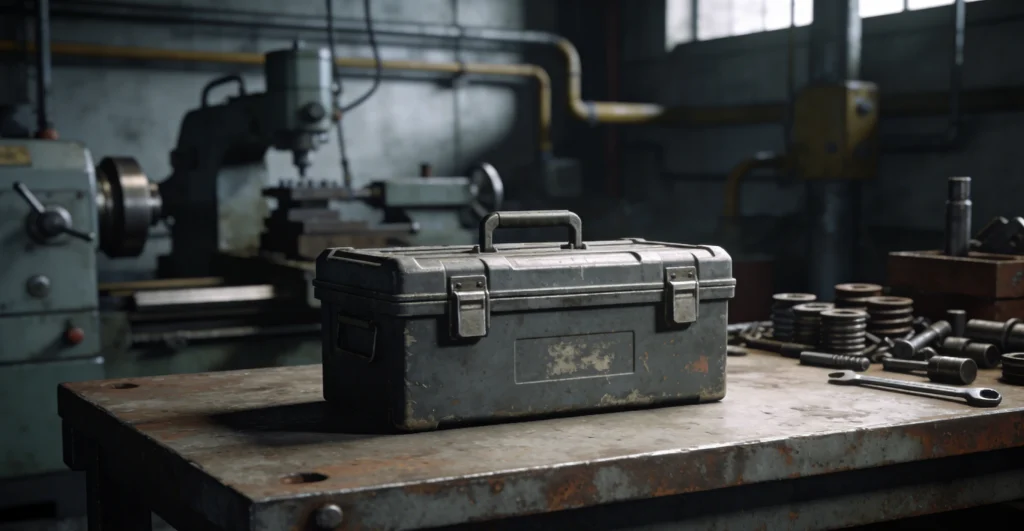
Steel is one of the most common materials used for lorry tool boxes. It has high strength and excellent load-bearing capacity. Many large transport vehicles, engineering vehicles, and maintenance vehicles use steel tool boxes because steel can withstand pressure from heavy tools and is less likely to experience serious deformation. Steel tool boxes are usually made from cold-rolled steel sheets or ordinary carbon steel and are manufactured through processes such as welding, bending, and surface coating. After rust prevention treatment, they can meet the usage requirements of most vehicles.
Steel tool boxes have the following characteristics:
Strong load-bearing capacity: Steel itself has high strength and is suitable for storing heavy equipment such as wrenches, jacks, and electric tools. For vehicles that frequently perform mechanical maintenance, steel tool boxes can provide more stable support.
Good impact resistance: During lorry operation, vehicles may travel on uneven roads, causing the tool box to experience vibration and impact. Steel structures can withstand a certain level of external impact and reduce the risk of damage.
Lower usage cost: Compared with some special materials, steel processing technology is mature and production costs are relatively lower, making it suitable for vehicles requiring large-scale use of tool boxes.
However, steel also has certain disadvantages. If it is exposed to humid environments for a long time, rust may occur once the surface protective layer is damaged. Therefore, steel tool boxes usually require proper painting, coating, or regular rust prevention maintenance.
Aluminum Alloy Tool Boxes
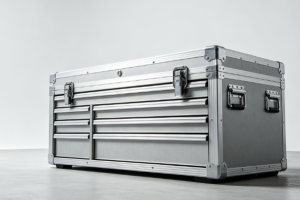
With the increasing demand for vehicle lightweighting, aluminum alloy has gradually become one of the commonly used materials for lorry tool boxes. Compared with steel, aluminum alloy is lighter while also providing good corrosion resistance, making it widely used in transport vehicles, recreational vehicles, and outdoor operation vehicles. Aluminum alloy tool boxes are usually manufactured through aluminum sheet bending, welding, or riveting processes. After surface treatment, they provide a better appearance.
The advantages of aluminum alloy tool boxes include:
Lower overall weight: Aluminum alloy has a lower density and can reduce the weight of the tool box itself while maintaining a certain level of strength. For long-distance transport vehicles, reducing additional weight helps improve vehicle efficiency.
Good corrosion resistance: The surface of aluminum alloy can form a protective layer that provides resistance against air and moisture, making it more stable than ordinary steel in humid environments.
Long-lasting appearance: Aluminum alloy surfaces usually have a better appearance and are less likely to develop obvious rust marks, making them suitable for vehicles with higher appearance requirements.
However, aluminum alloy has slightly lower hardness compared with steel. If subjected to strong impacts, dents may occur. Therefore, when storing extremely heavy tools or operating in harsh environments, additional structural reinforcement should be considered.
Material Selection Under Different Operating Environments
In addition to steel and aluminum alloy, stainless steel and high-strength plastics are also common materials used for lorry tool boxes. Different materials are suitable for different working environments, and users need to make choices based on actual requirements. Stainless steel tool boxes are mainly used in environments with higher corrosion resistance requirements, such as coastal transportation, food transport vehicles, and vehicles used outdoors for long periods. Stainless steel has excellent oxidation resistance and is less likely to experience the rust problems commonly found with ordinary steel.
Characteristics of stainless steel tool boxes include:
Strong rust resistance: Suitable for humid, rainy, or high-moisture environments, reducing later maintenance requirements.
Easy surface cleaning: Stainless steel surfaces are relatively smooth, making dust and stains easier to remove. They are suitable for applications with higher cleanliness requirements.
Stable structure: During long-term use, stainless steel can maintain good appearance and structural condition.
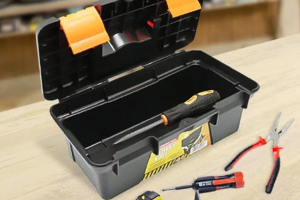
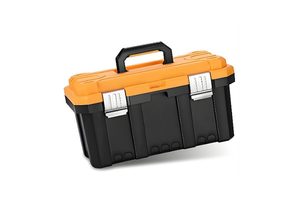
High-strength plastic tool boxes focus more on lightweight design and portability. Although plastics generally have lower load-bearing capacity than metal materials, some engineering plastics have good impact resistance and are suitable for storing small repair tools.
When selecting materials, the following factors should be considered:
- Heavy-duty repair tools are more suitable for metal materials;
- Frequently moved small tools are suitable for lightweight materials;
- Humid environments are more suitable for materials with better corrosion resistance.
Reasonable material selection can make the tool box better match actual working requirements.
Frequently Asked Questions
Q: What materials are commonly used to make lorry tool boxes?
A: Common materials for lorry tool boxes include aluminum alloy, stainless steel, carbon steel, and plastic composite materials. Different materials have their own advantages in terms of weight, corrosion resistance, and load-bearing capacity.
Q: What are the advantages of aluminum alloy tool boxes?
A: Aluminum alloy tool boxes are lightweight and have good corrosion resistance. They are suitable for long-term installation on the exterior of lorries and can help reduce vehicle load.
Q: Are stainless steel lorry tool boxes more durable?
A: Stainless steel tool boxes have high strength and impact resistance. They are wear-resistant and resistant to rain corrosion, making them suitable for vehicles operating in more complex transportation environments.
Q: How should suitable materials for lorry tool boxes be selected?
A: Material selection should consider the operating environment, weight of stored items, installation location, and budget to meet durability and usage requirements.
Common materials for lorry tool boxes mainly include steel, aluminum alloy, stainless steel, and high-strength plastics. Different materials vary in weight, strength, corrosion resistance, and usage costs. Steel tool boxes are suitable for heavy-duty maintenance applications and provide strong load-bearing capacity. Aluminum alloy tool boxes are suitable for vehicles requiring lightweight design and corrosion resistance. Stainless steel tool boxes are suitable for humid environments, while plastic tool boxes are more suitable for storing lightweight tools.
When selecting a lorry tool box, users should not only focus on material price but also consider the vehicle operating environment, tool weight, and installation location. Suitable materials can improve tool box stability, reduce maintenance frequency, and protect internal tools safely. By understanding the characteristics of different materials, users can select a lorry tool box that better matches their vehicle requirements, making tool storage more convenient and improving the efficiency of daily vehicle maintenance work.