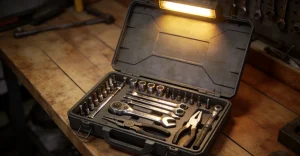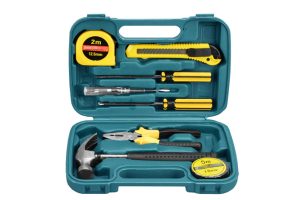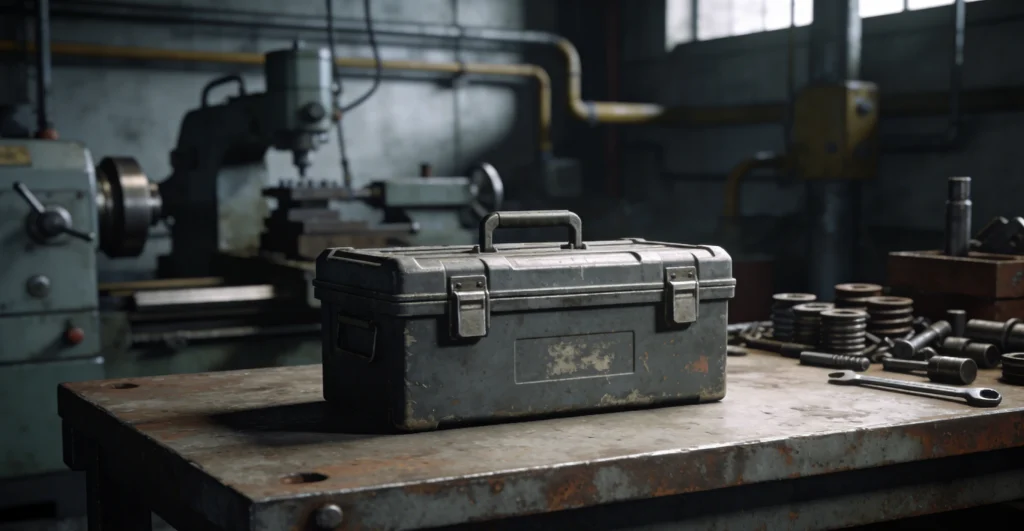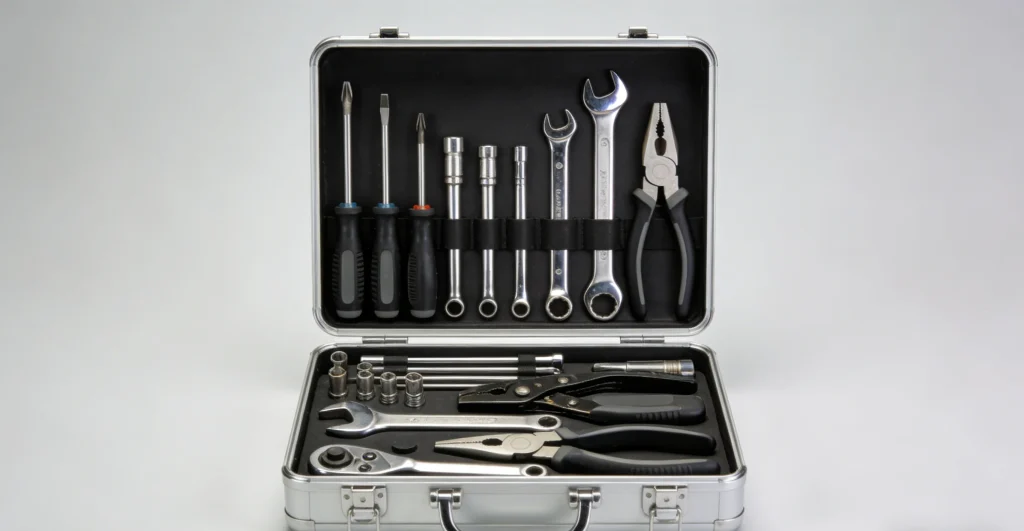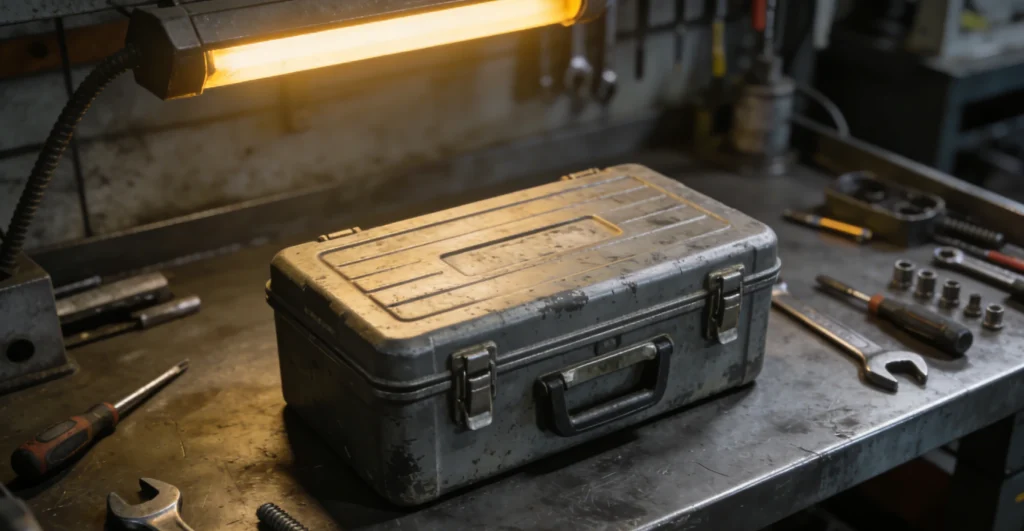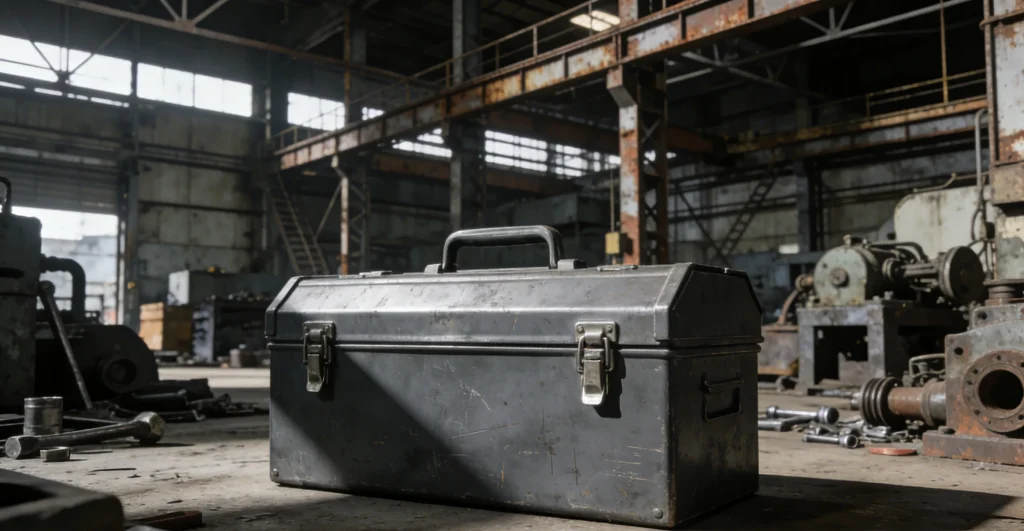
A lorry tool box is a commonly used auxiliary device during vehicle transportation and maintenance. It is mainly used for storing repair tools, safety supplies, spare parts, and daily work equipment. Since tool boxes are usually installed outside the vehicle, such as on the side of the frame, under the chassis, or near the cargo bed, they are exposed to road conditions, weather changes, vehicle vibration, and usage habits for a long time. As a result, the condition of the tool box gradually changes over time. When the tool box can still be used but the appearance has already become worn; or when the tool box appears to have no obvious problems but the opening mechanism and fixing points have started to become unstable, many users may wonder: how many years should a lorry tool box be used before replacement? Due to differences in materials, operating environments, and maintenance methods, the actual service life of a tool box can vary.
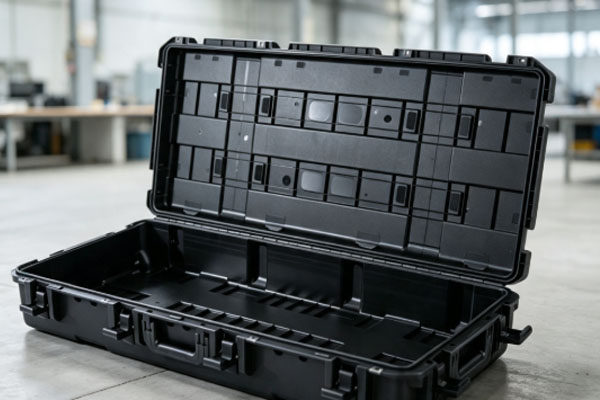
Generally, a high-quality lorry tool box can be used for a long period under normal transportation conditions and proper maintenance. However, if the vehicle operates outdoors for a long time, frequently travels on muddy roads, experiences rain and snow, or works in high-temperature environments, the wear and damage of the tool box will increase significantly. Some tool boxes may remain in good condition after several years of use, while others may develop problems earlier due to corrosion, impact damage, or overloading. Determining whether a lorry tool box needs replacement should not depend only on how many years it has been used. Instead, it should be evaluated based on the box structure, connecting components, protection performance, and actual usage conditions. If the tool box only has minor scratches, peeling paint, or small areas of rust, it can continue to be used after repair and maintenance. However, if serious corrosion, deformation, or unstable fixing occurs, replacing it with a new tool box should be considered. Properly determining replacement timing can prevent sudden damage during transportation and ensure safer storage of maintenance tools.
Methods for Determining Whether a Lorry Tool Box Needs Replacement
The service life of a lorry tool box is usually related to material quality, manufacturing processes, and daily maintenance conditions. Tool boxes made from different materials have different levels of durability. For example, ordinary steel tool boxes have high strength, but they may rust when exposed to moisture for a long time. Stainless steel and aluminum alloy tool boxes have better corrosion resistance and can maintain better performance in certain environments. However, service years can only be used as a reference and cannot directly determine whether the tool box needs replacement. Two tool boxes that have both been used for five years may have completely different conditions. One may remain in good condition because it has been regularly cleaned and maintained, while the other may already have structural damage due to long-term outdoor exposure. Therefore, during actual use, more attention should be paid to the current condition of the tool box. For example, lorries that frequently transport construction materials and engineering equipment may experience more dust, impacts, and pressure from heavy tools. Vehicles mainly used for urban transportation usually operate in more stable environments, so their tool boxes may experience less damage. Therefore, when evaluating the lifespan of a tool box, the actual operating conditions of the vehicle should be considered.
When checking the condition of a tool box, the following points can be observed:
Whether the box body has serious corrosion: If there is only slight surface oxidation, rust removal and protective treatment can be performed. However, if corrosion has penetrated deep into the metal, causing the box body to become thinner or develop holes, its load-bearing capacity will be affected.
Whether the structure has become deformed: Long-term storage of heavy tools or impacts during vehicle operation may cause deformation of the bottom or corners of the tool box. If this affects door closing or installation stability, it needs to be addressed promptly.
Whether connecting components are damaged: Hinges, locks, brackets, and fixing bolts may become loose or break after long-term use. If repair costs are high, replacing the tool box with a new one may be a better choice. By observing these details, users can more accurately determine whether the tool box can continue to be used instead of simply judging based on years of service.
Main Factors Affecting the Service Life of Lorry Tool Boxes
A lorry tool box works with the vehicle every day, and different operating environments directly affect its lifespan. Many users believe that as long as the tool box is made from thick materials and has a strong structure, problems will not occur. However, even a high-quality tool box may age and become damaged earlier if it lacks proper maintenance. For example, when a vehicle is parked outdoors for a long time, the tool box is exposed to sunlight and rain every day, causing the surface protective coating to gradually deteriorate. If the vehicle frequently travels through mountainous areas, construction sites, or muddy roads, the bottom of the tool box may also be impacted by sand and debris, accelerating wear.
Factors affecting tool box lifespan include:
Weather conditions: Rain, humidity, high temperatures, and low temperatures can all affect the condition of the tool box. Long-term exposure to rain may cause metal corrosion, while high-temperature environments may affect sealing components and surface coatings.
Tool weight: Storing tools that exceed the designed load capacity for a long time increases pressure on the box body, making the bottom plate, brackets, and connection points more likely to become damaged.
Vehicle vibration: Lorries generate continuous vibration while driving. If the tool box is not firmly installed, problems such as loosening and cracks may occur more easily.
Daily maintenance: Regularly cleaning dust, checking bolts, and treating rust can effectively extend the service life of the tool box. Good usage habits and regular maintenance can significantly extend the service time of a lorry tool box and help maintain stable performance.
Frequently Asked Questions
What situations require a tool box to be replaced?
After discovering problems with a tool box, many users choose simple repairs and hope to continue using it. However, not all situations are suitable for repair. If the tool box affects normal operation or creates safety risks, it should be replaced in time.For example, when the box body has large-area corrosion, repainting cannot restore its original strength. If cracks appear on the bottom, storing heavy tools may cause further damage. If the fixing brackets are seriously deformed, they may affect driving safety.
The following situations are recommended for replacement:
- Large-area corrosion of the box body that cannot be restored through simple repairs;
- Cracks on the bottom that prevent the box from supporting tool weight;
- Severely damaged fixing brackets that cannot ensure installation stability;
- The door cannot close properly for a long time, affecting dustproof and waterproof performance.
If these problems continue to be ignored, they may cause tools to fall out, the box body to detach, or maintenance tools to become damaged. Therefore, when serious issues are discovered, simple repairs alone are not recommended.
How often is it appropriate to replace a lorry tool box?
There is no fixed replacement cycle for lorry tool boxes. Service time is only one reference factor, while the actual condition of the tool box is more important. If the tool box is made from good materials, installed securely, and maintained regularly, it may remain functional even after many years of use. If the vehicle operates in harsh environments for long periods, the tool box should be inspected earlier, and repair or replacement should be decided based on the level of damage.
There is no fixed answer to how many years a lorry tool box needs to be replaced. The actual lifespan of a tool box is affected by material type, working environment, tool weight, and maintenance conditions. A high-quality tool box can maintain stable performance for a long time under proper use and regular maintenance. When deciding whether replacement is needed, users should focus on checking the box structure, rust protection condition, fixing components, and overall functionality. If there are only minor surface problems, the tool box can continue to be used through repairs. However, if the damage affects load-bearing capacity, installation stability, or protection performance, replacement should be carried out promptly.
A lorry tool box not only provides storage for tools but also affects the convenience and safety of vehicle maintenance work. A severely damaged tool box can make tool management more difficult and may increase risks during transportation. Therefore, during daily use, users should regularly inspect the condition of the tool box, clean dust and moisture in time, and handle any abnormal conditions promptly. Through proper maintenance and reasonable evaluation, a lorry tool box can maintain better performance and provide reliable support for vehicle maintenance and transportation operations.