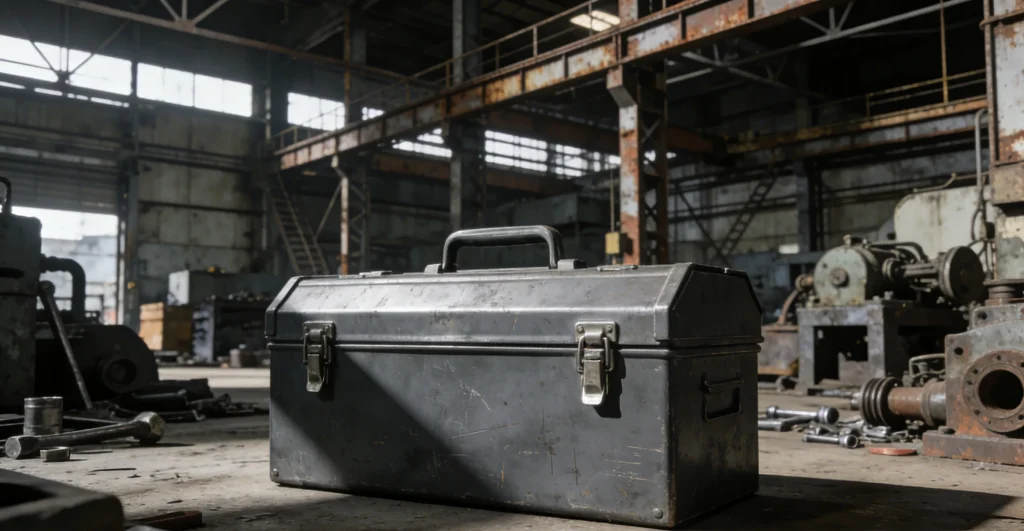
An instrument case is responsible for storage, carrying, transportation, and long-term protection. Its real value is determined not by appearance alone, but by whether it can provide stable and reliable protection during actual use. Guitars, violins, saxophones, and other instruments have different structures and materials, creating different requirements for shock absorption, pressure resistance, moisture protection, fixation, and interior cushioning. Evaluating the protective performance of an instrument case requires careful consideration of its outer shell, internal structure, sealing system, hardware, and intended application. For musicians who frequently travel, perform, or ship their instruments, choosing a case with reliable protective performance can significantly reduce the risk of damage caused by impacts, pressure, vibration, and moisture.
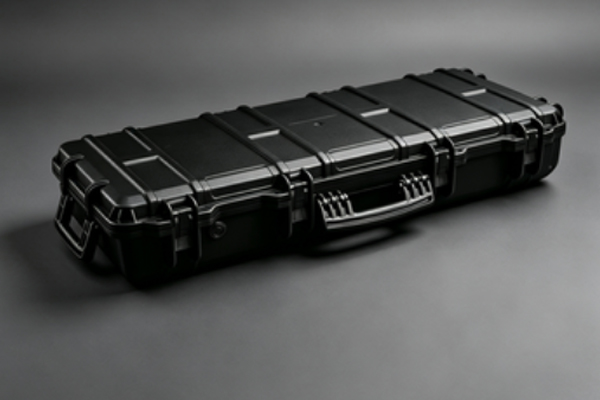
Examine the Outer Shell Material and Overall Structural Strength
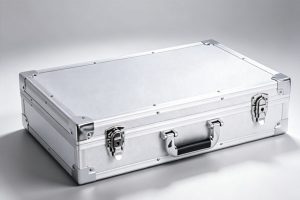
The outer shell is the primary protective layer against external impacts, and its material strength directly affects the stability of the case during transportation and everyday carrying. ABS plastic, polycarbonate, fiberglass, and high-strength composite materials are commonly used for professional instrument cases. Each material has different characteristics in terms of weight, impact resistance, and pressure resistance. When evaluating shell quality, check whether the case features reinforced ribs, a strong frame, and secure connection points. Corners are particularly vulnerable to impacts, so reinforced or thickened corner designs can help distribute external forces more effectively. For instruments that require long-distance transportation, a hard-shell case with strong structural integrity and excellent pressure resistance is generally preferable. For short-distance carrying, weight and portability can also be considered. An outer shell without obvious looseness, deformation, or weak connection points is generally better suited for long-term protective use.
Check the Interior Foam and Cushioning Structure
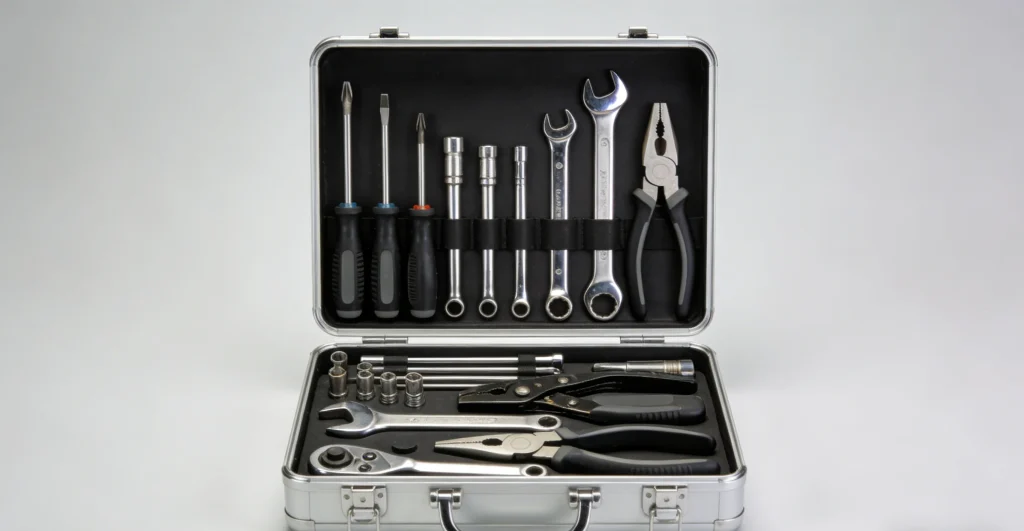
The internal cushioning system determines how effectively an instrument is protected when exposed to vibration or impact. Even when the outer shell is extremely strong, an instrument may still move inside the case and suffer secondary impacts if the internal support structure is poorly designed. When inspecting an instrument case, pay close attention to the thickness, density, and fitting quality of the foam, EVA padding, and soft interior lining.
Key details for evaluating internal protection include:
- Cushioning thickness: An appropriate thickness absorbs part of the impact energy and reduces vibration transmission.
- Foam density: Extremely low-density foam may collapse easily, while stable high-density materials generally provide stronger long-term support.
- Interior fitting: The instrument should not move excessively after being placed inside the case, as a close-fitting compartment reduces internal movement.
- Support in critical areas: The neck, bridge, body edges, and delicate components should receive sufficient support.
A well-designed interior should combine softness with adequate structural support, keeping the instrument stable while preventing hard surfaces from directly contacting the instrument. For cases intended for long-term use, it is also important to consider whether the foam can maintain its shape, since excessive compression and deformation can gradually reduce its fixing and cushioning performance.
Evaluate Moisture, Dust, and Sealing Protection
Humidity can have a noticeable impact on wooden instruments. Long-term exposure to damp air may cause wood to absorb moisture, expand, deform, or experience problems with bonded components. The sealing performance of an instrument case helps reduce the entry of moisture and dust, making it an important factor when evaluating overall protection. Check whether the case uses a continuous sealing strip between the lid and body, whether the locks create a secure closure, and whether there are visible gaps around the joints. High-quality waterproof instrument cases commonly combine water-resistant shell materials, sealing gaskets, and reliable locking systems to create multiple layers of protection.
It is important to understand that waterproof performance does not mean that a case can completely eliminate humidity fluctuations. Valuable instruments stored for long periods may still require suitable humidity-control accessories and should not be left in extremely damp environments. A case with an effective sealing structure can reduce exposure to water vapor, dust, and outdoor conditions, helping create a more stable storage environment for the instrument.
Inspect Locks, Hinges, Handles, and Other Key Components
Although hardware components are relatively small, they perform essential functions such as securing the lid, connecting the case body, and supporting transportation. Loose locks may cause the case to open accidentally during shipping, while weak hinges can reduce long-term durability. Handles with insufficient load-bearing capacity may also create additional risks when carrying heavier instruments. When purchasing a case, repeatedly open and close the lid to check whether the locks operate smoothly and remain securely fastened. Inspect the hinge connections for excessive movement or looseness as well.
Professional instrument cases often use durable metal hardware and reinforced structures around high-stress areas. For cases used frequently during transportation, it is also worth checking whether the number and positioning of the locks are appropriate. Multiple locking points can help distribute pressure more evenly and keep the lid securely closed. Reliable hardware allows the shell, sealing system, and internal cushioning to work together as a complete protective system.
Evaluate Overall Protection According to the Intended Environment
The protective performance of an instrument case cannot be determined through a single specification. The intended environment has a direct influence on the type of case required. Everyday lessons and short-distance carrying usually prioritize low weight, portability, and basic cushioning. Stage performances and frequent travel require more durable shells, stable internal fixing systems, and reliable locks. Long-distance shipping and air transportation place greater emphasis on pressure resistance, shock absorption, sealing, and reinforced construction.
The instrument itself should also be considered when selecting a case. High-value wooden instruments generally require stable internal support and effective humidity management, while delicate wind instruments may need specialized compartments to prevent keys and connection points from being compressed. By evaluating shell strength, cushioning performance, sealing design, hardware quality, and the actual application environment together, buyers can select an instrument case with more reliable protective performance. A well-designed case not only reduces transportation damage but also minimizes everyday wear and maintenance requirements, providing dependable long-term protection for valuable musical instruments.