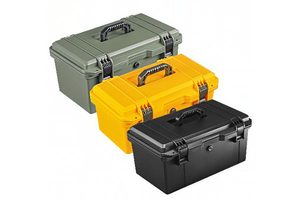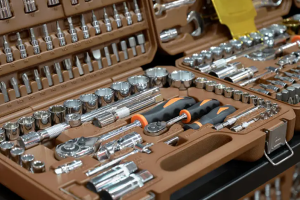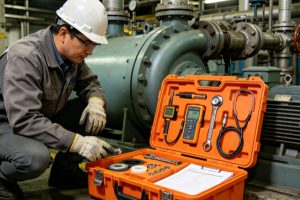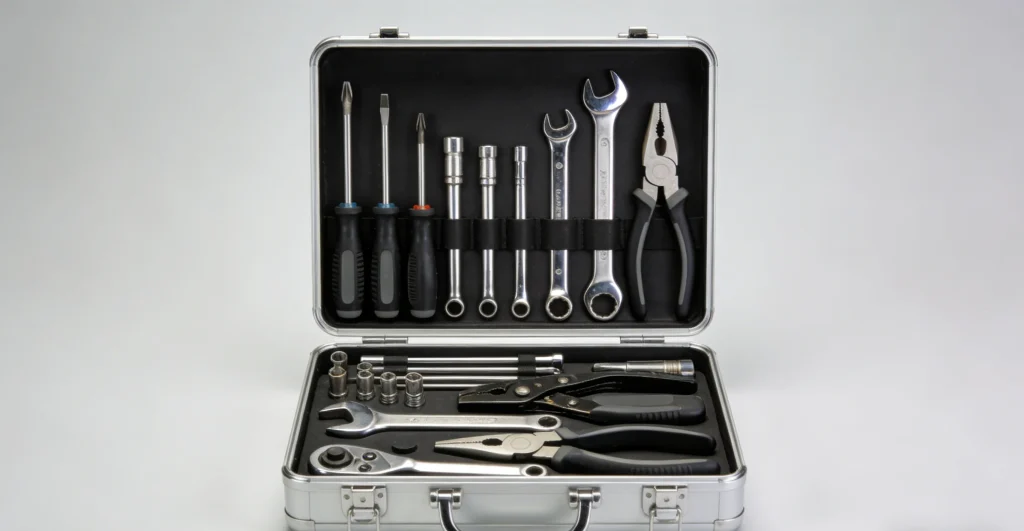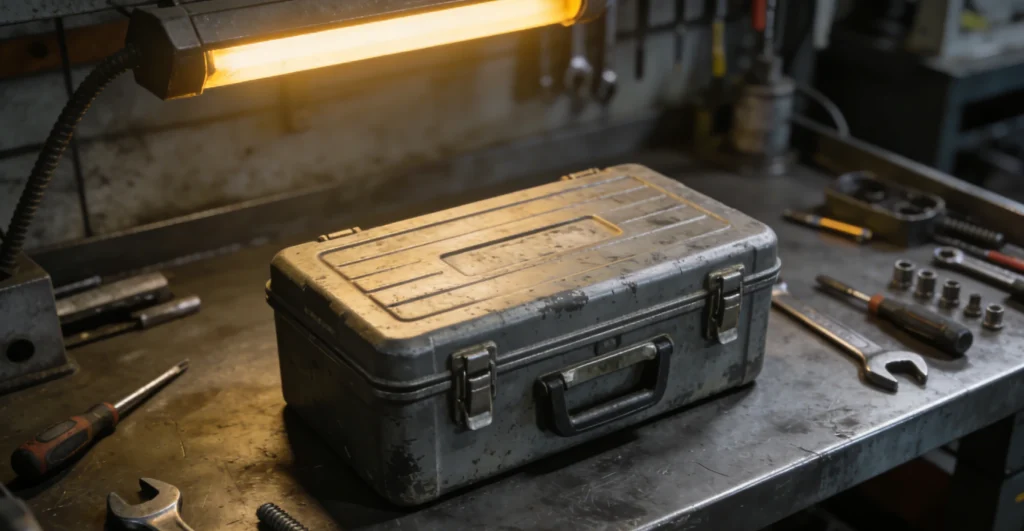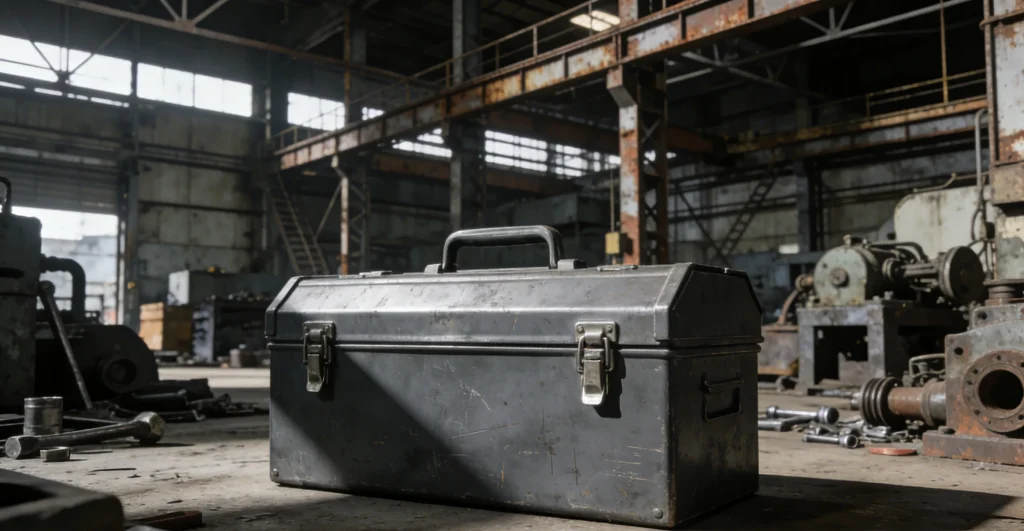
In maintenance operations, industrial production, and daily tool management scenarios, the number of tools continues to grow, and the requirements for storage systems are also increasing. Traditional toolboxes mainly serve basic storage functions, but they have limitations in space planning, classification logic, and later-stage expansion. Modular toolboxes upgrade traditional storage methods through detachable structures, reconfigurable partitions, and systematic design, making tool management more organized and efficient. For maintenance personnel, factory workshops, and professional working environments that use a wide variety of tools over the long term, this type of toolbox can significantly improve storage experience and enhance overall work efficiency and space utilization.
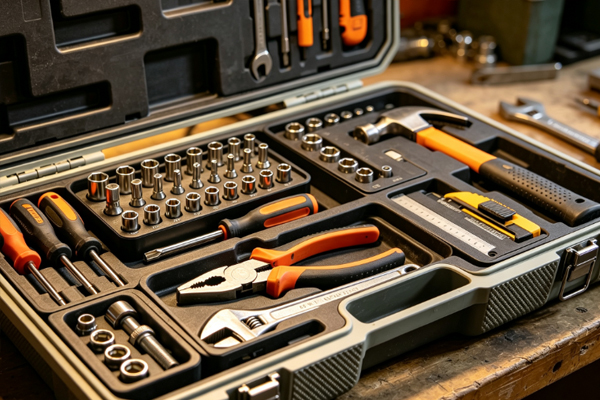
Modular Toolboxes Improve Tool Classification and Management
As the variety of tools continues to increase, clear classification becomes the key to improving efficiency. Modular toolboxes optimize structure to allow different tools to be stored more reasonably.
Independent Compartments Reduce Tool Clutter
Traditional toolboxes usually feature a single-space structure, where tools are easily stacked and mixed.
- Clearer categorized storage: Modular toolboxes can divide areas based on tool types, separating hand tools, power tools, and accessories for better management.
- Faster access: Fixed positions help users form memory paths, reducing search time.
- Optimized space utilization: Partitioned layouts prevent disorganized stacking, making better use of limited space.
Structured classification makes daily management more standardized. With clear divisions and labeling, search time is further reduced, improving overall work efficiency.
Easier Management of Small Accessories
Screws, drill bits, washers, and other small parts are easy to scatter or mix together.
- More stable compartmentalized storage: Can be paired with multi-size storage boxes for independent placement of small items.
- Reduced mixing risk: Different specifications are stored separately for easier identification during use.
- Improved organization efficiency: Items can be quickly returned after use, maintaining overall tidiness.
Refined design improves the shortcomings of traditional toolboxes in small-part management.
Modular Toolboxes Enhance Space Expansion Capability
The number of tools increases with work demands, and fixed-capacity toolboxes often cannot meet long-term needs.
Flexible Combination for Multiple Scenarios
The modular structure allows adjustments based on actual requirements.
- Expanded storage capacity: Overall capacity can be increased by adding modules.
- Freely adjustable layout: Internal structure can be reorganized based on usage habits.
- Adaptable to different environments: Suitable for workshops, construction sites, and home use.
This flexibility gives the toolbox stronger adaptability.
Reduced Long-Term Replacement Costs
Traditional toolboxes have fixed capacity, often requiring replacement as tools increase.
- Longer service life: Modular structure supports continuous expansion without frequent replacement.
- Higher investment efficiency: One-time configuration can meet long-term needs.
- Supports dynamic adjustment: Storage methods can be optimized as tools change.
The expandable design increases overall value.
Modular Toolboxes Optimize Mobility and User Experience
In real-world operations, tools often need to be moved between different locations, making portability especially important.
Combined Structure Improves Mobility Efficiency
Modular toolboxes can be flexibly adjusted according to work scenarios. Frequently used tool modules can be removed independently, making them suitable for short-distance repair tasks. Different modules can be carried depending on the work area, reducing repeated transportation and improving operational convenience. At the same time, centralized tool management keeps the workspace cleaner, making movement more flexible and improving overall efficiency.
Structural Design Better Meets Professional Needs
Modular toolboxes place greater emphasis on stability and practicality in their structure.
- Stronger load capacity: Can support the storage of large quantities of tools.
- Smoother operation experience: Drawer and latch structures optimize access processes.
- More reliable protection: Solid structure reduces collision risks during transport.
Professional design improves long-term reliability.
Long-Term Management Upgrade Brought by Modular Toolboxes
Modular toolboxes not only change storage methods but also promote a more systematic approach to tool management.
Establishing a Standardized Management System
The modular structure helps form a unified management logic.
- Fixed storage rules: Each tool category has a defined position for easy inspection and maintenance.
- Reduced organization cost: Clear structure minimizes repetitive sorting work.
- Improved collaboration efficiency: Easier to maintain consistent management among multiple users.
A standardized system makes tool usage more stable.
Enhanced Long-Term Value
Through expandable structure and systematic classification, modular toolboxes adapt to different stages of needs. Compared with traditional toolboxes, they better handle changes in tool quantity and working environments while reducing space waste and improving overall efficiency. Whether for professional maintenance workers, industrial workshops, or home users, configurations can be flexibly adjusted to continuously optimize the tool management system.
Modular toolboxes achieve an upgrade over traditional toolboxes through improved classification, structural combination, space expansion, and system design. They effectively solve problems such as tool clutter and insufficient capacity while providing a more efficient management solution for modern working environments. SIPHIA BOX focuses on professional tool storage systems, using modular design and flexible configuration to help users build a cleaner, more efficient, and continuously optimizable tool management system.