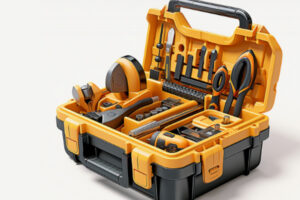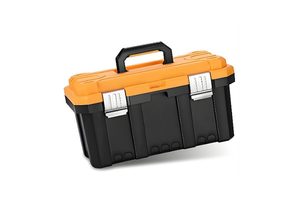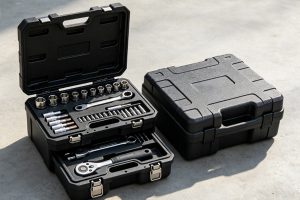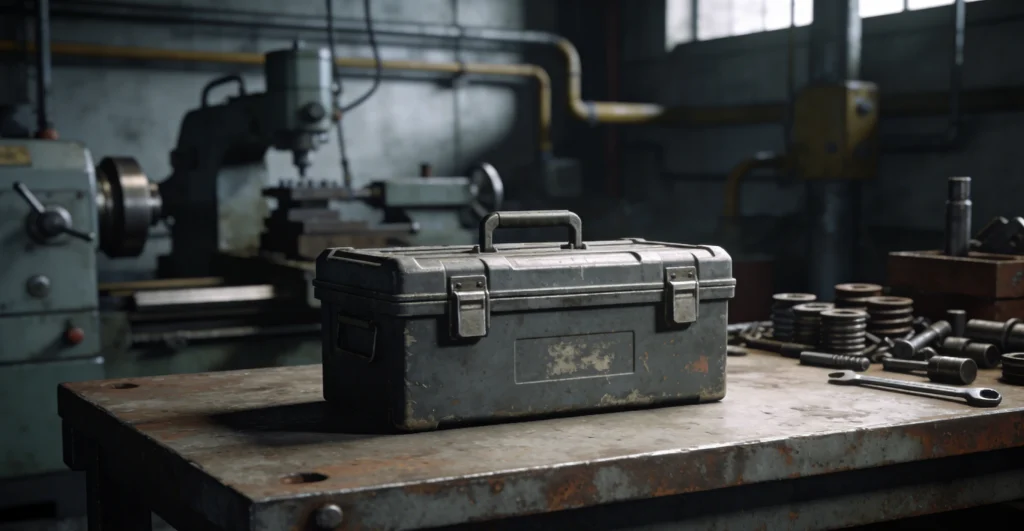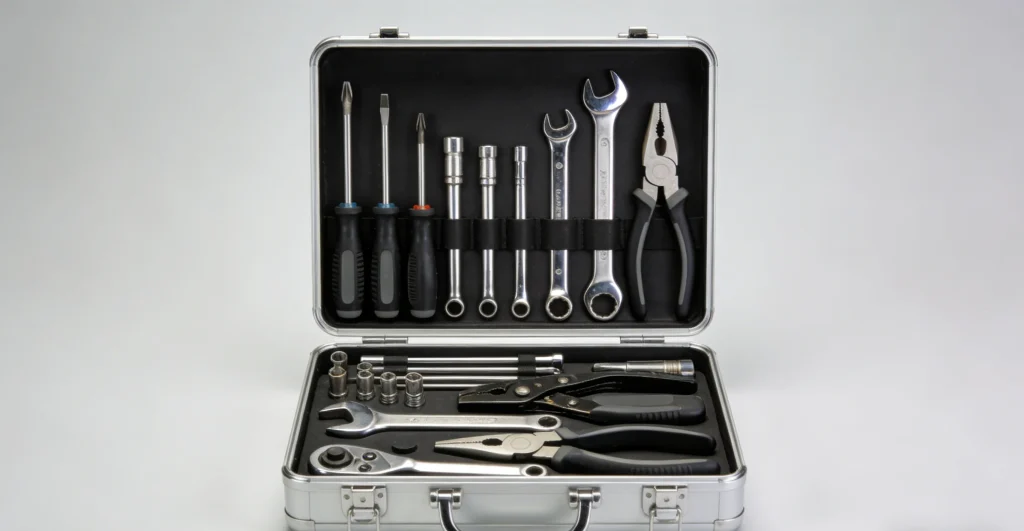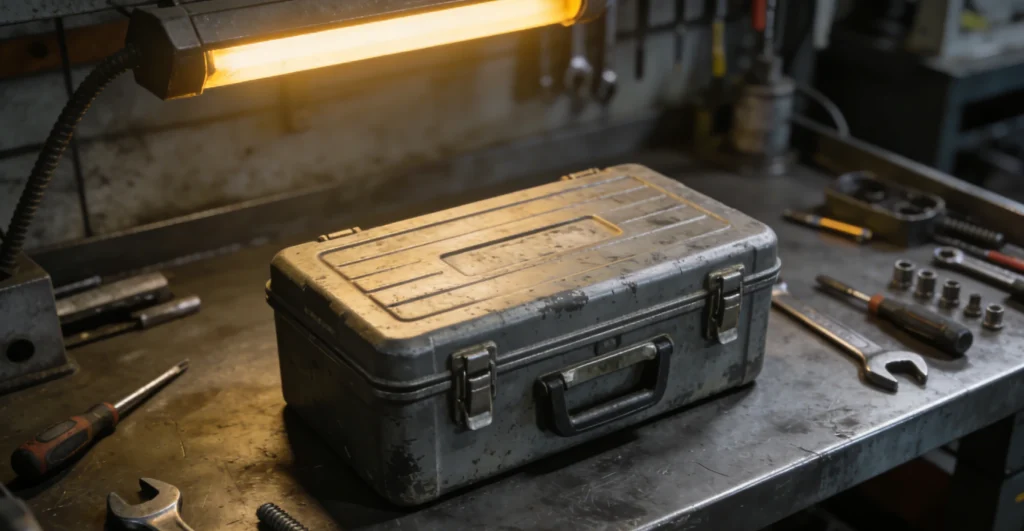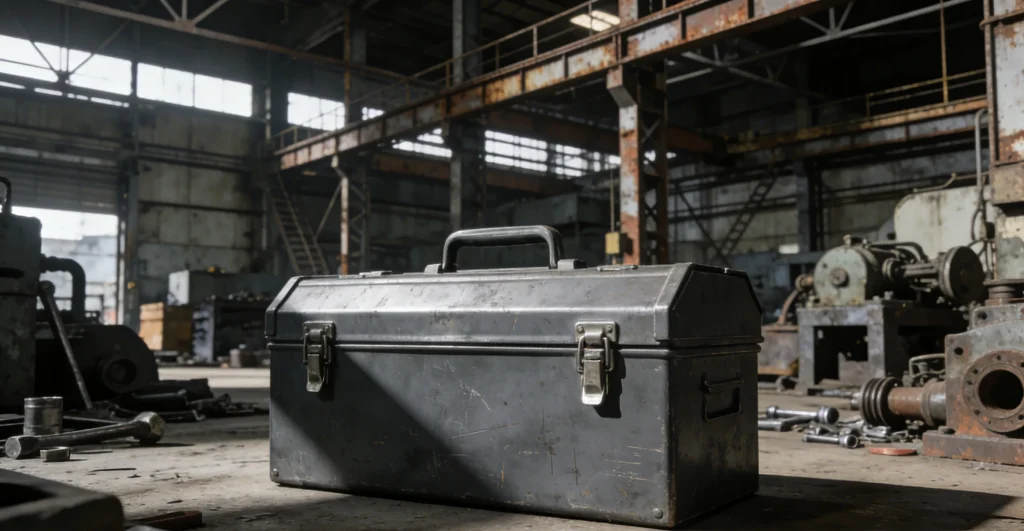
Large tool boxes are commonly used for tool storage in industrial production, equipment maintenance, automotive repair, and other working environments. Different workplaces have different requirements for tool boxes. Some users focus more on lightweight mobility, while others care more about load capacity and long-term durability. The most common materials for large tool boxes on the market include aluminum, steel, and ABS. Each material has different advantages in terms of weight, protection, durability, and application scenarios. Choosing the right material can improve tool management efficiency and make daily maintenance and production work smoother.
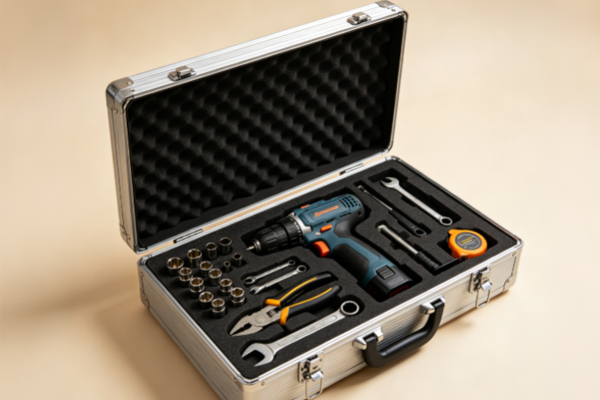
Aluminum Large Tool Boxes: Lightweight and Protective
Aluminum large tool boxes are widely used in engineering maintenance, outdoor operations, and professional equipment servicing. Their biggest advantage is that they are relatively lightweight while maintaining good structural strength. For users who need to carry tools frequently, aluminum material can reduce carrying pressure and make it easier to work in different locations.
- Lightweight and easy to move.
- Strong structure with good tool protection.
- Professional appearance suitable for customization.
- Less likely to develop rust.
Aluminum tool boxes are suitable for workplaces that require frequent movement, such as repair services, engineering installation, and field inspections. Besides the material itself, factors such as box thickness, reinforced corners, and internal protection design also affect the overall performance. For users storing precision tools or valuable equipment, aluminum large tool boxes are a practical choice.
Steel Large Tool Boxes: Reliable Storage for Heavy Tools
Steel large tool boxes are widely used in industrial manufacturing. Many factories, workshops, and mechanical processing companies choose steel tool boxes because steel provides excellent load-bearing performance and can support long-term storage of heavy tools and equipment.
- Strong load capacity.
- More stable structure.
- Suitable for fixed work areas.
In the hardware industry and industrial production environments, there are usually many types of tools, and some tools can be quite heavy. Steel tool boxes provide a stable storage space and help reduce deformation during long-term use. However, steel tool boxes are heavier, making them more suitable for fixed locations rather than frequent transportation.
ABS Large Tool Boxes: Lightweight and Cost-Effective
ABS large tool boxes have gained popularity in recent years because they are lightweight, flexible in design, and suitable for everyday tool storage needs. For repair teams, service technicians, and companies purchasing tool boxes in bulk, ABS tool boxes offer a practical solution.
- Lightweight and easier to carry.
- Good impact resistance.
- More options in colors and designs.
- Easier to control purchasing costs.
ABS large tool boxes are suitable for daily repair work, equipment maintenance, and small engineering projects. They perform well in portability while meeting the needs of normal working environments. For companies purchasing large quantities of tool boxes, ABS material offers a good balance between functionality and cost.
How to Choose the Right Material for a Large Tool Box?
Each material has its own advantages, and there is no single material that fits every workplace. Tool types, working environments, and usage methods all affect the final choice. A suitable tool box should meet storage needs while making daily operations more convenient.
- For frequent outdoor work, aluminum is a good option.It is suitable for repair technicians who need to carry many tools between different locations.
- For heavier tools, steel is more suitable.It works well in factories, mechanical workshops, and environments requiring strong support.
- For daily maintenance tasks, ABS offers flexibility.It is suitable for lightweight tools and general repair applications.
Besides material selection, the internal layout of a large tool box is also important. A well-designed storage structure allows different tools to be organized properly, reducing search time and improving work efficiency.
What Else Should Businesses Consider When Buying Large Tool Boxes?
For industrial companies, a tool box is not only a storage product but also an important part of daily tool management. Especially in production workshops and maintenance departments, tools are used frequently and need proper organization. A well-designed tool box can help companies manage tools more efficiently.
- Whether the size meets tool storage needs.
- Whether customization services are available.
- Whether the box structure is strong enough.
- Whether the manufacturing quality is reliable.
Many businesses focus on whether a tool box can provide long-term performance. Besides the material, manufacturing processes, finishing details, and customization capabilities also influence the actual value of the product.
Large tool boxes are mainly made from three common materials: aluminum, steel, and ABS. Aluminum tool boxes are suitable for mobile operations, steel tool boxes are better for heavy industrial environments, and ABS tool boxes provide a lightweight and economical option. When choosing a tool box, businesses should consider tool weight, working conditions, and usage methods to find a product that matches their needs. A high-quality large tool box not only protects tools but also helps hardware and manufacturing companies improve tool management efficiency.