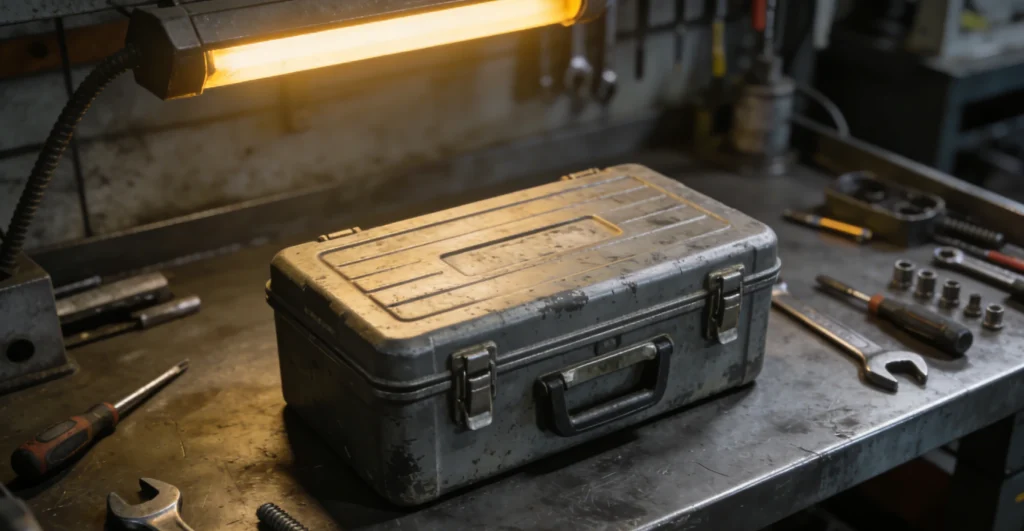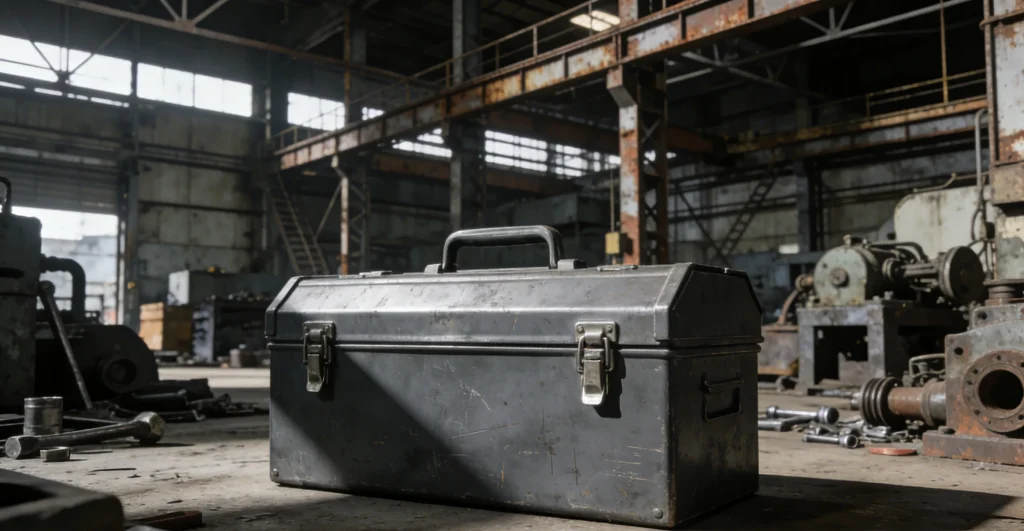
As the variety of tools continues to grow and work environments become increasingly complex, a modular tool box is no longer just a simple storage container—it is an essential piece of equipment that affects work efficiency, organization, and user experience. Whether for automotive repair, industrial maintenance, or home DIY projects, choosing the right high-quality modular tool box can make tool classification clearer, access more convenient, and future expansion easier. To truly buy a practical product, you should not only look at the appearance, but also evaluate the structure, material, load-bearing capacity, and usage scenarios from multiple angles in order to find the tool storage solution that really suits you.
Check Whether the Modular Tool Box Structure Is Truly Practical
The structural design determines whether a modular tool box can truly perform well, especially in environments that require frequent movement and high-intensity use.
Whether the Module Connection Is Stable
The most basic requirement for a high-quality modular tool box is whether the modules remain stable after being combined.
- Whether the stacked units stay firm without wobbling is directly related to safety during transport.
- Whether the latch, rail, or locking design operates smoothly affects daily opening, closing, and combination experience.
- The more stable the connection structure, the more suitable it is for frequent movement and long-term use.
If there is obvious looseness between modules, even the best storage design will affect overall efficiency.
Whether the Internal Layout Is Reasonable
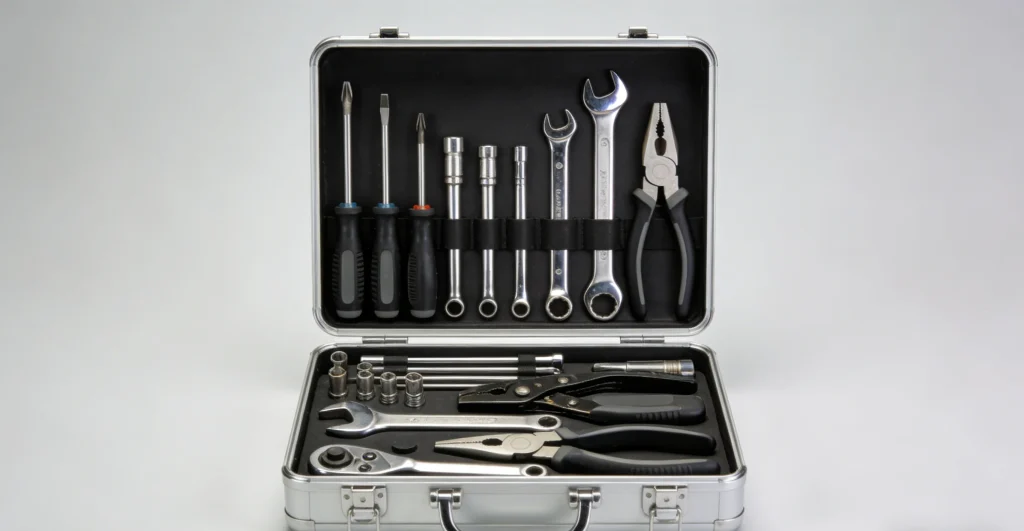
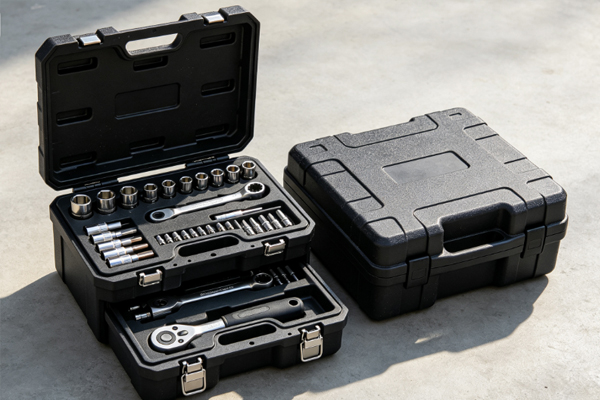
Whether the compartment design of a modular tool box is reasonable directly affects storage efficiency. Frequently used tools should be placed in easy-to-reach positions, small parts, bits, and screws are best stored in separate compartments, and power tools and hand tools should also be kept apart as much as possible. This not only reduces search time, but also helps prevent mixing, loss, and damage, making tool management clearer and more efficient.
Look at the Material and Load-Bearing Performance
The material and load-bearing capacity determine whether a modular tool box can withstand long-term use, and they are also important standards for judging product quality.
The Box Material Determines Durability
High-quality modular tool boxes usually pay more attention to material selection.
- Premium materials improve impact resistance and reduce damage caused by bumps.
- They are less likely to deform during long-term use, making them more suitable for frequent transport scenarios.
- Products with better surface treatment are also easier to clean and maintain.
For users who often work on construction sites, in workshops, or in garages, durability is often more important than appearance.
Load Capacity and Wheels Affect the User Experience
Once a modular tool box is filled with tools, the real test is its overall load-bearing capacity and mobility performance.
- Whether the box remains stable when fully loaded is an important indicator of quality.
- Whether the wheels are smooth, quiet, and wear-resistant directly affects moving efficiency.
- Whether the handle and bottom structure are sturdy also determines whether long-term use is labor-saving.
If you often need to move the tool box between different areas, this point should not be overlooked.
Choose the Configuration Based on the Usage Scenario
Different usage scenarios have very different requirements for modular tool boxes. Only by matching the actual purpose can their advantages be fully realized.
Professional Repair Work Places More Emphasis on Expandability
For repair technicians, engineers, or factory teams, the expandability of a modular tool box is extremely important. In professional repair scenarios, there are usually more types of tools and tasks change more frequently. A tool box that can continuously add modules and flexibly adjust its combination is the only one that can truly adapt to long-term work needs. An expandable design not only makes it easier to store tools by task category, but also allows quick switching between different trades and projects, reducing repeated organization and repeated purchasing costs, and making tool management more efficient and unified.
Home DIY Places More Emphasis on Flexibility
If it is mainly used for home repairs or personal hobbies, the selection criteria will be different.
- Lightweight modules that take up less space are more suitable for home environments.
- Storing commonly used tools together makes access more convenient.
- If the number of tools increases later, the system can be expanded gradually without replacing everything at once.
For home users, practicality, neatness, and ease of maintenance are often more important than being “large and comprehensive.”
Pay Attention to the Brand and Long-Term Value
In addition to the immediate user experience, whether a modular tool box has long-term value will also affect the final purchasing decision.
Whether It Supports Future Expansion
A truly high-quality modular tool box should be able to accompany the user for long-term use.
- Unified interfaces and compatible designs make future add-on purchases easier.
- Different modules can be freely combined for greater flexibility.
- As the number of tools increases, there is no need to replace the entire system.
This expandability is one of the reasons modular tool boxes are more valuable than traditional tool boxes.
Whether It Is Easy to Manage in a Standardized Way
A good tool box not only improves storage efficiency, but also helps establish a more organized management method.
- Once tool positions are fixed, access and return become more efficient.
- Inventory checks, replenishment, and maintenance are easier to carry out.
- For business users, it can also reduce loss and management costs.
The benefits brought by standardized management often far exceed the cost of a single purchase.
When choosing a high-quality modular tool box, the key is not whether it can “hold things,” but whether it truly suits your usage habits, work environment, and future expansion needs. Products with a stable structure, durable materials, reasonable compartments, and easy expandability can truly improve tool management efficiency. SIPHIA BOX focuses on high-quality modular tool boxes and tool storage solutions, providing more practical and professional options for different scenarios, helping users store tools better, use them faster, and manage them more easily.