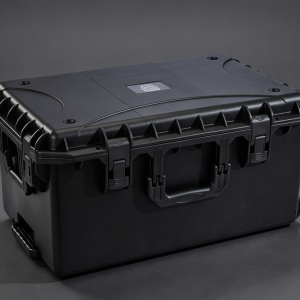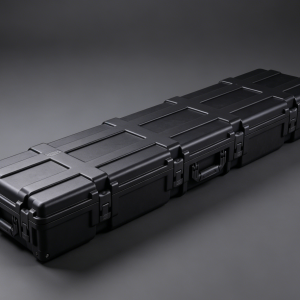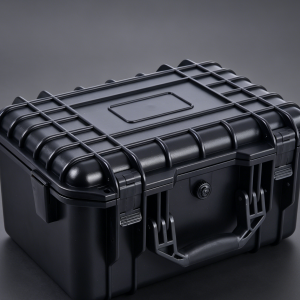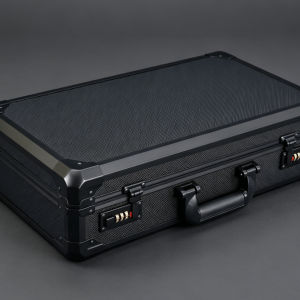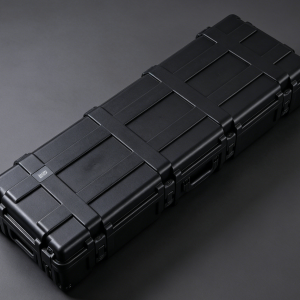
In warehouse management, equipment maintenance, and industrial production environments, tool boxes not only serve the function of storing tools but also affect overall operational efficiency. As the variety and quantity of tools continue to increase, relying solely on numbering or memory can easily lead to time-consuming searches and disorganized returns. Using color as an identification method can help enterprises establish a clearer management logic. By distinguishing tool categories, usage scenarios, or responsibility scopes through colors, positioning speed can be improved, management errors can be reduced, and warehouse and maintenance processes can become smoother. Color planning has become one of the important methods for improving tool management efficiency.
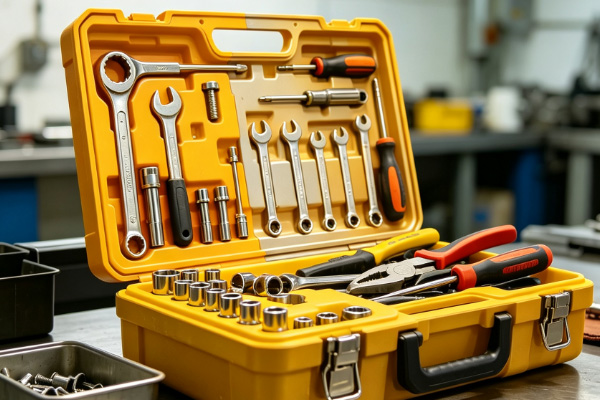
Tool Box Colors Help Establish a Fast Recognition System
Maintenance workshops and warehouse spaces usually store a large number of tools. Improving recognition speed can significantly reduce ineffective operations. A color system uses visual differences to make management more intuitive.
Color Classification Reduces Search Time
Different colored tool boxes can correspond to different purposes, thereby improving identification efficiency.
- By tool type: Hand tools, power tools, and testing equipment can be distinguished using different colors for quick positioning.
- By work area: Different maintenance areas are equipped with dedicated colored tool boxes to avoid cross-area mixing.
- By usage frequency: High-frequency and low-frequency tools are distinguished by color differences to improve access efficiency.
A structured color system can simplify operational processes and make on-site management more efficient.
Color Coding Improves Team Collaboration Efficiency
In multi-person collaboration environments, unified color rules can reduce communication costs. Different positions or departments correspond to fixed colored tool boxes, helping clarify responsibility ownership and making tool placement clear at a glance. Staff can quickly complete return operations based on color, and warehouse managers can conduct inspections and verification more efficiently, thereby forming a stable management standard.
Tool Box Colors Optimize Warehouse Space Management
Warehouse environments are complex and contain a large number of tools. Proper color planning helps improve space utilization efficiency and management clarity.
Color Differentiation Enhances Area Planning Capability
Warehouses are usually divided into multiple functional zones. Colors can strengthen spatial logic.
- Functional area separation: Maintenance areas, spare areas, and inspection areas can be managed using different color systems.
- Improved spatial recognition: After entering the warehouse, the tool location area can be identified through color.
- Shortened search paths: Clear labeling reduces repeated searching behavior and improves efficiency.
A clear color layout can optimize the overall warehouse structure.
Color Management Facilitates Inventory Inspection
A color system is also applicable to inventory management and stocktaking processes.
- More intuitive anomaly detection: Changes in the quantity of a certain color category can be quickly identified.
- More efficient stocktaking process: Grouping by color reduces item-by-item verification time.
- Continuous management optimization: Stable color rules help maintain long-term warehouse order.
Color-assisted methods make inventory management more systematic.
Tool Box Colors Improve Maintenance Site Standardization
Maintenance sites have high requirements for tool management. A color system can improve overall order and operational efficiency.
Unified Colors Create a Professional Maintenance Environment
A unified color scheme can enhance cleanliness and professionalism on site. Tools of the same type using consistent colors help form a clear visual structure and reduce clutter. A standardized color system also promotes the establishment of fixed management processes, making tool usage and return more regulated, thereby improving overall work experience.
Color Combined with Labels Improves Management Accuracy
Combining color with text labels can further enhance recognition capability.
- Narrower search scope: Color provides initial classification, while labels provide precise information.
- Lower misuse probability: Similar tools are distinguished through color differences.
- Faster onboarding: New employees can understand tool layout rules more quickly.
The combination of multiple identification methods makes management more reliable.
Proper Tool Box Color Selection Enhances Long-Term Management Value
Tool box colors not only affect visual appearance but are also related to the stability of enterprise management systems.
Establish a Color Standard System Based on Usage Scenarios
Color planning should follow a unified standard rather than being set arbitrarily.
- Industrial standardization: Fixed color rules are defined based on processes or equipment types.
- Internal enterprise consistency: Ensure color logic is consistent across departments.
- Reserved scalability: Allow compatibility for future tool category expansion.
A standardized system enhances long-term sustainability.
Combine Branding and Management to Enhance Overall Value
Color design serves both management and branding purposes.
- Strengthen brand recognition: A unified color style forms a visual identity.
- Improve site image: A clean and consistent color system enhances professionalism.
- Optimize user experience: Clear logic improves operational smoothness.
The color system is gradually becoming part of enterprise management and brand identity.
Tool box colors are widely used in tool allocation management across different workstations and areas, helping reduce misplacement and repeated searching. Compared with traditional methods relying on numbering or manual records, introducing color grading makes tool ownership more intuitive, thereby improving overall collaboration and management efficiency. SIPHIA BOX is committed to providing professional tool storage and management solutions. Through modular structures and systematic design, it helps enterprises achieve a clearer and more efficient tool management system.