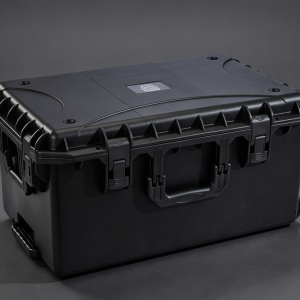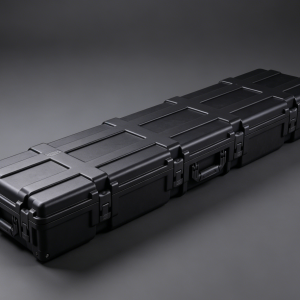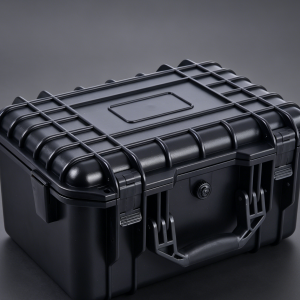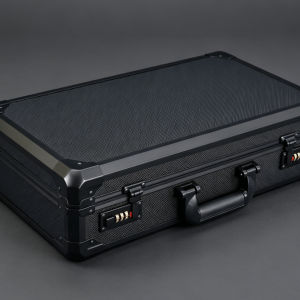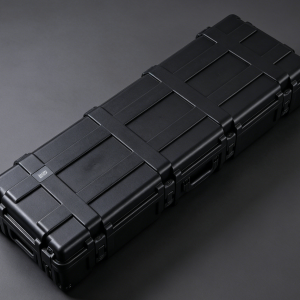
In industrial maintenance, hardware processing, equipment repair, and other working environments, tool boxes need to handle frequent use, transportation, impacts, and long-term storage. Plastic tool boxes are widely used because they are lightweight and affordable, but for users who need to store a large number of tools or work in demanding environments, metal tool boxes often provide a more stable experience. Metal materials offer clear advantages in structural strength, protection, and service life, making them suitable for the hardware industry, manufacturing companies, and professional maintenance teams. When choosing a tool box, capacity is important, but material selection also plays a key role in long-term performance.
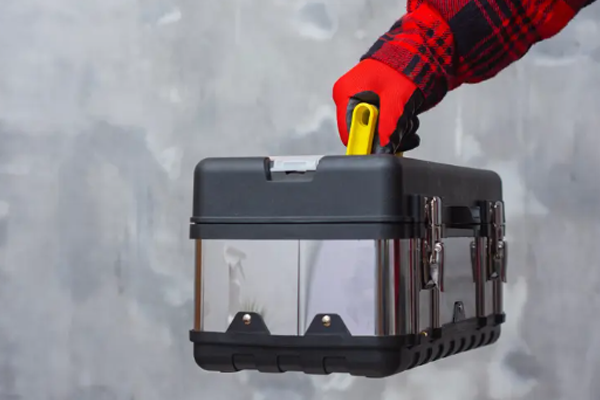
Metal Tool Boxes Have Stronger Structures for Heavy-Duty Work Environments
During daily use, tool boxes often need to carry heavy items such as wrenches, power tools, and mechanical components. If the structure is not strong enough, long-term use may lead to deformation or damage. Metal tool boxes are made from metal sheets, providing a more solid structure and meeting the needs of professional working environments.
- Stronger load-bearing capacity. Suitable for storing heavy tools and equipment.
- Better structural stability. Less likely to deform during long-term use.
- Higher impact resistance. Provides better protection for tools during transportation.
For industries such as automotive repair, mechanical processing, and industrial manufacturing, tool boxes are used frequently every day. Metal tool boxes are better suited for these high-intensity working environments and can help reduce replacement costs caused by damaged storage equipment.
Metal Tool Boxes Provide Better Tool Protection
Tools need not only convenient storage but also proper protection. Many professional tools are expensive, and poor storage conditions may lead to damage caused by impacts, pressure, or external conditions. Compared with common plastic tool boxes, metal tool boxes provide more stable protection performance.
- Stronger protective performance. A durable box structure reduces the impact of external forces.
- Suitable for precision tools. Provides better protection for measuring tools and maintenance equipment.
- More flexible internal designs. Can be equipped with drawers, compartments, and other storage structures.
In the hardware industry, tool management is not only about quantity but also about maintaining tool condition. A high-quality metal tool box can help companies reduce tool damage and give maintenance workers more confidence during daily operations.
Metal Tool Boxes Offer Longer Service Life
When businesses purchase tool boxes, they usually consider long-term value. Plastic tool boxes are lightweight, but under conditions such as high temperatures, heavy impacts, and continuous loading, they may experience aging or damage. Metal tool boxes provide better durability due to their stronger material properties.
- Better wear resistance.
- Higher long-term stability.
- Suitable for more demanding working environments.
For example, in factory workshops, repair stations, and outdoor engineering sites, tool boxes may face dust, impacts, and frequent movement. Metal materials can adapt to more challenging conditions and meet the long-term storage and management needs of businesses.
Metal Tool Boxes Have More Advantages in Professional Applications
Different tool boxes are designed for different working conditions. Plastic tool boxes are suitable for simple repairs and lightweight tool storage, while metal tool boxes are usually used in fields that require higher strength and stability.
- Industrial manufacturing industry. Used for storing maintenance tools and improving workplace organization.
- Automotive repair industry. Suitable for sockets, wrenches, power tools, and other equipment.
- Mechanical processing industry. Meets storage needs for cutting tools, measuring tools, and maintenance supplies.
- Construction and engineering fields. Helps workers carry professional tools and improve job efficiency.
Professional users pay more attention to whether a tool box can handle long-term work requirements. Although metal tool boxes may be heavier than plastic products, their stability and protection performance make them more suitable for industrial environments.
How to Choose Between Metal Tool Boxes and Plastic Tool Boxes?
Both metal and plastic tool boxes have their own advantages, and not every user needs the same type of product. When purchasing, businesses should consider tool types, usage frequency, and working conditions.
- For heavy tools and frequent use, metal tool boxes are recommended. They are more suitable for industrial maintenance and production environments.
- For users who need frequent carrying and fewer tools, plastic tool boxes may be more convenient. They offer better portability.
- For customized requirements, metal tool boxes are a good option. Sizes, drawers, and internal layouts can be adjusted according to specific needs.
For hardware industry customers, a tool box is not simply a storage product but also an important support tool for improving work efficiency. Choosing the right material can make tool management easier while reducing maintenance pressure during long-term use.
Metal tool boxes have clear advantages over plastic tool boxes in structural strength, protection, durability, and professional applications. For industries such as manufacturing, automotive repair, and hardware processing that require frequent tool use, metal tool boxes provide a more stable storage solution. However, the best choice still depends on actual working needs. Plastic tool boxes also have advantages when lightweight mobility is the main requirement. Selecting the right tool box material can better support long-term tool management and business operations.