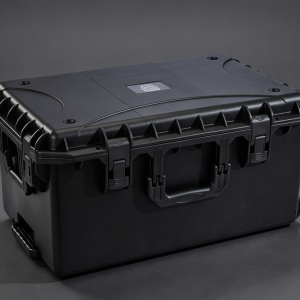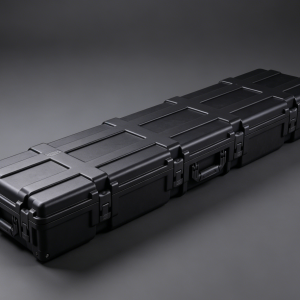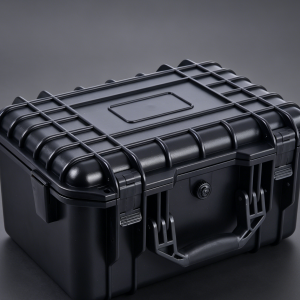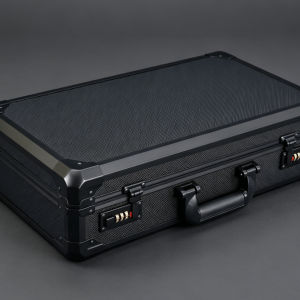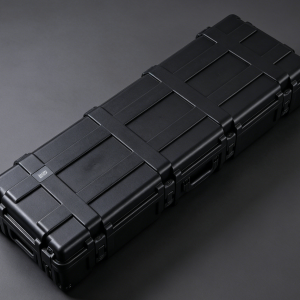
A plastic toolbox does more than store and transport tools. Its sealing performance can also affect tool protection and overall usability. In automotive repair, electrical installation, equipment maintenance, outdoor construction, communication servicing, and household tool storage, toolboxes may be exposed to dust, moisture, mud, and oil. Without an effective sealing structure, stored tools can be affected by the surrounding environment. Modern plastic toolboxes commonly use sealing gaskets, compression latches, specially designed lids, and precise body-to-lid fitting to create a relatively enclosed storage space. Materials such as PP and ABS offer good molding properties, allowing manufacturers to produce lids and bodies with consistent dimensions and improved sealing performance. For users who need to store tools for long periods, transport precision instruments, or work in demanding environments, sealing design can contribute to tool protection and easier maintenance. Understanding the functions of toolbox sealing performance can help buyers select products that better match their working conditions.
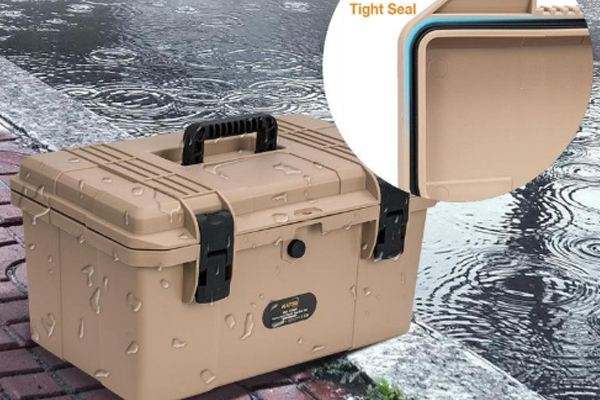
Sealing Performance Helps Reduce Dust and Debris
Mechanical workshops, construction sites, agricultural maintenance areas, and outdoor workstations often contain significant amounts of dust, metal particles, and fine debris. Without a sealing structure, these particles can enter the toolbox and accumulate on stored tools. Ordinary hand tools may require more frequent cleaning when exposed to dust, while measuring instruments, electrical equipment, and precision components can be more sensitive to particle accumulation. Plastic toolboxes equipped with sealing gaskets and compression latches can create a relatively enclosed interior when closed, helping reduce the entry of external particles. Compartmentalized designs can also keep small components separated and reduce contact with dust and other stored items. For toolboxes stored in workshops, warehouses, or vehicles for extended periods, effective sealing can help maintain cleaner tools and reduce routine maintenance requirements. Businesses managing tools centrally can also use sealed storage boxes to reduce environmental exposure and maintain better storage conditions for equipment.
Sealing Structures Help Reduce Moisture Exposure
Moisture is an important factor affecting tool storage. Although plastic toolbox bodies do not rust in the same way as metal boxes, steel tools, measuring instruments, and electronic accessories stored inside can still be affected by humid environments. Automotive repair, garden equipment maintenance, outdoor engineering, and work in coastal areas can expose tools to humid air or rainwater. A sealed plastic toolbox can reduce the entry of moisture and provide a more stable storage environment. Some products use rubber gaskets between the lid and body, while latches apply compression to improve the seal. For electricians and communication maintenance technicians, testing instruments, connectors, and electronic accessories need to remain in suitable storage conditions, and sealing structures can help reduce exposure to moisture. It is important to note that sealing capabilities vary between products. Basic dust-resistant designs and professional waterproof structures are not intended for identical environments, so buyers should evaluate product specifications before selecting a toolbox.
Value of Sealing Performance for Precision Tools and Instruments
Precision tools and testing equipment often have higher storage requirements than ordinary hand tools. Electronic measuring instruments, testing probes, connectors, fiber-optic tools, and small testing accessories may require more frequent cleaning and maintenance when exposed to dust and moisture for extended periods. A sealed plastic toolbox can help reduce environmental exposure and provide a more controlled storage space. Common design features include:
- Sealing Gasket Structure: A gasket installed around the lid can create closer contact with the toolbox body and improve dust and splash resistance.
- Compression Latches: These latches apply pressure when closed, keeping the gasket firmly against the body and improving the closure effect.
- Integrated Body Design: Reducing unnecessary joints and gaps can help lower the possibility of dust entering the toolbox.
- Foam Insert Structure: Foam inserts can secure instruments in position and reduce movement during transportation.
- Independent Storage Compartments: Separate spaces can keep instruments, cables, and accessories apart and reduce unnecessary contact.
- Reinforced Lid Structure: A stronger lid can improve stability and help the sealing system maintain more consistent pressure.
These features can help keep precision equipment more stable during transportation, storage, and field use, making them practical for industrial inspection, electronics repair, and laboratory equipment management.
Working Environments Suitable for Sealed Plastic Toolboxes
Plastic toolboxes with effective sealing structures can be used in many working environments. Outdoor construction workers often carry tools through areas exposed to wind, dust, and rain, and sealing structures can help reduce the entry of dust and moisture. Automotive technicians may keep tools in vehicle trunks or repair workshops for extended periods, where sealed boxes can help maintain a cleaner interior. Electrical and communication maintenance technicians frequently carry measuring instruments, connectors, and electronic accessories, making sealing features useful for equipment storage. Agricultural machinery maintenance may involve soil, water, and oil, so a sealed toolbox can help reduce exposure to external contaminants. For household users, sealed plastic toolboxes can keep commonly used tools cleaner and reduce dust accumulation during long-term storage. Corporate warehouses and equipment maintenance departments can also use sealed toolboxes for organized storage, helping spare tools and components remain in better condition. Selecting an appropriate sealing level according to the working environment can make the toolbox more suitable for actual operating requirements.
How to Evaluate the Sealing Performance of a Plastic Toolbox
When selecting a sealed plastic toolbox, buyers should pay attention to the lid structure, gasket material, latch mechanism, and manufacturing precision. The contact area between the lid and body should fit evenly without obvious gaps. The gasket should have sufficient elasticity to maintain effective contact after repeated opening and closing. The number and position of latches can also affect sealing performance. Large-capacity toolboxes may require multiple latches to distribute pressure more evenly around the lid. For outdoor applications, buyers can check whether the product is designed for dust resistance, splash resistance, or a higher level of environmental protection. Internal structure is also important when transporting instruments. Foam inserts and independent compartments can improve equipment protection and organization. Different users require different levels of sealing performance. Household repairs may only require basic dust protection, while industrial inspection, communication maintenance, and outdoor construction may require stronger sealing capabilities. Choosing an appropriate sealing structure can improve tool storage conditions, reduce cleaning and maintenance requirements, and help plastic toolboxes maintain reliable performance during long-term use.