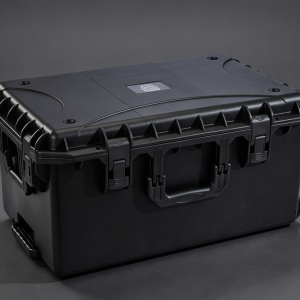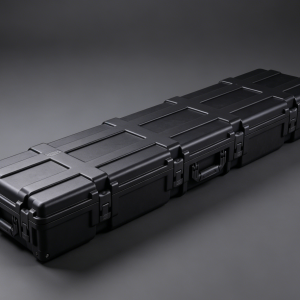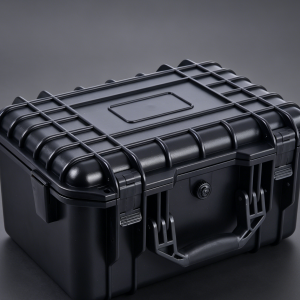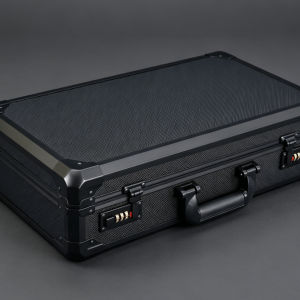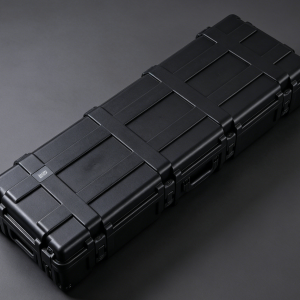
When choosing a tool box, many people face the same question: why are aluminum alloy tool boxes noticeably lighter even though they are also made of metal? For workers who frequently travel to job sites, perform maintenance work, or need to carry many tools, the weight of a tool box is actually very important. A box that is too heavy can become difficult to carry once it is filled with tools and may affect work efficiency. Aluminum alloy tool boxes reduce overall weight while maintaining reliable strength, which is closely related to the characteristics of aluminum alloy as a metal material. This material changes the traditional image of heavy tool boxes and provides a more convenient storage solution for mobile working environments.
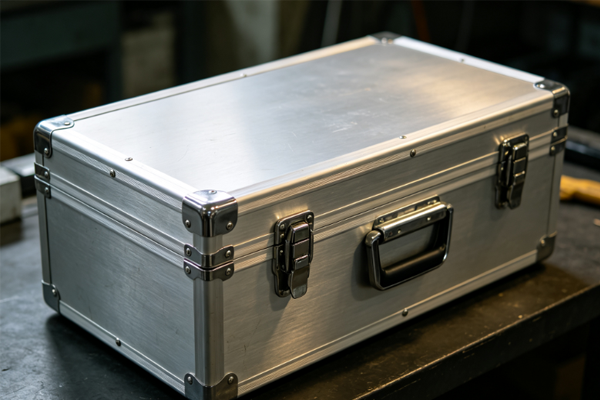
Aluminum Alloy Materials Are Naturally Lightweight, Reducing Carrying Pressure
The main reason aluminum alloy tool boxes are lighter than many traditional metal tool boxes is the lower weight of the material itself. Different metal materials have different densities, and aluminum alloy can reduce the overall weight when producing tool boxes of the same size.
- Lower weight with the same volume.
- Easier transportation and carrying.
- Suitable for working environments that require frequent movement.
For maintenance workers, tool boxes usually contain screwdrivers, pliers, measuring tools, electric equipment, and other items. If the box itself is already heavy, the total weight can become a burden after adding tools. Aluminum alloy tool boxes reduce the empty box weight, leaving more capacity for the tools that actually need to be carried.
Aluminum Alloy Tool Boxes Use Optimized Designs to Reduce Overall Weight
The weight of a tool box is not only related to the metal material but also the manufacturing design. Many modern aluminum alloy tool boxes use lightweight designs. Instead of simply reducing materials, manufacturers optimize the structure to make the box more practical.
- Reasonable box structure control.
- Reduction of unnecessary weight.
- Improved internal storage layout.
- More convenient tool organization.
Some professional tool boxes are designed with compartments, drawers, or fixed storage areas based on different working requirements. This improves space utilization while preventing unnecessary increases in weight.
Aluminum Alloy Balances Lightweight Design and Daily Working Strength
Many users worry that lightweight tool boxes may not be durable enough. In fact, aluminum alloy is not designed only for reducing weight. It provides a balance between lightweight performance and structural strength. After processing, aluminum alloy materials can meet the needs of many daily working applications.
- Able to handle common impacts.
- Suitable for storing frequently used maintenance tools.
- Meets the requirements of engineering job sites.
Compared with some ordinary plastic tool boxes, aluminum alloy tool boxes offer better structural stability. Their lighter weight does not mean lower value. Instead, they are ideal for users who need the reliability of metal materials without carrying a heavy box.
Which Industries Prefer Aluminum Alloy Tool Boxes?
Different working environments have different requirements for tool boxes. The biggest advantage of aluminum alloy tool boxes is portability, which makes them popular in industries where tools need to be moved frequently. For workers, a lightweight tool box can make daily tasks smoother and more efficient.
- Equipment maintenance industry. Engineers can carry tools to different locations for repairs.
- Automotive repair industry. Easy to store in vehicles and access quickly.
- Electronic equipment maintenance. Suitable for storing precision repair tools.
- Outdoor construction projects. Reduces the pressure of long-distance transportation.
In the hardware industry, many workers use tools every day. If the tool box is too heavy, it can affect movement speed and convenience during operations. Aluminum alloy tool boxes meet portability requirements and are especially suitable for flexible working styles.
Choosing an Aluminum Alloy Tool Box Should Not Only Depend on Weight
Although lightweight design is one of the biggest advantages of aluminum alloy tool boxes, buyers should not focus only on weight. Different products vary in metal material quality, manufacturing processes, and functional designs. The most suitable tool box depends on actual working needs.
- Check whether the box size matches the number of tools.
- Check whether the internal layout makes organization easier.
- Check whether opening and closing accessories are smooth and durable.
When selecting a tool box, users should first consider what tools they normally use, whether frequent movement is required, and whether the working environment is complex. A lightweight tool box improves carrying comfort, but stability and practicality are equally important.
Aluminum alloy tool boxes have become increasingly popular because aluminum alloy metal materials are naturally lightweight and can provide a better user experience through optimized design. For industries such as maintenance, engineering, and hardware manufacturing that require frequent tool transportation, lightweight designs can reduce carrying pressure and make work more convenient. However, when selecting a tool box, users should consider not only weight but also material quality, structural design, and actual application needs. An aluminum alloy tool box that matches the working style can truly improve tool management efficiency.