
Precision instruments are widely used in laboratories, industrial inspection, electronic testing, engineering measurement, scientific research, and medical equipment. These instruments often have complex structures, high accuracy requirements, and sensitive internal components. During daily use, on-site operations, and long-distance transportation, ordinary storage cases may not provide sufficient protection.
Precision instrument toolbox solutions are designed around the instrument’s dimensions, structure, working environment, and transportation requirements. Through customized internal layouts, cushioning protection, and durable external structures, these solutions provide safer and more convenient storage and transportation for different types of precision equipment.
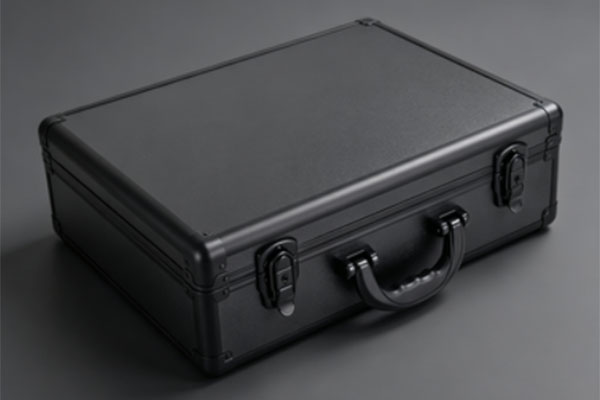
Why Do Precision Instruments Need Professional Toolboxes?
Reducing the Risk of Damage During Transportation
Precision instruments may contain sensors, circuit boards, optical components, or high-precision mechanical structures. During handling and transportation, insufficient internal cushioning can cause the equipment to move or collide inside the case, potentially affecting its performance.
A professional precision instrument toolbox can be designed with customized internal protection according to the shape of the equipment, helping keep the instrument securely positioned and reducing movement during transportation.
Improving Instrument Storage Efficiency
Different instruments often require power cables, probes, connectors, data cables, and other accessories. If all equipment and accessories are placed together without organization, the toolbox can quickly become cluttered, making it difficult to find the required items.
With compartmentalized storage, the main instrument, accessories, and frequently used tools can be organized separately, allowing technicians to quickly check and access everything they need.
Key Design Features of Precision Instrument Toolboxes
Customized Internal Structures Based on Instrument Dimensions
Precision equipment comes in many different shapes and sizes, so a toolbox should not be selected based only on standard dimensions. The internal space can be designed according to the instrument’s length, width, height, and protruding components. Foam inserts, dividers, and dedicated fixing structures can then be added for additional protection.
Enhanced Shock and Vibration Protection
Shock protection is one of the most important functions of a precision instrument toolbox. Internal cushioning materials can absorb part of the impact generated during transportation and reduce the effects of vibration on sensitive equipment. For high-value or highly precise instruments, multi-layer cushioning structures can provide an additional level of protection.
Protection Against Dust, Moisture, and Daily Wear
Precision instruments need protection not only from impact but also from dust, moisture, and changing environmental conditions. This is especially important for outdoor testing, engineering projects, and industrial applications. The toolbox’s exterior materials and sealing structure should therefore be selected according to the actual working environment.
Solutions for Different Application Scenarios
Precision instrument toolboxes should be designed according to specific application requirements. Laboratory applications generally focus on organized storage and internal protection, while field testing places greater emphasis on portability, durability, and environmental resistance.
| Application Scenario | Common Instruments | Key Toolbox Features |
| Laboratory | Analytical instruments, testing equipment | Organized storage, cushioning protection |
| Industrial Inspection | Measuring instruments, inspection equipment | Shock resistance, durability, portability |
| Engineering Sites | Surveying instruments, testing equipment | Portability, dust and water protection |
| Electronic Testing | Oscilloscopes, testing instruments | Secure fixing, accessory organization |
| Scientific Research | Precision laboratory equipment | Customized inserts, high-level protection |
How to Choose the Right Precision Instrument Toolbox
Choose the Toolbox According to Equipment Weight
The weight of the instrument directly affects the required load-bearing capacity of the toolbox. For heavier industrial equipment, users should pay particular attention to case strength, handle construction, and overall load capacity to prevent deformation or damage during long-term use.
Select Protection Features Based on Transportation Conditions
If the toolbox is mainly used for indoor storage, organization and internal protection may be the primary considerations. If the equipment needs to be shipped, transported by vehicle, or carried outdoors, greater attention should be given to shock resistance, dust protection, moisture resistance, and impact resistance.
Plan the Internal Space According to the Number of Accessories
When choosing a toolbox, it is important to consider more than just the dimensions of the main instrument. Probes, cables, power adapters, connectors, and other accessories should also be included in the storage plan.
Proper internal space planning helps prevent instruments and accessories from colliding with each other while improving efficiency during on-site operations.
Advantages of Customized Precision Instrument Toolboxes
For instruments with unusual dimensions, high value, or frequent transportation requirements, standard toolboxes may not provide adequate protection. A customized solution can be developed according to the actual dimensions of the equipment, with internal structures designed specifically for the instrument and its accessories.
From manufacturing and transportation to on-site use, a well-designed precision instrument toolbox can reduce the risk of equipment damage while improving overall equipment management. For businesses, this can also increase instrument turnover efficiency and reduce additional costs caused by damaged equipment or missing accessories.
Precision instruments have strict requirements for storage and transportation, so a toolbox should provide more than simple storage. It should also offer stable and reliable protection. Through customized inserts, compartmentalized storage, shock-resistant structures, dust and moisture protection, and portable designs, precision instrument toolboxes can better serve laboratories, industrial inspection, engineering measurement, scientific research, and other applications.
When selecting a precision instrument toolbox solution, businesses should consider the instrument’s dimensions, weight, number of accessories, transportation method, and working environment. A toolbox designed around the actual requirements of the equipment can provide safer storage, more efficient transportation, and long-term protection.