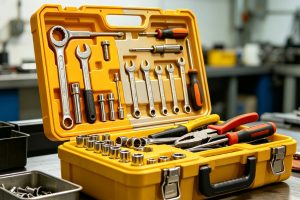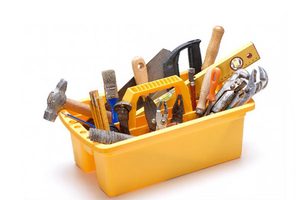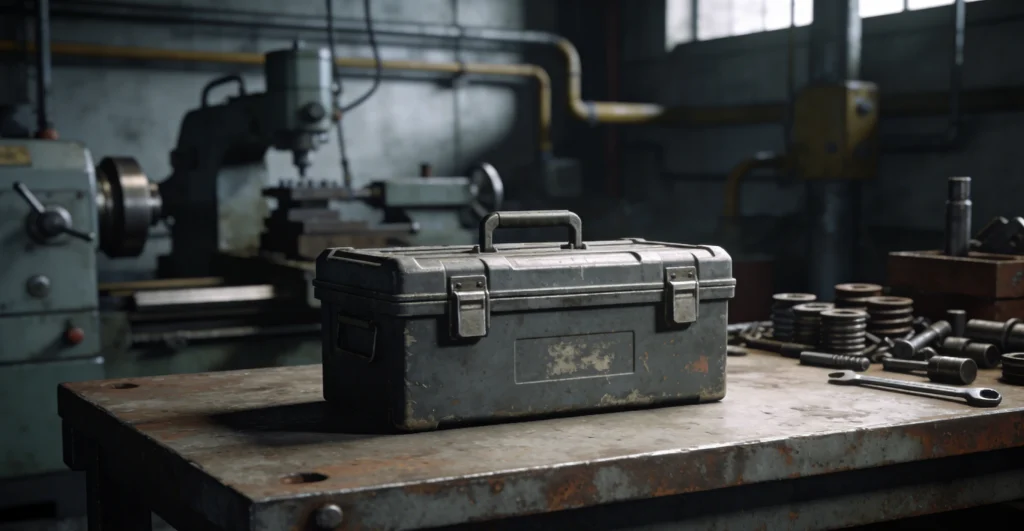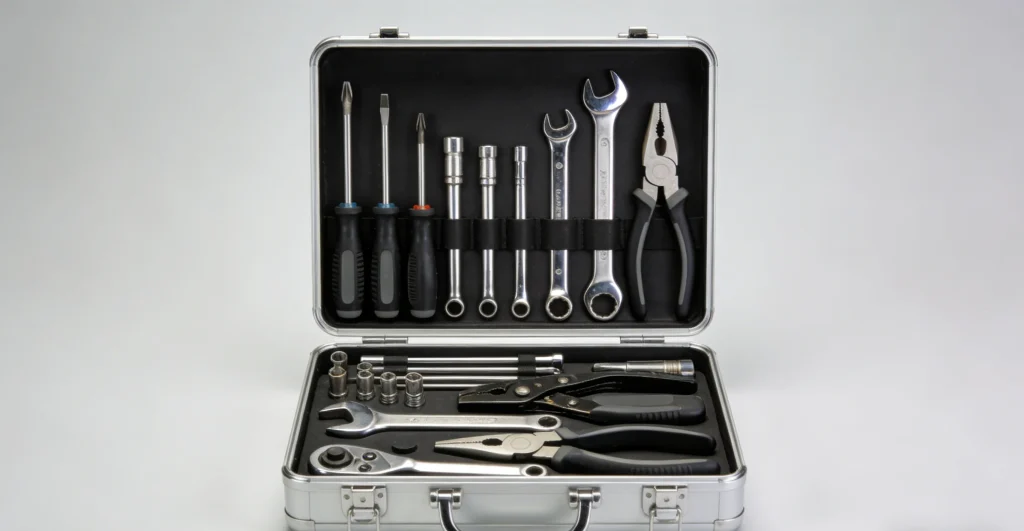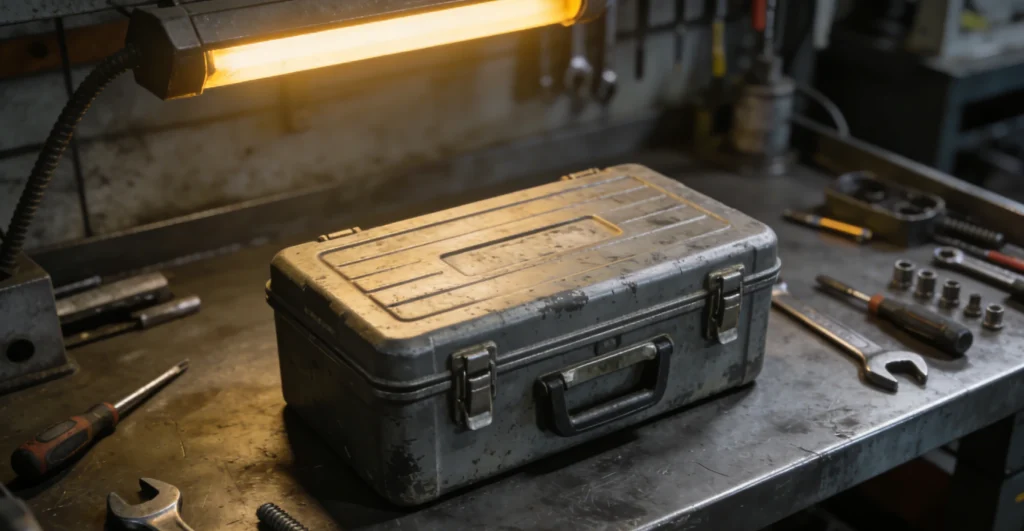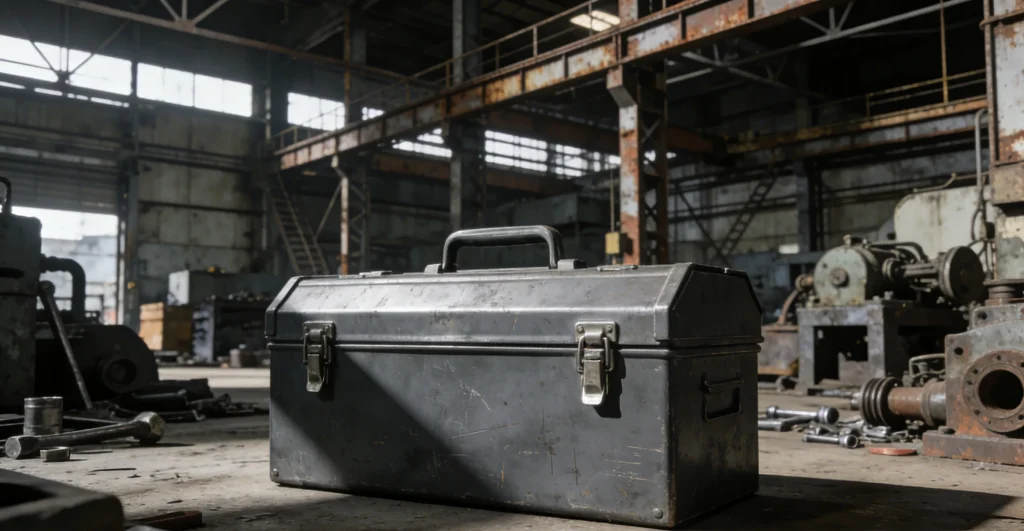
Tools used in repair, installation, and industrial operations vary widely, ranging from screwdrivers and wrenches to power tools, testing equipment, and small accessories. Different tools have different storage requirements. Stackable toolboxes use multi-level combinations, independent modules, and flexible compartments, allowing users to adjust storage arrangements according to tool size, frequency of use, and work tasks. They are suitable for automotive repair, industrial maintenance, engineering construction, home DIY, and other applications.
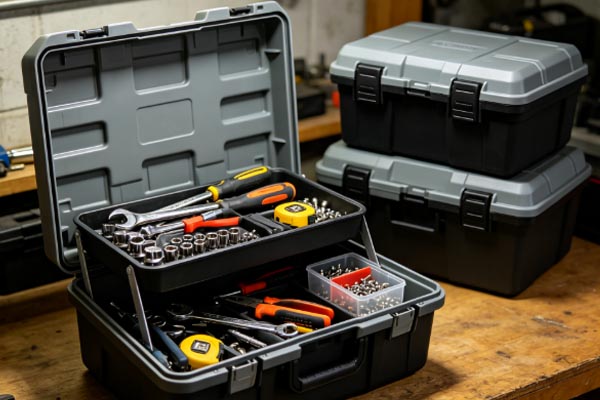
Different-Sized Tools Can Have Suitable Storage Spaces
Large power tools, small hand tools, and loose accessories require different storage methods. Stackable toolboxes provide suitable storage locations for various tools through combinations of compartments in different sizes.
Large Tools Have Dedicated Storage Spaces:
Large tools such as power drills, impact wrenches, and testing equipment require spacious storage areas.
- Independent Storage for Large Modules: Larger boxes are suitable for storing power tools and professional equipment, helping reduce compression.
- Deeper Spaces Improve Storage Efficiency: Deep storage compartments are suitable for larger tools and help reduce tool exposure.
- More Stable Load-Bearing Structure: Heavier tools can be placed in modules with stronger load-bearing capacity.
Properly arranging storage space for large tools helps maintain the stability of the toolbox and makes tools easier to access.
Small Tools Are Easy to Classify Precisely:
Tools such as screwdrivers, pliers, sockets, and bits are numerous and come in various specifications, requiring detailed classification.
- Independent Compartments for Small Tools: Different types of tools can be stored separately for quick access.
- Centralized Organization with Accessory Boxes: Parts such as screws, washers, and nuts can be managed through divided compartments.
- Labels Assist Identification: Marking tools according to size, model, or purpose makes them easier to locate.
Through detailed classification, small tools and loose accessories can remain organized, reducing the time spent searching.
Stackable Structures Can Expand Flexibly According to the Number of Tools
As work projects increase, the number of tools may continue to grow. Stackable designs can adjust overall capacity by adding more boxes.
Storage Capacity Can Be Expanded as Tools Increase:
Traditional single-unit toolboxes have limited space, while stackable structures can add storage modules according to actual needs. When the number of tools increases, additional boxes can be added to expand storage capacity. Common tools, backup tools, and professional equipment can also be freely combined according to specific requirements. When the existing capacity is insufficient, users can add modules directly without frequently replacing the entire toolbox with a larger one. This expansion method can adapt to changes in the number of tools and meet storage needs at different stages.
Vertical Stacking Improves Space Utilization:
Workshops, warehouses, and home garages often need to control the floor space occupied by tools and equipment.
- Stacking Upward Reduces Floor Occupancy: Multiple boxes can be stacked vertically to make full use of vertical space.
- Keeps Work Areas More Organized: Centralized tool storage helps reduce the random placement of boxes and loose tools.
- Makes Warehouse Management More Convenient: Multiple modules can be stacked in a consistent manner, making organization and inventory checks easier.
Using vertical space for storage allows more tools and equipment to be accommodated within a limited area.
Different Tool Combinations Can Be Configured for Different Work Tasks
Stackable toolboxes can be configured with corresponding modules according to specific projects, making tool combinations better suited to actual tasks.
Frequently Used Repair Tools Are Easy to Access Quickly:
Tools used frequently in daily work should be placed in locations that are easy to reach.
- Centralized Management of Common Wrenches and Screwdrivers: Maintenance personnel can quickly find commonly used tools.
- Classified Storage of Sockets and Bits: Arranging them according to specifications makes them easier to locate when needed.
- Independent Carrying of Quick-Access Modules: For short repair tasks, users can carry only the commonly used tool module to reduce the load.
Centralizing frequently used tools can reduce search time and make daily repair work more efficient.
Professional Tasks Can Use Dedicated Modules:
Different equipment maintenance tasks require different professional tools. Stackable structures can provide targeted combinations for specific applications.
- Automotive Repair Module: Stores sockets, wrenches, testing tools, and related accessories in one place.
- Equipment Maintenance Module: Includes specialized repair tools for mechanical equipment and reduces mixing with other tools.
- Engineering Installation Module: Organizes power drills, bits, and connectors according to construction tasks.
Configuring independent modules for professional tasks helps improve the relevance and convenience of on-site operations.
Stackable Toolboxes Meet Long-Term Tool Management Needs
Tool management needs to address both current storage requirements and future changes. Stackable designs can be adjusted according to the number of tools and the nature of the work.
Tool Classification Can Be Continuously Adjusted:
As work requirements change, tool classification methods can also be optimized accordingly. Independent modules can be created for hand tools, power tools, and testing equipment. Different maintenance personnel can use corresponding tool combinations based on their responsibilities. Tools required for specific projects or equipment can also be temporarily combined. Continuously adjusting tool classification allows the storage system to better match actual work requirements.
Enterprise Management Becomes More Standardized:
For companies with multiple maintenance positions, stackable toolboxes can help establish unified tool configuration standards.
- Fixed Tool Storage Locations: Each module has a clearly defined purpose, making it easier for staff to return tools to their proper places.
- Easier Tool Inventory Checks: Clear classification makes it possible to quickly check tool quantities and usage status.
- Easier Staff Handover: Clearly defined tool combinations reduce the organizational pressure during position handovers.
Standardized tool management helps improve team collaboration efficiency and daily management.
Stackable toolboxes can combine different types of tools according to their applications, reducing tool mixing and wasted space. Whether for daily repairs, equipment maintenance, or on-site construction, users can select the appropriate modules according to actual tasks, making tools easier to access and return to their proper places. SIPHIA BOX focuses on professional tool storage solutions and helps users achieve efficient and organized tool management through well-designed modules and combinable structures.