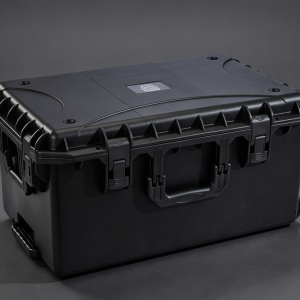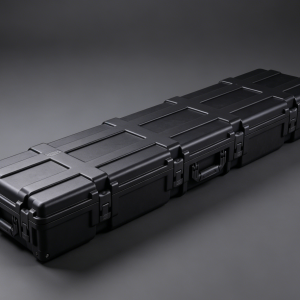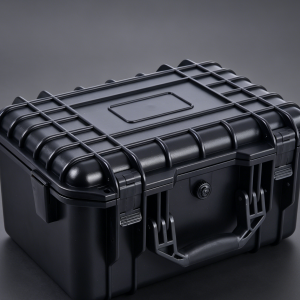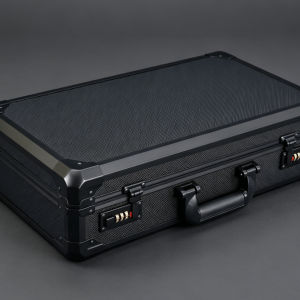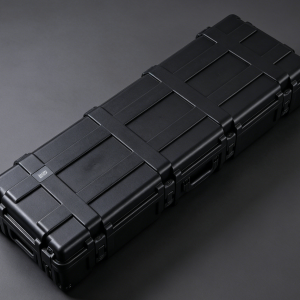
Mechanical maintenance covers production equipment, machine tools, construction machinery, power equipment, and various transmission systems. Maintenance technicians regularly use wrenches, sockets, screwdrivers, pliers, hex keys, measuring instruments, and replacement parts. With so many tools of different sizes, proper storage is essential to prevent mixing, loss, and difficulty finding the right equipment. Plastic toolboxes offer lightweight construction, flexible internal organization, moisture resistance, and easy cleaning, making them practical for storing and transporting mechanical maintenance tools.
ABS, PP, HDPE, and other plastic materials can be processed into toolboxes with different capacities and structures. Reinforcing ribs, dividers, trays, tool slots, and separate storage areas can be incorporated into the design, allowing technicians to organize tools according to size and frequency of use. Factory maintenance workers can carry a toolbox from the repair room to production lines, machine tools, and equipment sites. Construction machinery technicians can also use portable plastic toolboxes to carry frequently used hand tools and small replacement parts. Selecting the appropriate material, load capacity, and internal layout can make a plastic toolbox more suitable for frequent transportation and daily mechanical maintenance.
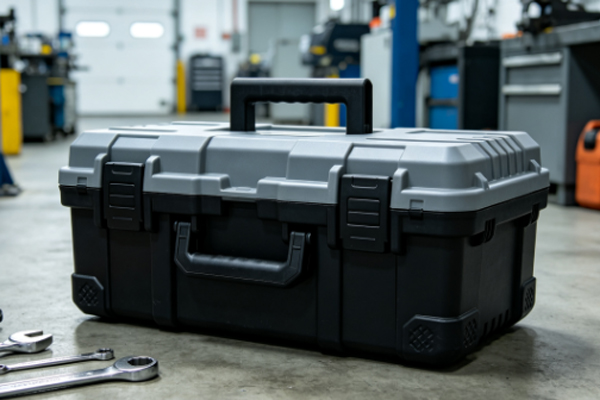
Why Are Plastic Toolboxes Needed for Mechanical Maintenance?
Mechanical maintenance is characterized by a large number of tools, frequent tool use, and changing work locations. A technician may work on equipment in a maintenance workshop in the morning and then inspect motors, bearings, transmission components, or fasteners on a production line later in the day. Leaving tools scattered across workbenches or near machinery can increase search time and create a higher risk of tools being misplaced.
A plastic toolbox can keep commonly used equipment together in one organized storage space. Technicians can prepare tool combinations according to specific equipment requirements. For example, machine tool maintenance may require wrenches, hex keys, screwdrivers, and measuring tools. Motor maintenance can include sockets, ratchets, and electrical testing equipment. Construction machinery servicing may require different sizes of wrenches, pliers, and small repair accessories.
A fixed tool configuration allows workers to check their equipment quickly before leaving for a job and begin maintenance immediately after arriving at the site.
Compared with large stationary tool cabinets, portable plastic toolboxes are more suitable for repair tasks that require frequent movement. They can be placed in service vehicles or carried directly to production equipment. For companies that need rapid responses to equipment failures, this mobile storage method can make field maintenance more convenient.
How Do Plastic Toolboxes Improve Mechanical Tool Organization?
Mechanical maintenance tools vary considerably in size. Long-handled wrenches, sockets, screwdrivers, and small fasteners can easily become mixed together if they are stored in one open compartment.
Plastic toolboxes can use trays, dividers, and positioning slots to create dedicated storage areas. Frequently used tools can be placed in upper trays, while larger equipment can be stored in the lower section.
Small components can be managed through individual compartments. Bolts, nuts, washers, retaining rings, and other replacement parts can be separated according to type and size, reducing the possibility of mixing different components. Transparent compartments or removable dividers can also make it easier to check the quantity of spare parts.
Common storage configurations for mechanical maintenance toolboxes include:
- Layered Trays: Suitable for screwdrivers, pliers, wrenches, and other frequently used hand tools.
- Socket Storage Positions: Dedicated locations can be provided for different socket sizes to prevent them from becoming mixed together.
- Adjustable Dividers: Storage areas can be modified according to tool dimensions, improving the use of internal space.
- Small-Parts Compartments: Suitable for bolts, nuts, washers, retaining rings, and other repair components.
- Bottom Storage Space: Suitable for larger or heavier tools and provides additional capacity for demanding maintenance tasks.
A clear internal layout can reduce the time needed to locate tools and make it easier for technicians to check whether all equipment has been returned after completing a repair.
Durability of Plastic Toolboxes in Mechanical Maintenance Environments
Mechanical maintenance environments can contain metal dust, oil, vibration, and frequent transportation. As a result, toolboxes need a certain level of structural stability.
High-strength plastics can improve overall rigidity through increased wall thickness, reinforcing ribs, and strengthened connection points. For toolboxes designed to store large collections of metal tools, reinforcement at the bottom is particularly important because continuous loading places significant stress on this area.
Plastic materials can also provide good moisture resistance under ordinary conditions. Unlike conventional steel toolboxes, plastic bodies are not prone to rust from normal exposure to moisture. This allows plastic toolboxes to be used in workshops, warehouses, service vehicles, and certain outdoor maintenance locations.
The exterior can generally be wiped clean when exposed to oil, dust, or workshop residues.
Different plastics provide different performance characteristics. ABS typically offers good rigidity and dimensional stability, making it suitable for toolboxes requiring a relatively rigid body. PP provides good toughness and lightweight characteristics, making it suitable for frequently transported toolboxes. HDPE can be used for applications where impact resistance is important.
The durability of a toolbox is not determined by the body material alone. Hinges, latches, handles, and the bottom structure also play important roles. Toolboxes used frequently in mechanical maintenance should have strong connection structures and a load capacity that matches the actual tool collection.
Applications in Factory and Construction Machinery Maintenance
Plastic toolboxes can support a wide range of mechanical maintenance activities.
Factory equipment maintenance personnel can configure dedicated toolboxes for specific machines and quickly take them to the production line when equipment problems occur. Machine tool technicians can prepare wrenches, hex keys, screwdrivers, and measuring instruments according to equipment requirements. Production line inspection personnel can carry compact testing instruments and commonly used fastening tools.
Construction machinery maintenance often takes place in more dispersed locations. Technicians may need to travel to construction sites, storage areas, or outdoor work zones. Small portable toolboxes can store commonly used repair tools, while larger models can accommodate additional equipment. Toolboxes with wheels and telescopic handles are useful when the tool collection is relatively heavy or needs to be transported over longer distances.
Agricultural machinery maintenance can also benefit from plastic toolboxes. Tractors, harvesters, seeders, and other agricultural equipment require wrenches, sockets, pliers, and various fasteners during servicing. Technicians can prepare dedicated toolboxes for different machines, reducing the need to search for equipment during maintenance.
Mechanical maintenance companies can establish standardized toolbox configurations for different tasks, such as:
- Machine Tool Maintenance Toolbox: Equipped with wrenches, hex keys, screwdrivers, calipers, and other commonly used equipment.
- Motor Maintenance Toolbox: Suitable for sockets, ratchets, screwdrivers, and basic testing tools.
- Construction Machinery Toolbox: Requires greater storage capacity and stronger load-bearing construction for heavier tools.
- Agricultural Machinery Toolbox: Can be configured according to seasonal equipment maintenance requirements.
- Equipment Inspection Toolbox: Suitable for measuring tools, testing instruments, and a limited selection of repair accessories.
Organizing toolboxes according to equipment categories can help maintenance teams establish consistent tool management practices and reduce tool clutter.
How to Choose the Right Plastic Toolbox for Mechanical Maintenance
The appropriate toolbox should be selected according to tool weight, quantity, dimensions, and working location.
Light equipment maintenance may only require a compact or medium-sized portable toolbox, while heavy machinery servicing requires a larger model with a reinforced bottom and higher load capacity. Workers who frequently move tools around a factory may prefer a lightweight carrying design, while technicians transporting large collections of equipment over longer distances can consider models with wheels and telescopic handles.
Key features to consider include:
- Body Strength: Check whether the walls, bottom, and edges have reinforcing structures capable of supporting the actual tool load.
- Handle Construction: When storing heavy mechanical tools, the handle and its connection points should provide adequate load-bearing strength.
- Internal Organization: Select trays and compartments according to the dimensions of wrenches, sockets, screwdrivers, and small components.
- Environmental Resistance: For workshops with significant dust and oil exposure, choose easy-to-clean plastic materials and enclosed toolbox designs.
- Mobility: Hand-carry models are suitable for short-distance transportation, while wheeled models can be more practical for larger maintenance tasks.
- Latches and Hinges: Toolboxes that are frequently opened and closed require reliable latches and stable hinges.
- Capacity: Leave sufficient space for the existing tool collection while avoiding excessive stacking that can make tools difficult to access.
The value of plastic toolboxes in mechanical maintenance goes beyond basic tool storage. Lightweight plastic bodies reduce carrying effort, while layered trays and separate compartments improve tool organization. Reinforcing ribs and strengthened bottoms can support heavier tool collections.
For machinery manufacturing plants, automotive repair businesses, construction machinery service teams, agricultural machinery technicians, and equipment inspection personnel, selecting a plastic toolbox that matches the specific maintenance task can make tools easier to store, transport, and manage.
By matching material performance, body strength, internal organization, load capacity, and mobility features to actual working requirements, plastic toolboxes can provide a practical storage solution for frequent mechanical maintenance operations.