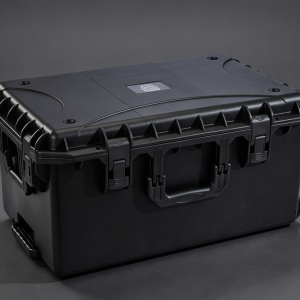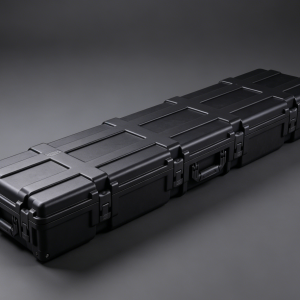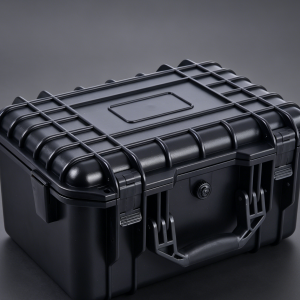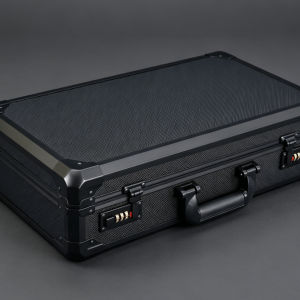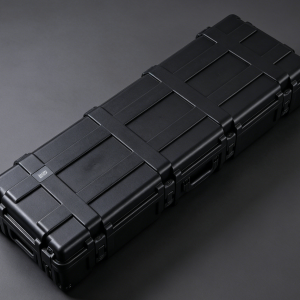
High-strength plastic toolboxes are manufactured using engineering plastics or reinforced plastic materials with good mechanical properties. Compared with ordinary thin-wall storage boxes, they are more suitable for repair, engineering installation, industrial maintenance, and outdoor work where tools need to be transported frequently.
A toolbox must accommodate wrenches, screwdrivers, pliers, sockets, measuring equipment, and other tools while handling the weight of the contents, impacts during transportation, and repeated stress from daily opening and closing. High-strength plastics can improve overall stability through appropriate material formulations, wall thickness, reinforcing ribs, and structural connections.
Common materials for high-strength plastic toolboxes include ABS, PP, HDPE, and other modified plastics. Each material offers different levels of rigidity, toughness, and environmental resistance. Compared with traditional metal toolboxes, high-strength plastic models are generally lighter and are not prone to rust when their surfaces are scratched or exposed to ordinary moisture.
The toolbox can also be injection molded with internal compartments, tool slots, and reinforced structures, improving storage efficiency. For professionals who use toolboxes regularly, the combination of material performance and structural design has a direct impact on load capacity, impact resistance, and service life.
High-Strength Plastic Toolboxes Offer Good Impact Resistance
Repair tools are usually made of metal, and storing a large number of them together can create considerable weight. If the toolbox is dropped, bumped, or squeezed during transportation, the body needs sufficient impact resistance to remain intact.
High-strength plastics can provide good toughness and help reduce the risk of cracking when subjected to sudden impacts. This is particularly useful for workers who frequently carry tools to construction sites, factory workshops, and maintenance areas.
Impact resistance does not depend solely on the plastic material. Wall thickness, rounded corners, reinforcing ribs, and connection points also contribute to overall performance. Properly designed rounded corners can reduce stress concentration, while reinforcing ribs can increase local rigidity. Handle and latch connection areas also require additional structural reinforcement.
High-strength plastic toolboxes can incorporate these design features to maintain better structural integrity during frequent handling and transportation.
Load Capacity and Structural Stability for Heavy Tools
Mechanical repair, electrical maintenance, and industrial equipment servicing often require toolboxes to carry numerous metal tools for extended periods. High-strength plastic toolboxes can improve load-bearing performance through reinforced bottoms and additional structural ribs.
The bottom is the primary load-bearing area of a toolbox. With appropriate structural design, it can reduce the risk of significant deformation caused by long-term loading.
Important structural features include:
- Reinforced Bottom: Increased bottom thickness can provide better support for heavier tool combinations.
- Bottom Reinforcing Ribs: Cross-shaped or longitudinal ribs can increase bottom rigidity and reduce deformation under load.
- Reinforced Handle Connections: Handles must support the weight of the entire toolbox, so their connection points should have sufficient structural strength.
- Heavy-Duty Latches: Reliable latches help keep the lid securely closed during transportation and frequent movement.
- Reinforced Edges: Strengthened edges can improve overall rigidity and help maintain stable lid alignment.
With an appropriate combination of structural features, high-strength plastic toolboxes can accommodate heavier tool collections while reducing problems such as loosening and deformation during long-term use.
Good Moisture and Corrosion Resistance of High-Strength Plastics
Toolboxes are frequently used in workshops, warehouses, garages, and outdoor maintenance locations. Moisture, dust, and certain chemicals in these environments can affect stored tools and the toolbox itself.
High-strength plastics generally do not rust like conventional steel, giving them an advantage in ordinary humid environments. For workers who regularly transport tools to outdoor locations, plastic bodies can reduce problems associated with corrosion caused by normal moisture exposure.
Plastic materials can also offer resistance to certain chemicals under appropriate conditions. However, chemical resistance varies between different plastic materials, so the product specification should be checked before use.
If dust, oil, or construction residues accumulate on the exterior, the toolbox can generally be cleaned using suitable methods. Keeping the toolbox clean also makes it easier to inspect the condition of latches, hinges, and sealing areas.
For automotive repair, mechanical maintenance, and agricultural machinery servicing, toolboxes may frequently encounter oil and moisture. Selecting a high-strength plastic material that is moisture-resistant and easy to clean can reduce routine maintenance requirements.
Lightweight Construction Improves Tool Transportation
High strength does not necessarily mean that a toolbox must use a heavy metal construction. Modern plastic materials can provide good structural performance while keeping the toolbox relatively lightweight.
This is important for workers who carry tools every day. Automotive technicians, installation engineers, electricians, and maintenance workers may need to move equipment between different work areas. If the toolbox itself is heavy, adding a large collection of metal tools can make transportation significantly more demanding.
High-strength plastic toolboxes can control overall weight through optimized wall thickness, reinforcing rib layouts, and structural design. Handles can also be designed according to natural hand positioning to improve carrying comfort.
Large-capacity models can be equipped with wheels and telescopic handles, allowing users to pull the toolbox instead of carrying it for extended periods.
For mobile repair services, lightweight construction can also improve vehicle space utilization. Different toolboxes can be prepared for different tasks, reducing unnecessary mixing and allowing technicians to take only the required equipment to the job site.
Which Working Environments Are Suitable for High-Strength Plastic Toolboxes?
High-strength plastic toolboxes have a broad range of applications, particularly in environments where tools need to be transported frequently, tool collections are relatively heavy, or working conditions are demanding.
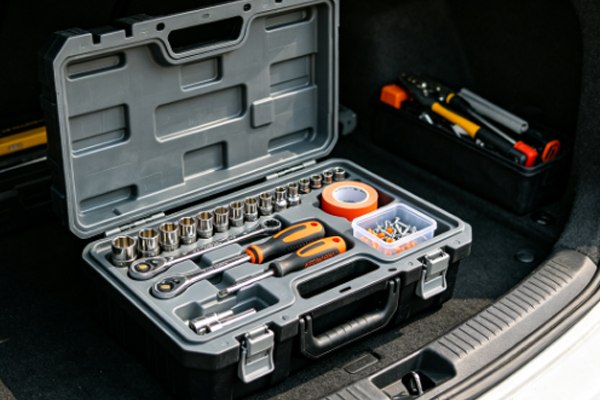
Mechanical technicians can use high-strength toolboxes to store wrenches, sockets, screwdrivers, and pliers. Electricians can use compartmentalized models for wire strippers, crimping tools, voltage testers, and testing equipment. Automotive technicians can organize socket and ratchet sets inside reinforced toolboxes.
Construction workers who move equipment between floors and different work areas can choose models with carrying handles or wheels. Agricultural machinery technicians working outdoors can select products with enclosed structures and good moisture resistance.
Electronics technicians may place greater importance on foam interiors, precision compartments, and positioning slots to reduce movement of delicate equipment during transportation.
When selecting a high-strength plastic toolbox, consider the following features:
- Choose the Load Capacity According to Tool Weight: For large quantities of heavy metal tools, select a model with a reinforced bottom and thickened body.
- Choose the Structure According to Transportation Frequency: Lightweight carrying models are suitable for frequent hand transportation, while wheels and telescopic handles are useful for longer-distance movement.
- Choose Materials According to the Working Environment: Indoor maintenance, factory workshops, and outdoor operations may require different plastic materials according to moisture, dust, and temperature conditions.
- Choose Interior Features According to Tool Type: Hand tools work well with trays and tool slots, precision equipment can benefit from foam liners, and small accessories are best stored in separate compartments.
- Choose the Lid Structure According to Protection Requirements: For dusty environments, consider an enclosed design and, where appropriate, a toolbox with a sealing structure.
High-strength plastic toolboxes combine tough materials, reinforced structures, lightweight construction, and flexible internal layouts to provide stable storage and transportation for professional tools.
Good impact resistance helps the toolbox handle everyday bumps and transportation, while reinforced bottoms provide support for heavier tool collections. The moisture resistance of plastic materials also makes these products suitable for many demanding working environments.
For industries such as automotive repair, mechanical manufacturing, electrical installation, construction, agricultural machinery maintenance, and electronics servicing, selecting a high-strength plastic toolbox according to tool weight and working conditions can improve storage and transportation efficiency.
Matching the material, load capacity, internal organization, handle design, and protective features to actual requirements can help a plastic toolbox provide more reliable performance during frequent, long-term use.