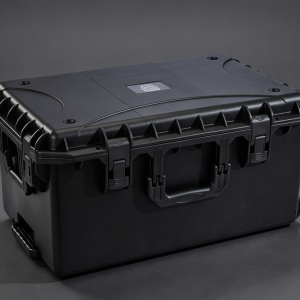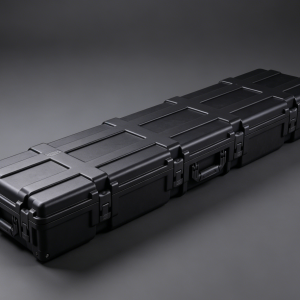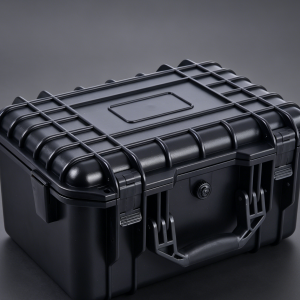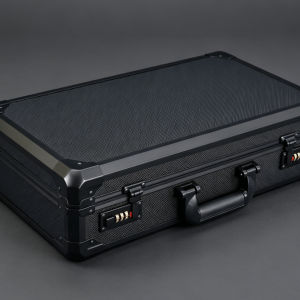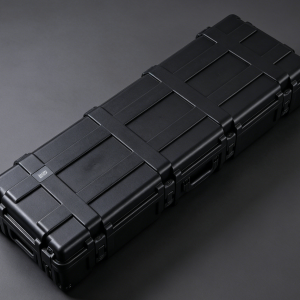
Aluminum toolboxes are usually made from aluminum alloy sheets and offer good rigidity and corrosion resistance, making them suitable for trucks, engineering vehicles, industrial maintenance, and outdoor operations. Plastic toolboxes are generally made from engineering plastics or other polymer materials. They are lightweight, available in a wide range of colors, and relatively easy to control in terms of cost, making them more suitable for household repairs, ordinary hand tool storage, and short-distance carrying. For toolboxes that need to be placed outside a vehicle for long periods, aluminum alloy generally has more advantages because vehicles experience continuous vibration while driving, and the toolbox must also withstand rain, sunlight, mud, sand, and impacts.
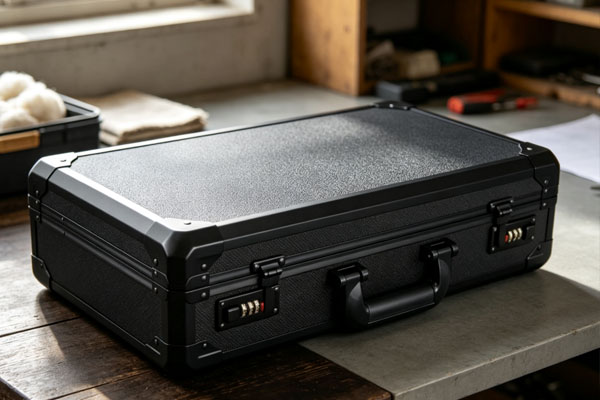
If the toolbox is only used to store lightweight tools such as screwdrivers, pliers, and wrenches and needs to be carried by hand frequently, the lightweight nature of a plastic toolbox is more practical. Both materials also have issues that need to be considered. For example, although aluminum toolboxes are durable, they may still become dented after strong impacts. Although plastic toolboxes are lightweight, some products may experience aging under low temperatures, heavy pressure, or prolonged outdoor exposure to sunlight. Therefore, when choosing a toolbox, the actual working environment, tool weight, frequency of use, and budget should all be considered.
What Are the Advantages of Aluminum Toolboxes?
More Stable Box Structure
Aluminum toolboxes are made from aluminum alloy sheets, and the box body is usually formed through processes such as cutting, bending, welding, and riveting. A properly designed aluminum alloy box has good rigidity and is suitable for storing heavier tools such as wrenches, sockets, jacks, and maintenance equipment.
More Convenient for Outdoor Use
Aluminum alloy has good corrosion resistance and can be used in outdoor environments after appropriate surface treatment. Truck toolboxes are often installed outside vehicles and need to come into contact with rain, dust, mud, sand, and sunlight. Aluminum boxes are less likely to develop obvious rust than ordinary steel, making them suitable for engineering vehicles and outdoor maintenance applications.
What Applications Are Plastic Toolboxes Suitable For?
Easier to Carry
One of the main characteristics of plastic toolboxes is their relatively light weight. If users frequently need to move a toolbox from a vehicle indoors or move it around a home or repair workshop, the lighter box can reduce the burden of carrying it.
Flexible Cost and Appearance Options
Plastic materials can be used to manufacture boxes in different shapes through processes such as injection molding, and they can also be offered in a wider range of colors. Some plastic toolboxes can also have fixed tool compartments built directly into the interior, allowing screwdrivers, wrenches, and pliers to be arranged according to their designated positions. If the product is mainly used for household repairs, DIY projects, or ordinary tool storage, plastic toolboxes often provide good practicality.
How Should You Choose Between the Two Types of Toolboxes?
Aluminum toolboxes and plastic toolboxes each have suitable application scenarios. Consider the following factors:
Heavy-duty tools: When storing heavy tools or maintenance equipment, an aluminum toolbox is more suitable.
Frequent carrying: When frequent hand carrying and movement are required, the lightweight advantage of a plastic toolbox becomes more apparent.
Long-term outdoor use: Trucks, engineering vehicles, and outdoor operations are more suitable for aluminum toolboxes with stable structures.
Ordinary household use: When storing a small number of hand tools and repair supplies, a plastic toolbox can already meet the requirements.
Consider Tool Weight
If the toolbox mainly contains lightweight tools such as screwdrivers, pliers, and measuring tapes, a plastic box can usually meet the requirements. If it needs to store power tools, sockets, jacks, hydraulic maintenance tools, or other heavy items, greater attention should be paid to the load-bearing capacity of the box.
Consider the Installation Method
If the toolbox needs to be fixed to the side of a truck or underneath an engineering vehicle, an aluminum toolbox is generally more suitable. This type of application requires more than simply having enough storage space; the box must also withstand vibration during vehicle operation and the effects of the external environment. If it is simply placed on an indoor workbench, in a garage, or in a storage room, the mobility of a plastic toolbox is more advantageous.
Frequently Asked Questions
Q1: Are aluminum toolboxes always more durable than plastic toolboxes?
A1: Not necessarily. The durability of a toolbox also depends on material thickness, structural design, manufacturing processes, and the operating environment. However, in heavy-load, outdoor, and vehicle-mounted applications, a properly designed aluminum toolbox generally has good adaptability.
Q2: Do plastic toolboxes break easily?
A2: This depends on the type of plastic and the product structure. High-quality engineering plastics have a certain level of impact resistance, but they may still deform, crack, or age after prolonged exposure to heavy pressure, strong impacts, or extreme environmental conditions.
Q3: Should a truck toolbox be made of aluminum or plastic?
A3: If the toolbox needs to be permanently installed outside a truck for a long period, an aluminum toolbox is generally recommended as the preferred option. Its structural stability, corrosion resistance, and outdoor adaptability make it suitable for vehicle use.
Q4: Are aluminum toolboxes heavier than plastic toolboxes?
A4: In general, an aluminum box may weigh more than a plastic box with the same capacity, but aluminum alloy itself is a relatively lightweight metal material. For large vehicle toolboxes, both the weight of the box and the weight of the internal tools should be considered comprehensively.
If the toolbox is mainly used for trucks, engineering vehicles, industrial maintenance, and outdoor operations, and needs to withstand vibration, rain, dust, and the pressure of heavy tools for long periods, an aluminum toolbox is generally more worthy of consideration. It offers good structural stability and corrosion resistance, while aluminum alloy is also significantly lighter than many traditional metal materials. If the toolbox is mainly used for household repairs, DIY projects, indoor workshop use, and everyday storage of lightweight tools, a plastic toolbox is more convenient due to its lighter weight. In particular, when frequent carrying is required, the lower weight of the box can provide a noticeable advantage.
During purchasing, it is also important not to compare material prices alone. The sheet thickness, welding quality, bending structure, locks, hinges, and sealing strips of an aluminum toolbox can all affect its actual performance. For plastic toolboxes, attention should be paid to the plastic material, box thickness, hinges, and latch structure. Therefore, if the priority is outdoor durability, heavy-duty tool storage, and vehicle-mounted installation, an aluminum toolbox is generally more suitable; if the priority is lightweight portability, household use, and ordinary tool organization, a plastic toolbox is more convenient. When choosing a toolbox, selecting the material based on tool weight, place of use, carrying frequency, installation method, and budget can help avoid unnecessary costs or inconvenience caused by simply favoring one particular material.