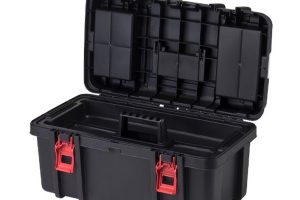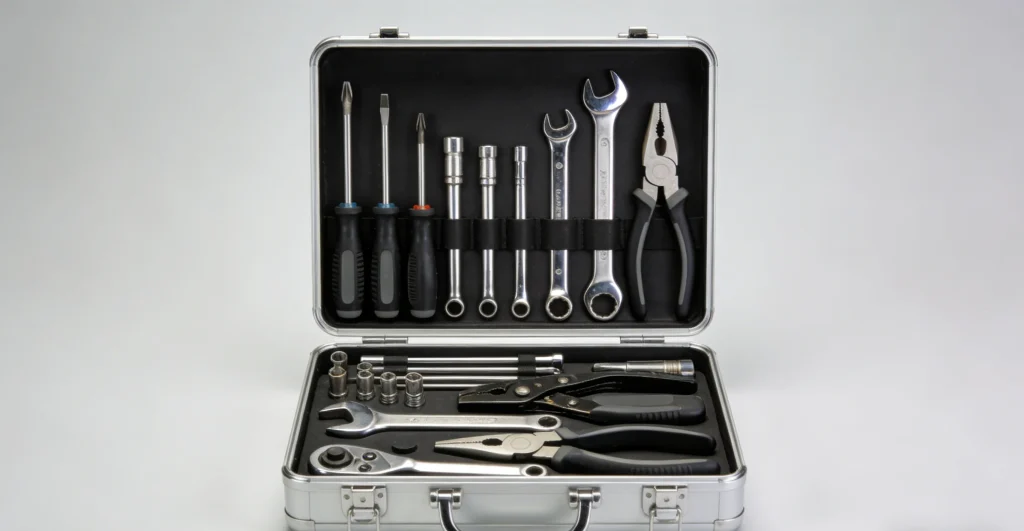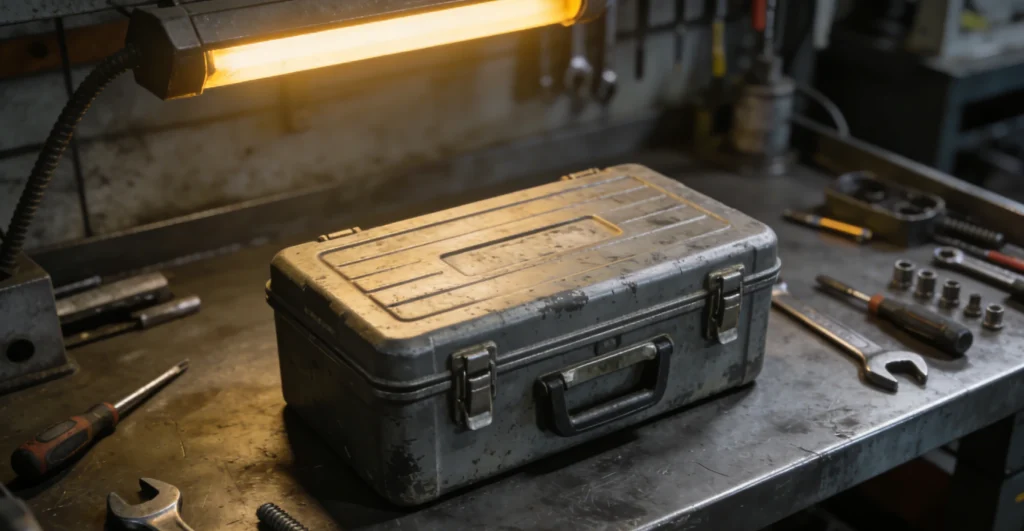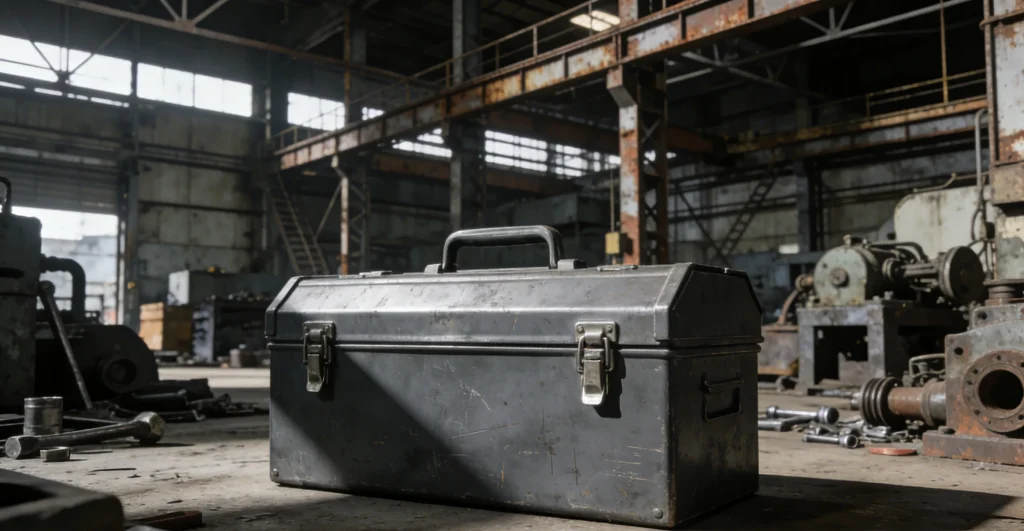
A high-quality instrument case is designed not only for storing musical instruments but also for daily carrying, stage transportation, logistics delivery, and long-term storage. Guitars, violins, saxophones, and other instruments often have delicate structures and carefully finished surfaces that can be affected by impacts, vibration, moisture, and pressure. Premium instrument cases use durable outer shells, properly designed interior padding, precise fixing systems, sealing structures, and reliable hardware to create a more stable protective environment. For musicians, schools, performance groups, and musical instrument retailers that frequently transport instruments, understanding the characteristics of a high-quality instrument case makes it easier to select suitable protective equipment for different applications.
A Strong and Durable Outer Shell Is an Important Foundation
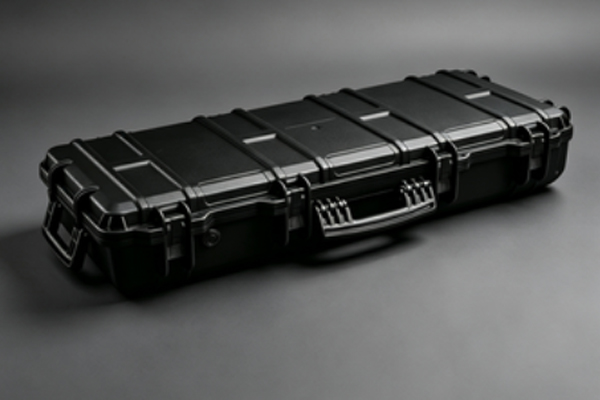
High-quality instrument cases generally feature structurally stable outer shells that can withstand impacts, pressure, and friction during everyday carrying and transportation. ABS plastic, polycarbonate, fiberglass, and composite materials are commonly used for hard-shell cases, with each material offering different characteristics in terms of impact resistance, wear resistance, and weight control. Premium case designs do not rely only on a single layer of material. Reinforced ribs, thickened edges, protective corner guards, and stable frames are often incorporated to improve overall strength. When an instrument case experiences external force, these structural elements can distribute pressure and reduce the concentration of impact in a single area. For cases intended for long-distance transportation, users should also consider deformation resistance, connection strength, and bottom load-bearing capacity. A durable outer shell not only improves protection but also contributes to the service life of the instrument case itself.
Interior Cushioning and Precise Support Improve Instrument Protection
The interior structure directly affects how securely an instrument remains positioned inside the case. High-quality products commonly use EVA foam, high-density foam, and soft fabric linings. These materials can be shaped according to the contours of different instruments, providing appropriate support for the body, neck, headstock, and other sensitive components. Excessive internal space can allow the instrument to move, while overly tight support may create unnecessary pressure. A well-designed case needs to maintain a suitable balance between secure positioning and cushioning.
Common premium interior designs include:
- Customized foam compartments: Create a fitted space according to the instrument dimensions and reduce movement during transportation.
- High-density cushioning layers: Absorb part of the vibration and impact force, reducing the transmission of external shocks.
- Soft interior lining: Prevents the instrument finish, wood, or metal components from directly rubbing against hard materials.
- Reinforced support for critical areas: Provides additional protection for the neck, bridge, headstock, and precision keys.
- Dedicated accessory compartments: Keep strings, tuners, and other small accessories from moving around and hitting the instrument.
A properly designed interior keeps the instrument stable while reducing wear caused by vibration and friction, making it an important feature when evaluating instrument case quality.
Reliable Moisture and Dust Protection Is Suitable for Long-Term Storage
Environmental changes can affect instrument storage conditions, particularly for wooden instruments that are relatively sensitive to fluctuations in humidity. High-quality instrument cases commonly use relatively enclosed structures and sealing strips around the lid to reduce the entry of dust, moisture, and rapidly changing external air conditions. Effective sealing should also work together with reliable locks so that the lid remains securely closed.
For musicians who frequently perform outdoors or transport instruments over long distances, an instrument case with water-resistant and dust-resistant properties can provide better protection in demanding environments. It is important to understand that a sealed case cannot completely replace professional humidity management. Valuable instruments stored for extended periods may still require suitable humidity-control accessories. A stable storage environment can reduce the effects of environmental fluctuations and provide a better foundation for long-term instrument care.
Durable Hardware and Portable Designs Improve User Experience
Instrument cases are frequently opened, closed, carried, and transported, making the quality of locks, hinges, handles, and strap connection points equally important. High-quality products use durable hardware with good wear resistance and load-bearing capacity, while reinforced structures are added around areas exposed to greater stress. Locks should close smoothly while maintaining sufficient locking force to prevent accidental opening during transportation. Hinges should provide stable connections capable of handling repeated use. Handles should also be designed according to the weight of the case to reduce discomfort during extended carrying.
Some professional models include adjustable shoulder straps, wheels, or multiple carrying options, allowing users to select a more convenient transportation method according to the distance and environment. Durable hardware reduces failures caused by frequent use while making the case more suitable for performances, education, travel, and logistics transportation.
Select the Right Case According to the Instrument and Application
High quality does not mean that every instrument case needs exactly the same configuration. Different instruments and applications require different designs. Guitar cases need sufficient support for the body and neck, violin cases require appropriate protection for the bow, neck, and body, while saxophone cases need dedicated compartments for keys, tubes, and connection components.
For daily lessons and short-distance carrying, users can prioritize cases with moderate weight and good cushioning. Professional performances and frequent travel may require durable, impact-resistant hard-shell cases with reliable hardware. Air transportation and logistics shipping require stronger pressure resistance, shock absorption, sealing performance, and reinforced corners.
Before purchasing, users should confirm that the interior dimensions match the instrument and carefully inspect the quality of the foam supports, locks, hinges, and handles. By considering material quality, interior construction, sealing performance, hardware configuration, and actual usage requirements together, buyers can more easily choose a durable, safe, and reliable high-quality instrument case suitable for long-term use.