A violin is a delicate string instrument with a carefully constructed body, neck, bridge, pegbox, and tuning pegs that all require proper protection. A violin case is essential for daily practice, music lessons, orchestra rehearsals, performances, and transportation. The two most common options are hard cases and soft cases. Neither type is universally better, because the right choice depends on travel frequency, transportation distance, carrying habits, storage conditions, and the level of protection required. Hard violin cases generally feature a rigid exterior that provides stronger physical protection and are suitable for long-distance transportation, frequent performances, and situations where the instrument needs greater protection. Soft violin cases are usually lighter and more flexible, making them suitable for daily lessons, short commutes, and city travel. Understanding the differences between these two case designs can help violin players select a protective solution that better matches their everyday needs.
Structural Features and Protective Performance of Hard Violin Cases
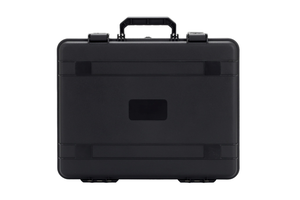
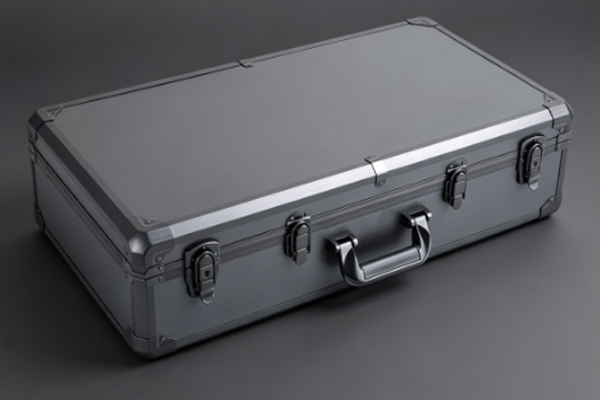
Hard violin cases generally use a rigid outer shell to create an independent protective enclosure. Common materials include ABS plastic, polycarbonate, fiberglass, and various composite materials. A rigid shell helps maintain the shape of the case and can reduce the chance of external pressure being transferred directly to the violin body when the case experiences minor impacts or compression. Some hard cases also feature reinforced ribs, thickened edges, and protective corners to improve overall impact resistance. Inside the case, there are usually dedicated supports for the violin body, neck, bow, and accessories. These components help keep the instrument in a relatively stable position and reduce excessive movement during transportation. For users who travel by car, high-speed rail, or airplane, a hard case can provide a more complete physical barrier around the violin. Although hard cases are generally heavier than soft cases, their structural stability provides stronger protection in demanding environments. For valuable violins, musicians who perform frequently, and users who regularly transport their instruments between cities, a hard violin case is often a practical choice.
Which Daily Situations Are Suitable for Soft Violin Cases?
Soft violin cases are generally made from fabric, nylon, canvas, or other flexible materials, with foam or padded layers added to provide basic cushioning. Their main advantage is low weight, making them easier to carry, store, and transport. Students traveling between home, school, music academies, and teachers’ studios every day can benefit from the lighter design. When equipped with dual shoulder straps, a soft violin case can be carried similarly to a backpack, making it convenient for walking and public transportation. For short-distance travel within a city, its flexibility can be particularly useful. Some soft cases also feature exterior pockets for storing strings, rosin, tuners, cleaning cloths, and other small accessories. However, the flexible outer layer cannot create the same rigid protective barrier as a hard shell. If the case is placed under heavy luggage or experiences significant impact, the violin may face greater risk. For this reason, soft cases are generally more suitable for controlled environments, short-distance transportation, and situations where the user can actively avoid impacts and heavy pressure.
How to Choose Between a Hard Case and a Soft Case
When purchasing a violin case, it is more useful to consider actual usage habits than to simply compare the prices of hard and soft models. Musicians who frequently perform outside the home usually need a more stable protective structure, while students traveling to lessons every day may place greater importance on lightweight construction and comfortable carrying. The violin’s dimensions, interior support system, storage capacity, and opening mechanism should also be considered.
The following requirements can help guide the choice:
- Daily short-distance transportation: If the violin mainly travels between home, school, and a music academy, a lightweight soft case can be a convenient option.
- Frequent performances: For regular travel to theaters, concert halls, and performance venues, a hard case can provide more stable external protection.
- Long-distance transportation: When traveling by high-speed rail, car, or between cities, a hard case is generally better suited to more demanding transportation conditions.
- Daily student use: If the violin needs to be carried on foot for extended periods, a lightweight soft case can reduce the burden on the shoulders and arms.
- Storage of valuable violins: For valuable instruments or violins that require long-term storage, a hard case with a stable structure and appropriate internal support can be a preferred option.
- Frequent outdoor activities: Users who often carry their instruments through changing environments should pay attention to abrasion resistance, dust protection, and moisture resistance when choosing a case.
The best violin case should provide appropriate protection without creating unnecessary inconvenience during everyday transportation.
Carrying Comfort and Storage Features Affect Daily Convenience
A violin case is not only used during transportation between cities. Many violin players carry their instruments every day, making comfort an important consideration. Hard cases are commonly equipped with carrying handles, while some models also include shoulder straps or backpack-style carrying systems to improve mobility. When the case is relatively heavy, the comfort of the handle, width of the shoulder straps, and positioning of load-bearing points become increasingly important. Soft cases are often more flexible in this respect. Dual shoulder straps allow users to keep both hands free while walking and make it easier to carry other bags at the same time. Storage design also influences convenience. Some violin cases provide dedicated compartments for bows, rosin, strings, tuners, cleaning cloths, and other accessories, helping prevent small items from becoming scattered. For users who carry a violin every day, well-designed storage areas can save time when accessing accessories. Hard cases usually provide fixed storage compartments, while soft cases can offer flexible exterior pockets. When purchasing a case, consider the number of accessories normally carried and choose a storage design that provides sufficient space.
Choose the Right Violin Case According to Your Environment
Both hard and soft violin cases have their own suitable applications, and the right option depends largely on the user’s environment. If the violin is mainly transported between home, school, or a nearby music academy, where the environment is relatively controlled and the travel distance is short, a soft case can provide a lightweight and convenient experience. If the violin is used for orchestra rehearsals, professional performances, music competitions, or cross-city activities, the instrument may encounter more impacts and compression during transportation. In such situations, a hard case can provide stronger protection. For people who frequently travel by airplane, it is particularly important to consider shell strength, lock quality, internal fixation, and overall dimensions. Users who need to store a violin for extended periods can also pay attention to interior padding, sealing performance, and accessory storage to create a more stable storage environment.
It is also important to confirm that the case matches the dimensions of the violin. If the interior is too large, the instrument may move excessively during transportation. If it is too small, the body or neck may experience unnecessary pressure. The bridge, pegbox, and tuning peg areas should have sufficient clearance to prevent contact when the case is closed. Frequent travelers should also inspect the durability of zippers, locks, handles, and shoulder strap attachment points. Hard cases are generally more suitable for users who prioritize structural stability and stronger protection, while soft cases are more suitable for those who prioritize lightweight construction, flexibility, and everyday carrying convenience. If the transportation environment varies significantly, using different cases for different situations can also be practical, allowing the violin to receive appropriate protection during practice, commuting, performances, and transportation.