In modern manufacturing workshops, automotive repair shops, equipment maintenance centers, and industrial production facilities, tool management is no longer simply about putting tools away. As the number and variety of tools continue to increase, poor organization can lead to mixed tools, longer search times, difficult handovers, and misplaced equipment. In addition to drawers, compartments, labels, and other traditional management methods, toolbox color classification can become an important part of visual workshop management.
For professional workshops that need to manage large numbers of tools, toolboxes in different colors can help workers quickly identify tool categories and work areas, creating a more intuitive and efficient tool management system. Siphia Tool Box also provides various toolboxes and professional storage solutions that can be adapted to different workshop applications.
Why Does Toolbox Color Affect Workshop Management?
Color Improves Tool Identification Speed
In a large workshop, workers may use wrenches, screwdrivers, sockets, power tools, measuring instruments, and various spare parts every day. If all toolboxes have the same appearance and color, workers may need to check labels or open the toolbox before determining its contents.
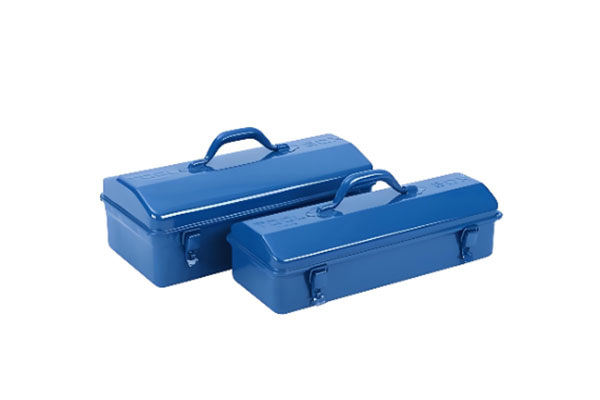
Color coding provides a quick visual identification method. For example, mechanical repair tools can be stored in blue toolboxes, electrical testing tools in yellow toolboxes, precision instruments in gray toolboxes, and emergency repair tools in red toolboxes. Workers can identify the required toolbox from a distance, reducing search time and improving daily work efficiency.
This approach works particularly well with professional workshop tool storage systems that emphasize tool classification, quick access, and fixed storage locations.
Color Helps Establish Standardized Management
Color classification is not simply about making a workshop look more organized. It can also create a consistent visual management system.
For example, if a workshop establishes a rule that red represents emergency repair tools, blue represents mechanical tools, and yellow represents electrical tools, employees can quickly understand the purpose of different toolboxes. For new employees, this visual system can also make it easier to learn the workshop’s tool management procedures.
Practical Applications of Toolbox Color Classification
Classifying Toolboxes by Tool Type
Classifying toolboxes according to tool type is one of the easiest methods to implement in a workshop.Mechanical tools can be assigned one color, electrical maintenance tools another, while measuring instruments and precision equipment can have their own dedicated colors. For companies managing large numbers of tools, this system can reduce the possibility of mixing different tool categories.
For example:
- Blue toolboxes: Mechanical maintenance and assembly tools
- Yellow toolboxes: Electrical testing and wiring tools
- Red toolboxes: Emergency maintenance and rapid-response tools
- Gray toolboxes: Precision measuring instruments
- Green toolboxes: Production-line specific tools
The specific colors can be adjusted according to the company’s internal management system. The key is to establish clear rules and apply them consistently.
Classifying Toolboxes by Work Area
Color can also be used to distinguish different workshop areas or workstations.For example, an automotive repair facility can use different toolbox colors for engine repair, chassis maintenance, and electrical diagnostics. When workers see the color, they can quickly determine which work area the toolbox belongs to.This method is especially useful for mobile tool carts. Rolling toolboxes can be moved between different workstations, while multiple drawers make it easier to organize tools according to specific tasks.
Classifying Tools by Frequency of Use
In addition to tool type, color classification can also be based on how frequently tools are used.Frequently used tools can be stored in highly visible toolboxes and placed close to the relevant work area. Less frequently used tools can be assigned another color and stored in a centralized location. This approach helps keep workstations clean while reducing the time employees spend searching for tools.For modular toolbox systems, color management can also be combined with drawers, trays, and individual compartments to create a more efficient storage system.
How Can You Establish an Effective Toolbox Color Management System?
Avoid Using Too Many Colors
More colors do not necessarily mean better management. If a workshop uses more than a dozen different colors, employees may find the system difficult to remember and follow.A better approach is to select several core colors that represent major tool categories or work areas. Labels, numbers, and text can then be used to provide additional information.
Combine Colors with Labels
Color is suitable for quick identification, while labels provide more precise information.For example, a red toolbox can represent “Emergency Maintenance,” but it should also include information such as “Emergency Tools,” a toolbox number, department name, or other identification details. Combining color with clear labeling makes the management system more reliable.
Establish Consistent Visual Standards
The effectiveness of color management depends on consistent implementation.If the mechanical maintenance area uses blue to represent mechanical tools, the purchasing, warehouse, maintenance, and production departments should follow the same rule. For larger companies, color standards can be included in tool management procedures and reinforced through employee training and regular tool inspections.
How Can Toolbox Color Classification Work with Professional Toolboxes?
Combine Toolbox Colors with Structural Design
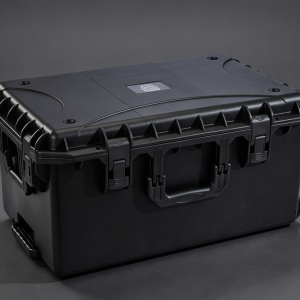
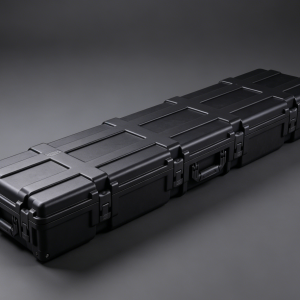
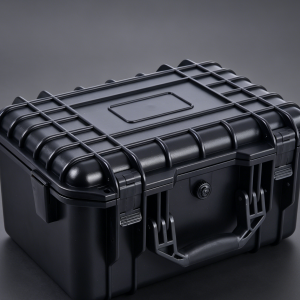
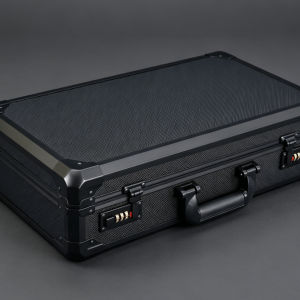
Color solves the problem of quick identification, while toolbox structure solves the problem of organized storage. Rolling toolboxes, multi-drawer tool cabinets, modular toolboxes, and protective cases can be selected according to the number and type of tools being stored.For example, high-frequency maintenance stations can use clearly color-coded rolling toolboxes. Precision testing equipment can be stored in protective cases with cushioning inserts, while fixed production workstations can use large-capacity tool cabinets.Matching different storage solutions to specific tool applications can further improve workshop efficiency.
Use Toolbox Colors to Support Brand Management
For automotive repair chains, after-sales service centers, and professional maintenance teams, standardized toolbox colors can serve not only a management function but also help strengthen corporate identity.
Customized colors, logos, identification numbers, and category labels can create a consistent visual appearance throughout the service area. For businesses that provide professional maintenance services to customers, standardized tool management can also demonstrate the professionalism of the service team.
The Core Value of Toolbox Color Classification
Toolbox color is more than an aesthetic design feature. It is a simple and intuitive method of visual workshop management. Proper color classification helps employees quickly identify tool categories, work areas, and applications. When combined with labels, numbers, drawer organization, and fixed storage locations, it can create a clearer and more efficient tool management process.
For automotive repair shops, mechanical manufacturing facilities, equipment maintenance companies, electronic repair workshops, and industrial production environments, choosing the right toolbox is only the first step. More importantly, companies need to establish a classification system that matches their actual workflow.By combining color, toolbox structure, and clear identification, tool management can move beyond simply “finding tools” toward a more efficient system based on quick identification, fast access, and proper tool return. This approach can help workshops improve operational efficiency, maintain organized work areas, and achieve more professional tool management.