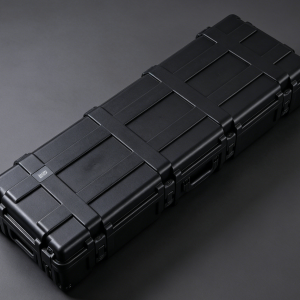
A toolbox is an essential storage and transportation solution for repair technicians, electricians, construction workers, equipment maintenance professionals, and other skilled workers. In addition to capacity, material, structure, and protection, toolbox color is also worth considering. The right color can reflect the work environment and professional application while helping workers quickly identify tool categories, work areas, and tool ownership.
For professionals who frequently carry and use tools, choosing a toolbox color that matches the working environment can make tool management more efficient. Different professions have different working conditions, tool types, and management requirements, so toolbox colors can also be selected according to specific applications. Siphia offers toolbox solutions for professional applications such as automotive repair, industrial maintenance, and construction, with an emphasis on tool organization, transportation, and workplace management.
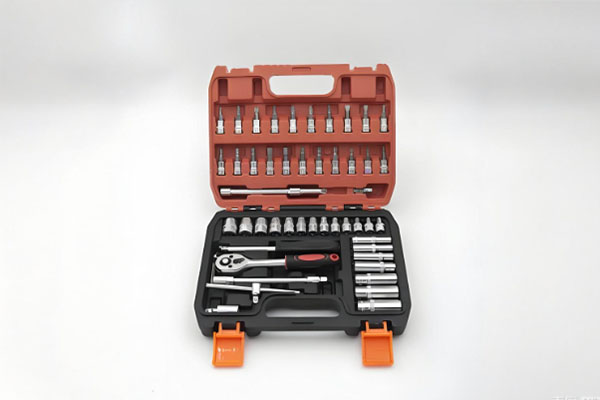
What Toolbox Color Should Repair Technicians Choose?
Black Toolboxes for Automotive and Mechanical Repair
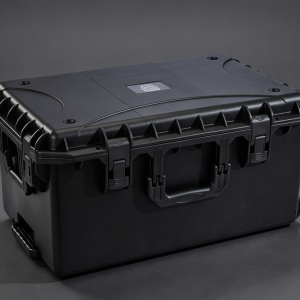
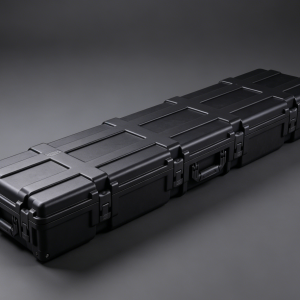
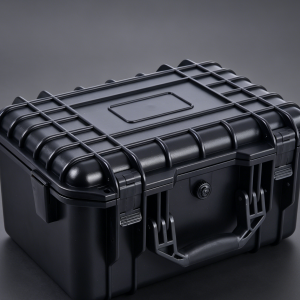
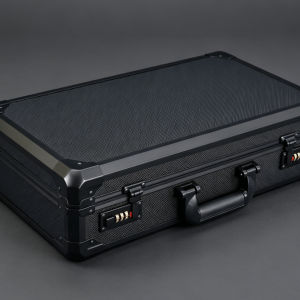
Black is a practical and popular toolbox color for professional repair environments. Automotive repair and mechanical maintenance often involve engine oil, grease, metal dust, and other contaminants. A dark-colored toolbox can maintain a clean and professional overall appearance even in demanding workshop environments.
For technicians who use toolboxes regularly in repair shops, black multi-drawer tool cabinets, rolling toolboxes, or mobile tool carts can be useful choices. Wrenches, sockets, screwdrivers, power tools, and other equipment can be organized into separate drawers or compartments.
Automotive repair often requires technicians to move between different areas of a vehicle. A rolling toolbox can reduce unnecessary trips to retrieve tools while providing multiple drawers for efficient tool organization.
Red Toolboxes for Fast Maintenance
Red has strong visual visibility, making it suitable for emergency repairs, equipment troubleshooting, and rapid-response maintenance tools.
For example, a workshop can designate red toolboxes specifically for emergency maintenance equipment. When production equipment breaks down, technicians can quickly identify the appropriate toolbox instead of searching through multiple boxes with similar appearances.
However, toolbox color is primarily a visual identification method and should not replace official safety signs, warning labels, or equipment status indicators.
What Toolbox Color Should Electricians Choose?
Yellow Toolboxes for Electrical Tool Management
Electricians often work in factories, construction sites, electrical rooms, and equipment maintenance areas. When selecting a toolbox color, highly visible colors such as yellow can make the toolbox easier to identify in complex work environments.A yellow toolbox can be used to store insulated screwdrivers, electrical pliers, multimeters, cable tools, crimping tools, and other electrical maintenance equipment.
For electricians, color classification is mainly intended to help workers quickly locate tools. It should never be used as a substitute for electrical safety procedures. Work involving live electrical systems or high-voltage equipment must follow applicable professional safety requirements.
Blue Toolboxes for Routine Electrical Maintenance
For electricians who mainly perform routine maintenance in residential buildings, commercial facilities, or factories, blue can also be a practical toolbox color.
Companies can establish their own color coding system. For example, blue can represent general maintenance tools, yellow can represent electrical tools, and red can represent emergency repair tools. A consistent color system allows employees to quickly understand the purpose of different toolboxes.
What Toolbox Color Should Construction Workers Choose?
Orange Toolboxes for Construction Sites
Construction sites often involve large working areas, multiple workers, heavy equipment, dust, and constantly changing work locations. For construction professionals who frequently move their tools outdoors, toolbox visibility is an important consideration.Orange has strong visual visibility, making it a practical option for construction toolboxes. On large construction sites, an orange toolbox can help workers locate their tools more quickly.Construction toolboxes should also be selected according to durability, impact resistance, dust protection, water resistance, and load capacity. For demanding construction applications, heavy-duty toolboxes can provide better protection and transportation support.
Black and Dark Gray Toolboxes for Indoor Construction
For interior decoration, equipment installation, carpentry, and other indoor construction applications, black or dark gray toolboxes can be suitable choices. These colors provide a professional and understated appearance that works well with common construction equipment and indoor workspaces.
If a toolbox is used to store precision equipment such as laser distance meters or testing instruments, color should not be the only consideration. Shock resistance, dust protection, water resistance, and internal cushioning should also be evaluated.
How Can Different Industries Establish Toolbox Color Classification?
Classify Colors According to Tool Type
Companies can establish a toolbox color coding system based on tool applications. For example:
- Blue: Mechanical maintenance tools
- Yellow: Electrical and electrical testing tools
- Red: Emergency repair tools
- Orange: Construction tools
- Gray: Measuring and precision instruments
The exact color scheme does not have to be universal. Companies can adjust the system according to their own management practices. The most important factor is consistency so that all employees understand and follow the same rules.
Classify Colors According to Work Areas
Large factories can also use toolbox colors to identify different work areas. For example, blue toolboxes can be assigned to engine maintenance areas, yellow toolboxes to electrical maintenance areas, and red toolboxes to equipment emergency response areas.This approach can reduce tool mixing and help employees quickly identify which tools belong to a specific department or workstation.
Classify Colors According to Frequency of Use
Frequently used tools can be stored in highly visible toolboxes and positioned close to workstations, while less frequently used tools can be stored in centralized locations.When color management is combined with fixed storage locations, toolbox numbers, drawer organization, and labels, it can further reduce the time required to find tools. Color coding provides a simple visual management method that helps workers identify, use, and return tools more efficiently.
What Else Should You Consider When Choosing Toolbox Colors?
Working Environment
Workshops, construction sites, outdoor repair locations, and indoor work areas have different environmental conditions. When choosing a toolbox color, consider lighting, dust, oil contamination, and how frequently the toolbox needs to be moved.
Toolbox Material and Structure
Color is only one aspect of a toolbox. Professional users should also consider capacity, load-bearing ability, locks, drawer design, wheels, handles, and internal storage space.Automotive repair professionals may benefit from multi-drawer rolling toolboxes. Electricians can consider portable toolboxes with organized compartments, while construction workers may prioritize impact resistance, portability, and outdoor protection.
Corporate Visual Management
For repair companies, engineering contractors, and large manufacturing facilities, toolbox colors can be associated with departments, job positions, or work areas. Adding logos, identification numbers, and text labels can create a more standardized tool management system.
There is no single toolbox color that is universally correct for every profession. The best choice depends on the actual working environment, tool types, and management requirements.Repair technicians can consider black or red toolboxes, electricians can choose yellow or blue toolboxes, while construction workers can consider orange, black, or dark gray toolboxes.More importantly, toolbox color should not be treated as merely an aesthetic feature. By combining toolbox color, tool type, work area, job responsibilities, and storage structure, companies can create a more effective visual tool management system.For professional repair, industrial maintenance, electrical installation, and construction companies, a clear toolbox color management system can make tools easier to identify, access, and return to their proper locations. Combined with professional toolboxes, mobile tool carts, and protective cases, color classification can contribute to a cleaner, more efficient, and more organized workplace.