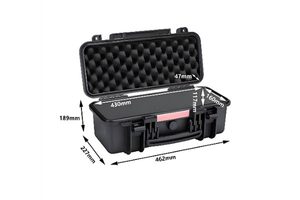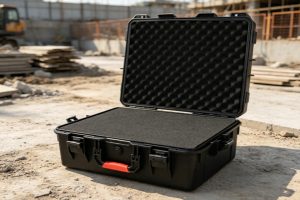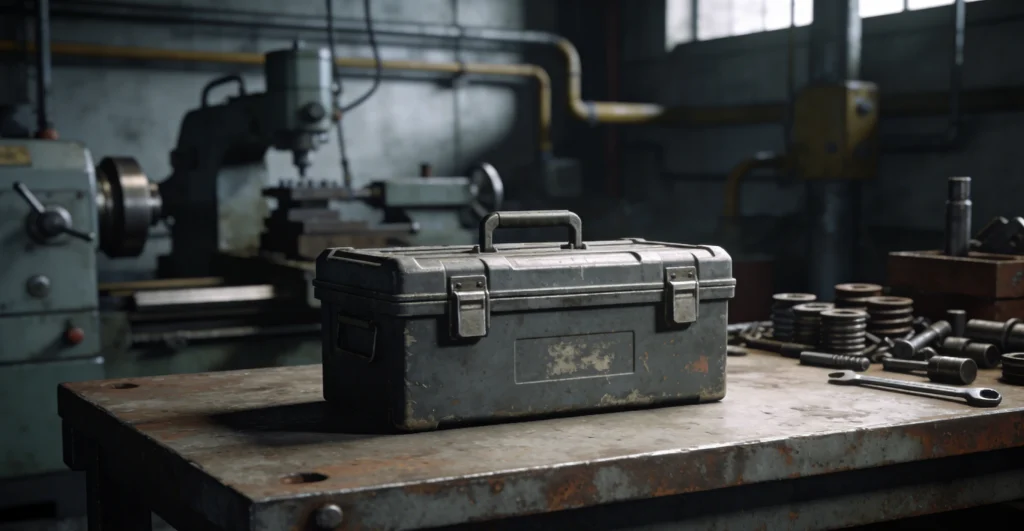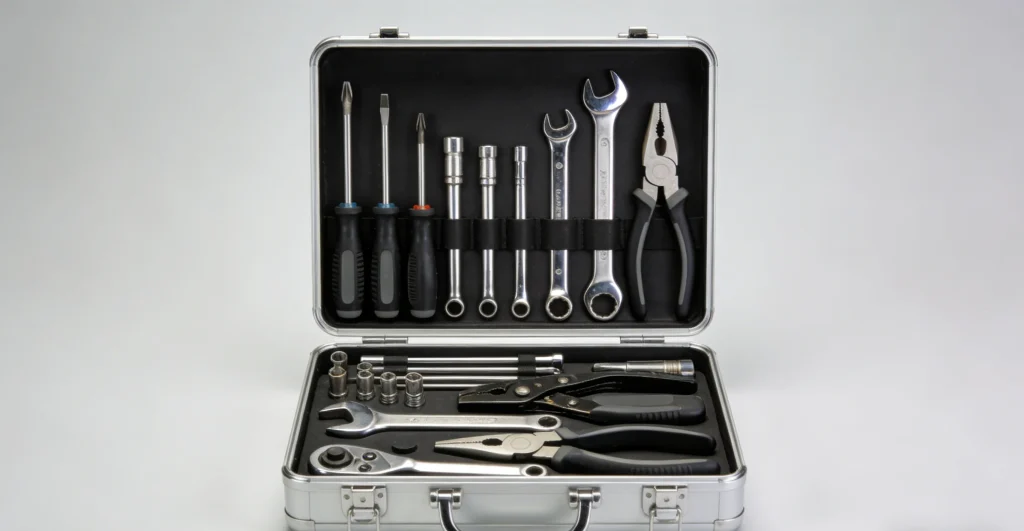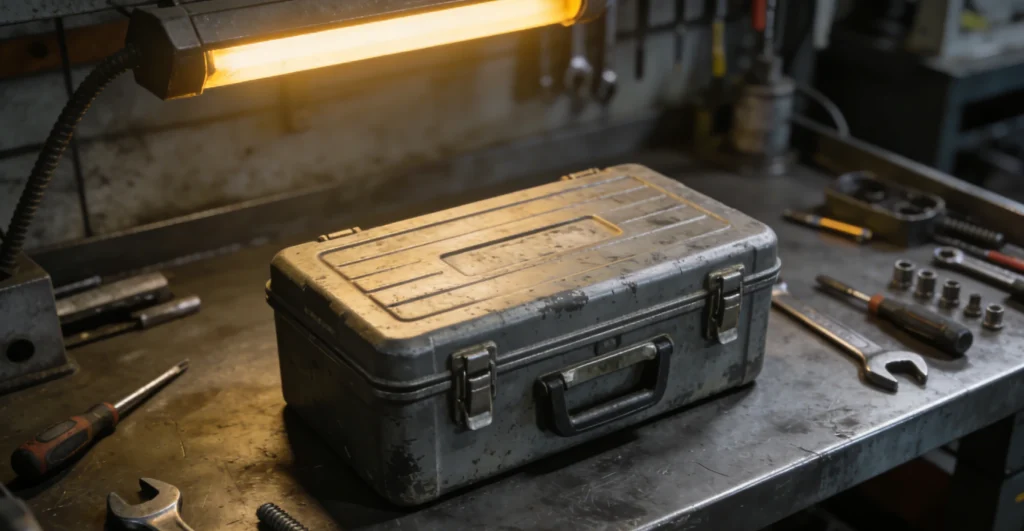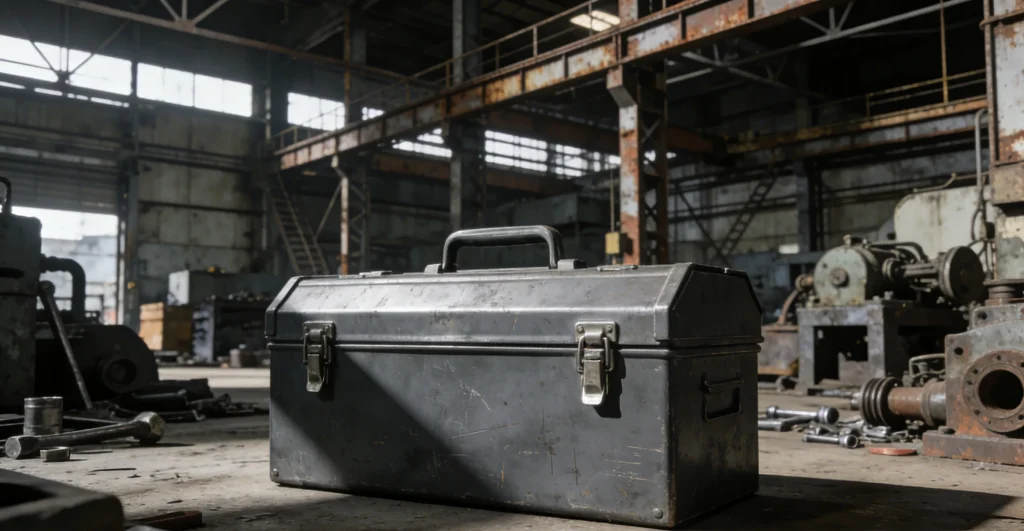
A portable tool box is mainly used to centrally store screwdrivers, wrenches, pliers, hammers, sockets, power tools, and various repair accessories. It is frequently used for household repairs, mechanical maintenance, automotive repairs, equipment installation, and outdoor work. Although a tool box is a common storage product, attention should still be paid to tool weight, box structure, latch condition, handle strength, and the arrangement of tools inside during daily use. Improperly placed tools may cause the box to tilt, tools to slide, or excessive local stress. If the lid is not closed and the latches are not secured during handling, tools inside may also fall out. For tool boxes containing sharp, pointed, or heavy tools, proper classification and securing are even more important to prevent accidents when opening, carrying, and accessing the tools.
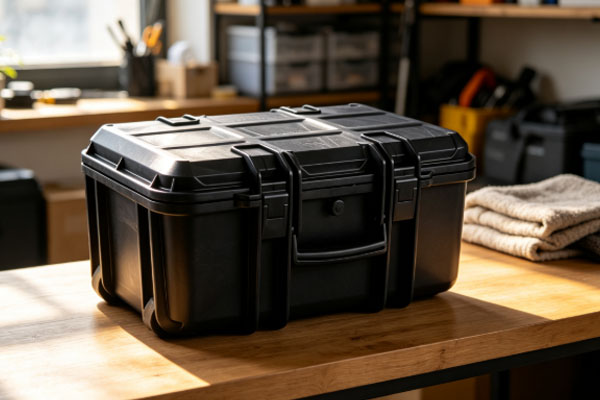
Safe use of a portable tool box involves more than checking whether the box itself is in good condition. It also includes proper tool placement, reasonable loading, carrying methods, and organization after use. In particular, aluminum portable tool boxes have the advantages of being lightweight, corrosion-resistant, and easy to process, but different material thicknesses, frame structures, and connection methods provide different load-bearing capacities. If a tool box remains overloaded for a long period, the bottom may deform, the handle may loosen, the hinges may become damaged, or the latches may fail to close properly. Therefore, the load should be controlled according to the specifications of the tool box during daily use, while the interior should be kept organized. Proper storage and inspection can reduce tool movement, box damage, and tool drops during handling, allowing the portable tool box to remain stable and safe during use.
What Should Be Considered When Using a Portable Tool Box Daily?
Check the Box Structure
Before using the tool box, check the box body, lid, frame, handle, hinges, and latches for any obvious damage. For an aluminum tool box, pay particular attention to whether the panels have dents, cracks, or significant deformation. If the box has suffered a major structural deformation after an impact, continuing to load heavy tools may increase the load on the connection points. The handle also needs to be inspected regularly because the entire weight inside the tool box is transferred through the handle during carrying. If loose screws, deformed connection points, or similar problems are found, they should be addressed before continuing to use the tool box.
Control the Tool Loading Weight
A large internal space does not mean that an unlimited number of tools can be added to the tool box. Metal tools such as wrenches, sockets, hammers, and power tools can be relatively heavy. If the designed load-bearing range of the box is exceeded for a long period, the bottom plate and frame may be subjected to excessive pressure. When loading tools, the weight of the tool box itself and the weight of the tools inside should both be considered to avoid overloading simply to make full use of the available space. For tool boxes that are frequently carried, appropriately controlling the overall weight can also reduce the load during handling.
Which Storage Methods Are Safer?
A portable tool box usually contains a relatively large number of tools. If they are all piled together, other tools may need to be moved when accessing one item, and sharp tools may also collide with each other. Therefore, proper storage can reduce tool movement and collisions while keeping the tool box more stable during handling.
Place Heavy Tools at the Bottom: Heavy tools such as sockets, wrenches, and hammers should be placed as close to the bottom of the box as possible. This reduces weight concentration in the upper part of the box and can also reduce tool movement during handling.
Secure Sharp Tools Separately: Screwdrivers, cutting tools, and repair tools with sharp edges should be placed in fixed slots, tool bags, or separate areas to avoid direct contact with other tools.
Organize Small Accessories by Category: Small parts such as screws, nuts, washers, and cable ties can easily become scattered. Lidded storage boxes or separate compartments can be used for classification to prevent parts from falling out when the lid is opened.
Keep Frequently Used Tools Easy to Access: Frequently used tools such as screwdrivers, pliers, and tape measures can be placed in an upper tray or other easily accessible positions to reduce the need to repeatedly move tools inside the box.
How Can You Keep the Tool Box Safe During Transportation?
When stationary, a portable tool box mainly bears the weight of the tools inside. During transportation, however, it is also subjected to impacts caused by lifting, lowering, turning, and vehicle movement. Therefore, before carrying the tool box, make sure that the lid is completely closed and the latches are securely locked. When the number of tools is large, a heavy tool box should not be carried with one hand for a long period. Both hands can be used when necessary.
Check the Latches Before Carrying
After closing the tool box, make sure that the latches are fully engaged. If the lid is not properly closed, even slight movement during transportation may cause it to suddenly open, allowing the tools inside to fall out. When heavy tools are stored inside, this may also cause injury to the feet or other parts of the body. Therefore, the latches should be checked before carrying, especially for tool boxes that have been used for a long time.
Keep the Box Stable During Transportation
The tool box should not be swung excessively during transportation, and it should not be thrown down or dragged. Heavy tools create considerable inertia, and when the box suddenly stops, the tools inside can generate impact forces. If the tool box needs to be placed in a vehicle trunk or service vehicle, it should be kept as stable as possible, and additional securing measures should be added when necessary to prevent the tool box from moving back and forth while the vehicle is in motion.
Frequently Asked Questions
Q: Can a tool box still be carried directly after it is filled with tools?
A: This needs to be determined according to the rated load-bearing capacity of the tool box and the actual loading weight. If the tools inside are heavy, make sure that the handle, latches, hinges, and box structure are all in normal condition. Carrying is not recommended when the load-bearing range has been exceeded.
Q: Do the screwdrivers inside the tool box need to be secured?
A: It is recommended to secure them. Screwdrivers are relatively long, and their metal shafts have a certain level of hardness. When mixed with other tools, they can easily collide with them. Securing them with tool slots, foam inserts, or tool bags makes them easier to access and can also reduce tool movement.
Q: Does a tool box need to be locked when placed in a vehicle?
A: It is recommended to close and lock the box securely. Vehicles generate continuous vibration during operation, and an unsecured tool box may open by itself, while the tools may also move inside the box. For heavier tool boxes, movement inside the vehicle compartment should also be prevented.
Q: Can a deformed tool box still be used?
A: This depends on the degree of deformation. Minor external dents do not necessarily affect use, but if the deformation affects lid closure, latch connections, handle mounting, or hinge operation, heavy tools should no longer be loaded and the tool box should be inspected and repaired promptly.
A tool box can provide centralized storage for repair tools under normal conditions, but long-term overloading, randomly arranged tools, incompletely closed latches, and improper handling methods can all increase risks during use. Checking the box body, handle, hinges, and latches before daily use can help identify looseness and damage in time. Controlling the overall loading weight and placing heavier tools at the bottom can reduce local stress on the box. For screwdrivers, cutting tools, and other items with sharp structures, tool slots, foam, or separate tool bags should be used to secure them and prevent direct collisions with other tools.
The tool box should also be organized promptly after use. Classifying different types of tools according to size and purpose can reduce searching and collisions the next time they are needed. Small screws, washers, and other accessories should be stored in separate boxes to prevent parts from becoming scattered at the bottom of the box. When vehicle transportation is required, the lid should be closed and the latches securely locked, while the tool box should be prevented from moving freely inside the vehicle compartment. For portable tool boxes used over long periods, the bottom plate should also be checked regularly for sagging, the frame for deformation, the handle for looseness, and the latches for proper closure. Maintaining reasonable loading, securing tools, using proper handling methods, and carrying out regular inspections can help a portable tool box maintain a stable and safe condition during household repairs, mechanical maintenance, automotive repairs, and outdoor work.