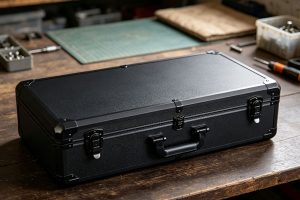
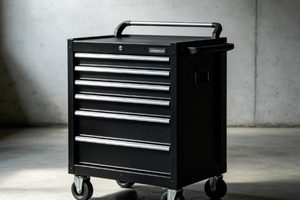
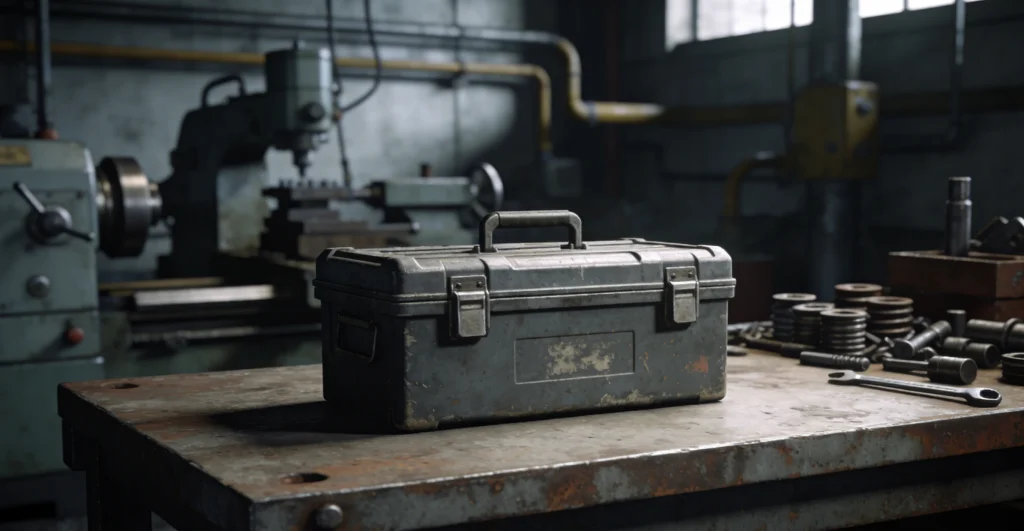
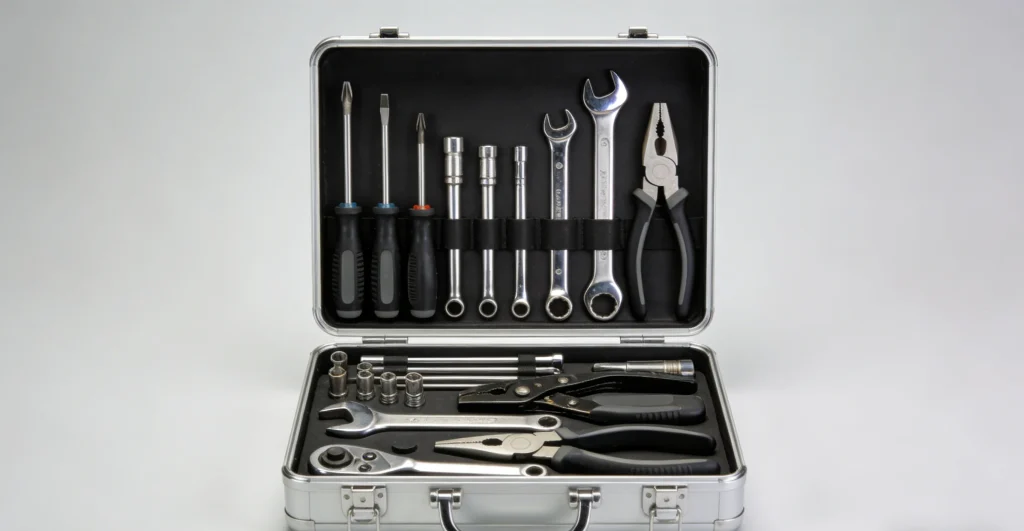
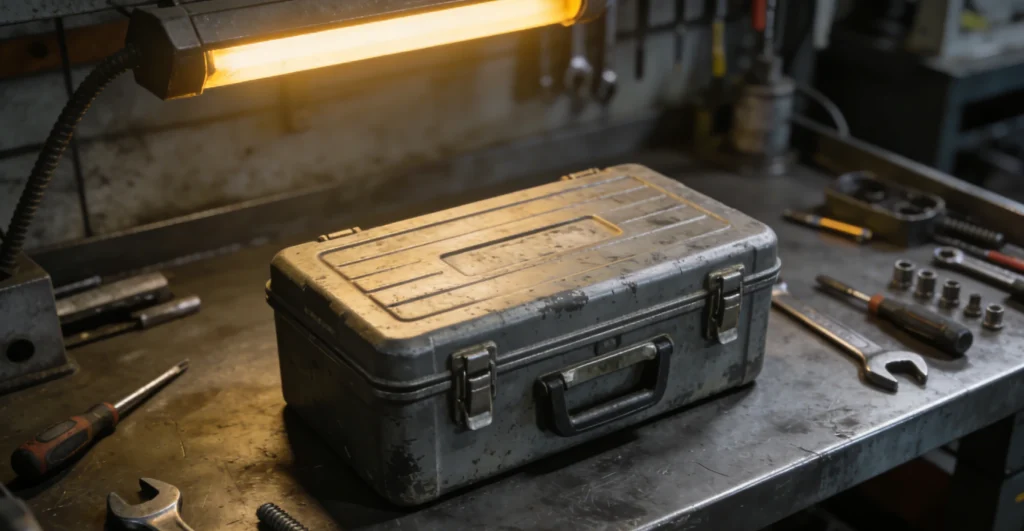
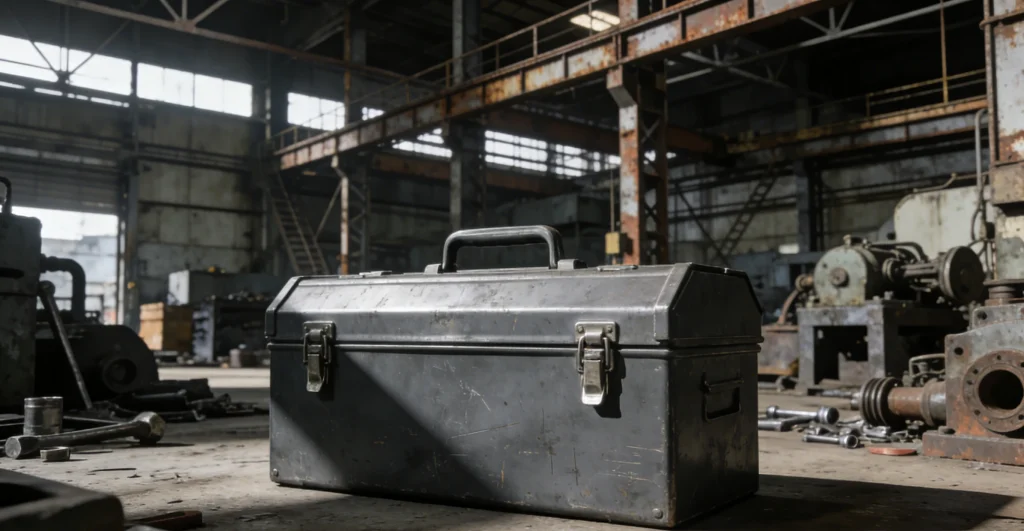
In manufacturing plants, auto repair shops, engineering projects, and equipment maintenance operations, businesses often deal with large numbers of tools, frequent use, and high staff turnover. Traditional mixed-storage methods can easily lead to difficulties in finding tools, delayed returns, missing parts, and disorganized inventories. Modular tool boxes help businesses organize tools according to type, frequency of use, and job requirements through compartmentalized storage, flexible combinations, and standardized management. This reduces the time required to locate and check tools. Proper storage methods can also improve the cleanliness of work areas and reduce the management burden caused by mixed tool storage.
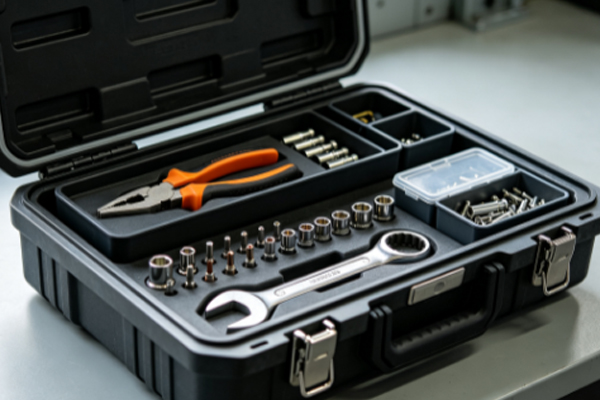
Modular Tool Boxes Make Business Tool Classification Clearer
The foundation of business tool management is establishing a clear classification system. Modular tool boxes can be organized according to tool type, frequency of use, and job requirements, making it easier for employees to find and return tools.
Different Tools Require Different Storage Areas
Dividing storage areas according to tool shape, size, and frequency of use helps improve access efficiency and reduce mixed storage.
- Separate management for hand tools: High-frequency tools such as wrenches, screwdrivers, and pliers can be assigned fixed areas to reduce search time.
- Compartmentalized storage for small parts: Screws, washers, connectors, and other small components are suitable for separate compartments, helping reduce scattering and omissions.
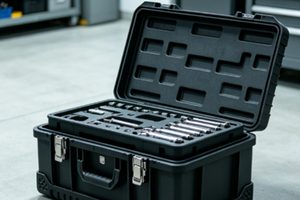
- Separate storage for specialized tools: Testing equipment, power tools, and special repair tools can be stored in independent cases, trays, or inserts to reduce collisions between items.
A clear classification method helps businesses establish standardized habits for returning tools to their proper places.
Label Management Improves Team Collaboration
Once fixed locations are assigned to tools, employees can store and retrieve them according to unified rules. With classification labels, different cases, trays, or storage areas can be quickly identified through text, numbers, or colors, making them convenient for shared use by multiple employees. During job handovers, tool conditions can also be checked quickly, reducing the risk of missing items.
Modular Tool Boxes Help Businesses Establish Standardized Management Methods
As the number of tools increases, relying solely on individual employee habits can easily lead to inconsistent management. By using standardized tool boxes, protective cases, and internal storage configurations, businesses can establish clear storage rules.
Fixed Locations Reduce Tool Search Time
A reasonable layout based on tool frequency of use and job requirements allows employees to complete retrieval, return, and inventory checks more quickly.
- Place frequently used tools in easily accessible areas: Tools used regularly can be placed in upper or front sections to shorten the retrieval path.
- Centralize backup tools: Low-frequency tools can be stored inside cases or in separate storage areas to avoid occupying space needed for frequent operations.
- Configure storage separately for different positions: Maintenance, electrical, inspection, and other positions can use different tool boxes or internal layouts according to their actual requirements.
Fixed locations and clearly divided areas help employees become familiar with tool layouts more quickly and develop consistent operating habits.
Flexible Configurations Make Unified Management Easier
Businesses can select suitable storage solutions for different work areas. For example, commonly used tool boxes can be placed along production lines, larger tool boxes or aluminum cases can be used in maintenance areas, and parts storage boxes with compartments and inserts can be configured in warehouses. By combining different case sizes, internal structures, and customized accessories, businesses can adjust storage methods according to actual work requirements instead of adopting exactly the same solution everywhere.
Tool Boxes and Protective Cases Can Reduce Long-Term Management Costs
Business tool management should not only focus on current capacity but also consider long-term needs such as tool growth, changes in work content, and equipment upgrades.
Storage Can Be Continuously Adjusted as Tools Increase
As the number of tools and work tasks changes, businesses can maintain the suitability of their storage solutions by adjusting cases and internal configurations.
- Choose cases with different capacities: When the number of tools increases, businesses can add tool boxes of suitable sizes or types according to actual requirements.
- Adjust the internal layout: When job responsibilities change, the use of trays, dividers, and inserts can be reorganized.
- Update configurations according to equipment changes: For newly added or replaced tools, instruments, and equipment, internal storage structures can be adjusted to improve space utilization.
This gradual configuration method is suitable for businesses whose tool inventories continue to grow and whose work content changes over time.
Reduce Tool Damage and Management Confusion
Proper compartmentalization can reduce collisions between tools and make it easier for employees to identify missing items promptly. For high-value testing equipment, precision instruments, and easily damaged tools, protective cases or aluminum cases can be selected and combined with cushioning inserts, custom foam, and securing structures to strengthen protection during transportation and storage.
Tool Boxes Are Suitable for Different Business Work Scenarios
Different businesses have different tool management requirements. Tool boxes, protective cases, and aluminum cases can be selected according to the operating environment, tool type, and transportation needs.
Factories and Repair Workshops Focus More on Efficiency
Configuring storage according to the characteristics of production, maintenance, and warehouse areas can make tool management better suited to actual operating procedures.
- Quick access on production lines: Commonly used tool boxes can be placed near workstations to reduce the time employees spend walking back and forth to retrieve tools.
- Centralized management in maintenance areas: Maintenance tools can be classified according to equipment type or job position to facilitate routine servicing.
- Standardized configuration in warehouse areas: Backup tools and spare parts can be centrally stored in tool boxes or compartmentalized storage boxes to improve inventory organization efficiency.
When business tool management evolves from simply “storing tools” to combining classification, retrieval, return, and protection, on-site management becomes more standardized.
Engineering and Mobile Operations Place Greater Emphasis on Flexibility
For tools that need to be moved frequently, used on-site, or transported between different areas, storage solutions should also balance portability and protection.
- Tool boxes are easy to carry: During on-site maintenance, employees can carry only the tool box or protective case required for the specific task.
- Adjust configurations according to projects: Different engineering projects require different tools, so configurations can be adjusted by changing case sizes, internal trays, or custom inserts.
- Adapt to long-term business changes: As a business expands its scope of operations, tool storage solutions can also be updated according to the requirements of new tools and equipment.
For teams that need to move continuously and frequently switch between tasks, suitable tool boxes and protective cases can meet their needs for portability, storage, and protection.
For manufacturing, maintenance, engineering, and warehouse operations, tool boxes, protective cases, and aluminum cases are not only used to store tools but must also adapt to different operating environments and transportation requirements. Proper case structures, internal configurations, and tool classification methods can reduce tool collisions, loss, and disorganized placement while making it easier for employees to retrieve tools quickly and complete routine maintenance. SIPHIA BOX provides tool boxes, protective cases, aluminum cases, and customized storage solutions. Based on tool types, operating environments, and business requirements, it can match suitable case bodies and internal configurations, offering more flexible options for tool storage, transportation, and protection.