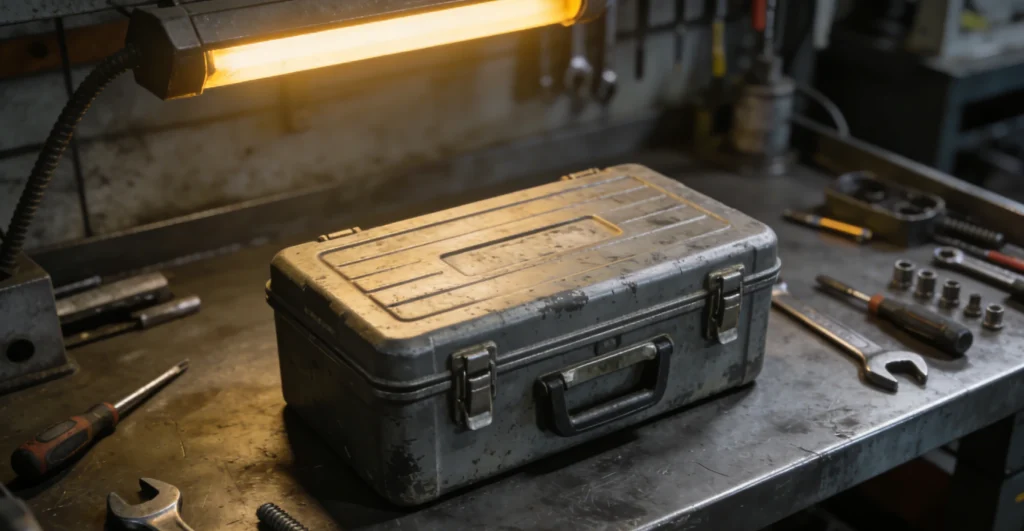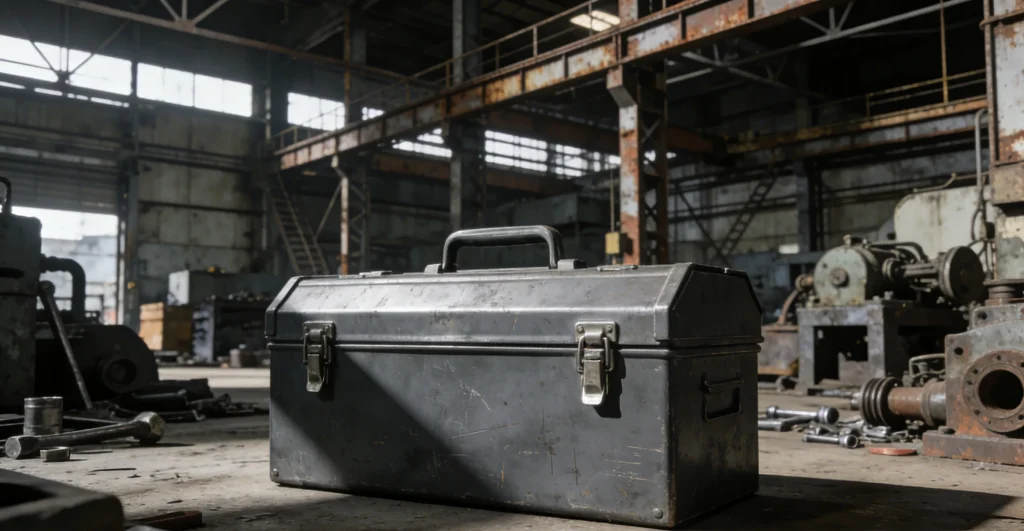
In workshops, repair rooms, and home storage areas, once the number of tools increases, the storage method directly affects work efficiency. With features such as layered stacking, flexible expansion, and easy portability, stackable tool boxes have gradually become a common choice for tool management. Different types of stackable tool boxes are suitable for different scenarios. Understanding their structure, combination methods, and usage environments helps users choose more accurately and improves the storage experience.
Stackable Tool Boxes Classified by Structure
The most intuitive way to classify stackable tool boxes is by their box structure. Different structures affect tool placement logic, access methods, and the overall user experience. When purchasing, looking at the structure first usually makes it easier to determine whether it matches your habits.
Drawer-Style Stackable Tool Boxes
Drawer-style stackable tool boxes use layered pull-out drawers to make tool classification clearer, making them suitable for users who need to access tools frequently.
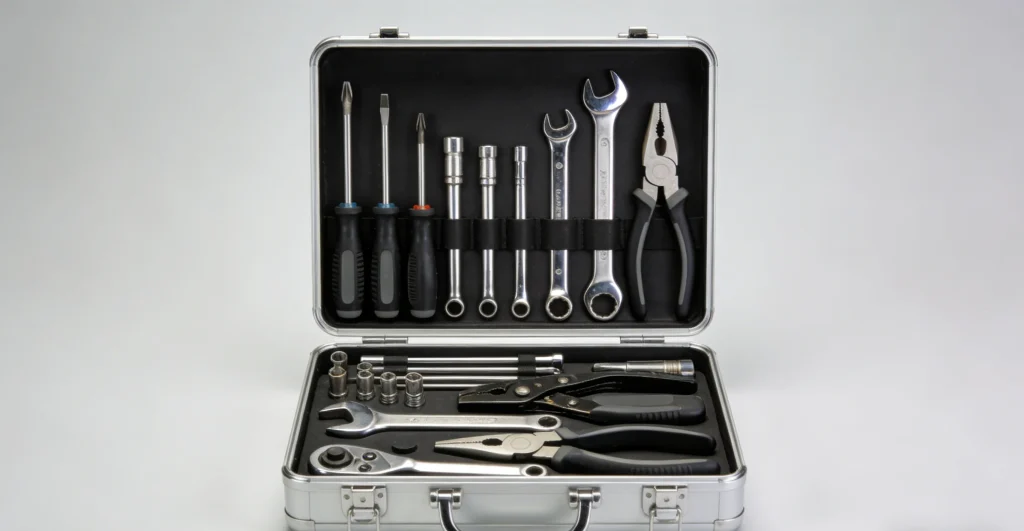
- Clear drawer sections allow wrenches, pliers, and screwdrivers to be stored in separate layers.
- Frequently used tools can be placed in the upper layers for shorter access paths.
- Suitable for professional repair technicians and high-frequency use scenarios.
For users who need to maintain long-term tool classification management, the drawer-style structure makes it easier to keep things organized and also makes daily work more convenient.
Box-Stacking Tool Boxes
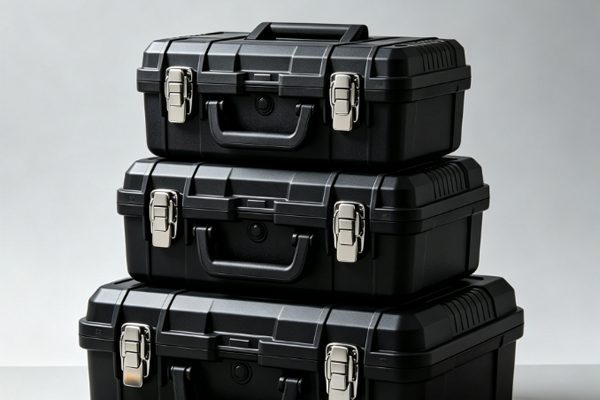
Box-stacking tool boxes are based on independent box units and expand through vertical stacking. The structure is relatively simple, and the usage method is more direct.
- Each box is independent, and stacking reduces floor space.
- Easy to load and unload, suitable for daily movement and temporary off-site work.
- Intuitive storage logic, suitable for users with fewer tool types.
This type is more common in home and light-duty work scenarios. It can meet basic storage needs without adding too much of a learning curve.
Stackable Tool Boxes Classified by Combination Method
In addition to structural differences, stackable tool boxes can also be classified by their combination method. The combination method determines expansion capability and flexibility, and also affects whether the system can be easily adjusted later as tools change.
Single-Box Expansion Type
Single-box expansion stackable tool boxes usually start with one basic box, and users can gradually increase the number of layers or modules according to the amount of tools they own.
- Built around a base box, with layers added later as needed.
- More flexible initial investment, with convenient future expansion.
- Common in home repair and small workshop settings.
The advantage of the single-box expansion type is its flexible usage pace. There is no need to configure too much space at once. As the number of tools grows, users can expand gradually, which saves costs and makes later adjustments easier.
Modular Splicing Type
Modular splicing stackable tool boxes emphasize the combination relationship between different functional modules. Users can match them according to tool categories, making the storage system more organized.
- Different modules can be combined by purpose, with power tools, consumables, and accessories stored separately.
- Suitable for shared team use, with clearer management after unified numbering.
- More expandable space, making long-term adjustments easier.
The modular splicing type is more like a continuously optimizable tool management system. It can be adjusted as work content changes, making it suitable for users who need to maintain tool order over the long term.
Stackable Tool Boxes Classified by Usage Scenario
Different usage scenarios place very different demands on tool boxes. Some prioritize durability, some focus on size and portability, while others need to withstand heavier loads. Classifying them by usage scenario makes it easier to find the right product type.
Workshop Repair Type
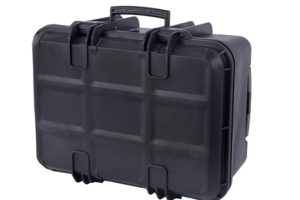
Workshop repair stackable tool boxes are usually designed for high-frequency use environments. They have higher structural strength, are easier to move, and feature more secure locking designs, allowing them to handle frequent opening, closing, and repeated transport in workshops. They often come with thickened box bodies and smooth wheel assemblies, making them suitable for auto repair, equipment maintenance, and assembly work while maintaining stable performance during continuous use.
Home Storage Type
Home storage stackable tool boxes focus more on size control and ease of use, making them suitable for household users organizing hardware tools and small repair supplies. They are usually compact and can be placed in storage rooms, balconies, or garages without taking up too much space. At the same time, they can store household hardware, installation tools, and small power tools. Their simple appearance and intuitive operation make them especially suitable for beginners. For home users, the value of this type of tool box lies not only in storing tools, but also in making daily organization easier and tool management simpler.
Industrial Heavy-Duty Type
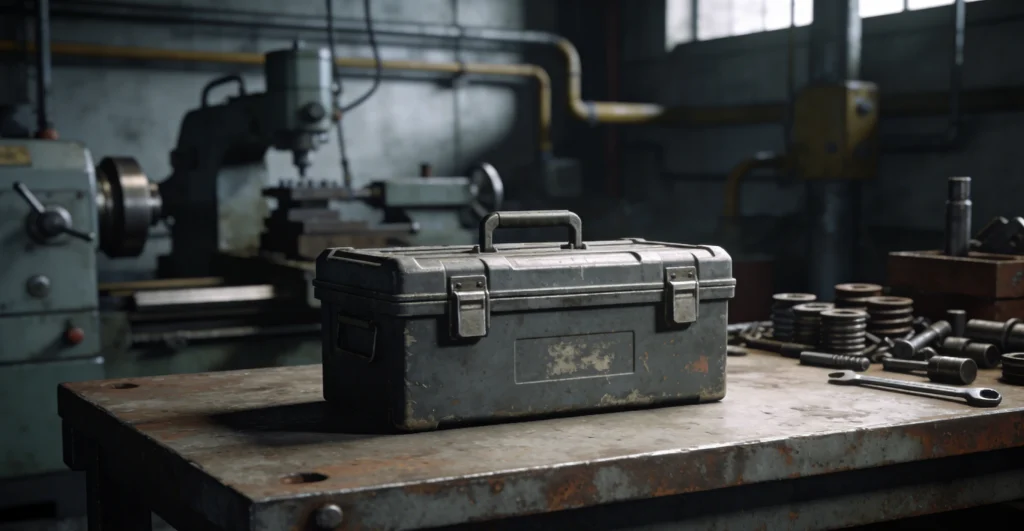
Industrial heavy-duty stackable tool boxes are mainly designed for more complex and high-intensity work environments, with higher requirements for load-bearing capacity and wear resistance.
- Stronger box load capacity, suitable for large tools and parts.
- Commonly equipped with wear-resistant shells and reinforced wheel assemblies to adapt to rough surfaces.
- Suitable for production line inspections, equipment maintenance, and on-site debugging.
This type of tool box places greater emphasis on reliability and environmental adaptability, making it suitable for long-term, high-load use scenarios.
Stackable tool boxes are not limited to a single type. Drawer-style, box-stacking, single-box expansion, modular splicing, and models designed for workshops, homes, and industrial sites all have their own value. Choosing the right type makes tool storage more organized, transportation easier, and space utilization higher. SIPHIA BOX focuses on tool storage solutions and provides stackable tool boxes that better match real-world needs, making them ideal for users who want to improve organization efficiency and optimize the user experience. Welcome to visit our official website to learn more.