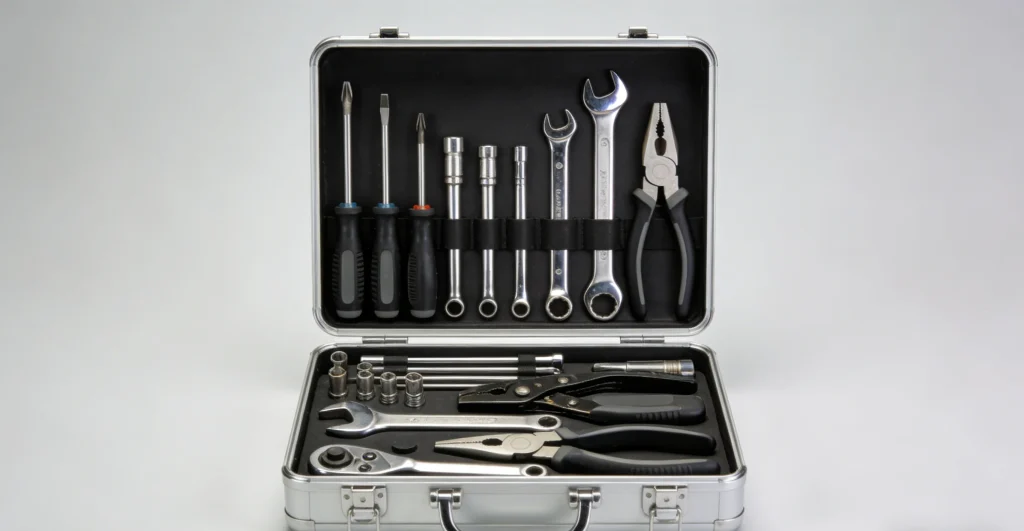
In workshops, auto repair shops, and home maintenance settings, rolling tool boxes are not only used for storing tools, but also play a role in classification, transportation, and on-site organization. As the number of tools and working environments vary, rolling tool boxes have gradually become more specialized. If you want to choose a more convenient style, you can first look at the structure, load capacity, and usage scenario, and then make a choice based on your own storage habits.
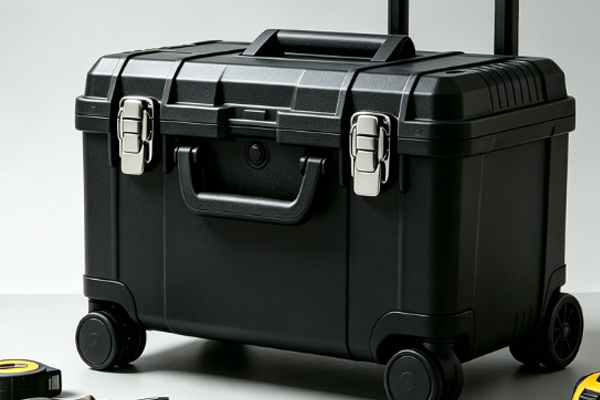
Types of Rolling Tool Boxes by Structure
Different structures determine how the tool box moves and how it organizes storage, and they also affect the daily user experience.
Trolley-Style Rolling Tool Box
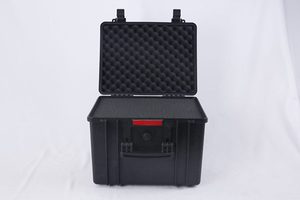
This type of rolling tool box is commonly used in mobile repair and off-site work scenarios. The box is equipped with a pull handle and wheels, making it easier to push and pull.
- Suitable for short-distance transport: easier to move between workshops, warehouses, and job sites.
- Straightforward storage layout: the interior is usually single-layer or divided, allowing quick access to tools.
- Convenient for temporary tasks: ideal for carrying commonly used tools and heading out quickly.
The trolley-style rolling tool box stands out for being lightweight and flexible, making it suitable for environments that require frequent movement.
Drawer-Style Rolling Tool Box
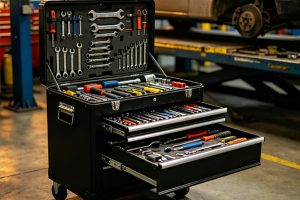
Drawer-style rolling tool boxes place more emphasis on categorized storage and are commonly found at repair benches, auto repair stations, and professional tool areas.
- Clear layering: wrenches, pliers, and screwdrivers can be stored separately.
- Easy access: commonly used tools can be placed in the upper drawers for more efficient operation.
- Suitable for frequent use: when there are many tools, organization becomes more structured.
Drawer-style rolling tool boxes are better suited for professional users who value order and efficiency.
Types of Rolling Tool Boxes by Load Capacity
Different load capacities determine whether a tool box is better suited for lightweight storage or heavy-duty transport.
Lightweight Rolling Tool Box
Lightweight rolling tool boxes focus more on flexibility and are suitable for home users, small repair workers, and routine maintenance tasks. They are usually compact in size, so they do not take up much space when placed in a garage, storage room, or beside a workbench, and they are easier to move around in daily use. Because the box itself is relatively light, the wheels are easier to push, making it convenient to carry commonly used tools at any time. Electrical tools, home improvement tools, and basic accessories can all be stored easily. For users who do not have many tools but want quick access at any time, a lightweight rolling tool box is a practical choice.
Heavy-Duty Rolling Tool Box
Heavy-duty rolling tool boxes are designed for industrial sites and professional repair environments, with a focus on durability and load-bearing performance. Their bodies are usually sturdier and can hold power tools and larger accessories. The wheel assemblies are also more durable, allowing stable movement even on rough surfaces. For work scenarios that require long-term transport and frequent use, this type of tool box provides more reliable support and is better suited for users who demand high durability and stability.
Types of Rolling Tool Boxes by Combination Method
Differences in combination methods affect the expandability and organization efficiency of the tool box.
Single Rolling Tool Box
The single-unit style has a simple structure and is suitable for users with fewer tools and clear storage needs.
- Low learning curve: tools can be placed directly after opening, with a straightforward organization logic.
- Suitable for fixed workstations: practical for permanent work areas and home repairs.
- Easier to maintain: simple structure makes daily cleaning convenient.
Single rolling tool boxes are suitable for users who prefer simplicity and practicality and want to get started quickly.
Modular Rolling Tool Box
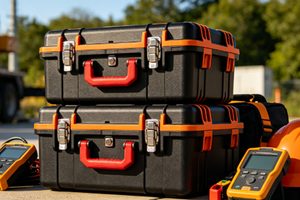
Modular rolling tool boxes can be stacked or separated according to need, making them suitable for users whose tool collection continues to grow.
- Flexible expansion: more modules can be added as tools increase.
- More detailed classification: different modules can store different types of tools.
- Suitable for team use: easier to manage uniformly when shared by multiple people.
Modular rolling tool boxes are better suited for scenarios with many types of tools and future expansion needs.
Types of Rolling Tool Boxes by Application Scenario
Different scenarios have different requirements for capacity, durability, and access efficiency.
Rolling Tool Box for Auto Repair
Auto repair environments place higher demands on tool boxes, which must both store tools and allow quick access.
- Often equipped with multiple drawers: suitable for sockets, wrenches, and diagnostic tools.
- Easy to move around the workstation: convenient for pushing around vehicles.
- Suitable for high-intensity work: remains stable even with frequent opening and closing.
A rolling tool box designed for auto repair helps technicians maintain higher efficiency in fast-paced environments.
Rolling Tool Box for Home Use
Home-use models focus more on neat storage and space efficiency, making them suitable for daily repairs, installations, and simple renovations.
- Compact and space-friendly: can be placed in a corner without feeling crowded.
- Enough for classification: common home improvement tools can be stored together.
- Suitable for beginners: intuitive tool placement makes it easier to find tools quickly.
A home rolling tool box helps keep household tools organized and makes daily access more convenient.
Rolling Tool Box for Industrial Sites
Industrial sites often use large-capacity, wear-resistant rolling tool boxes, which are suitable for equipment maintenance and production line inspections.
- Larger capacity: can hold testing instruments, repair accessories, and spare parts.
- Adaptable to complex environments: remains stable even on uneven floors.
- Convenient for on-site management: tools are stored centrally, reducing the chance of missing items.
Industrial rolling tool boxes are better suited for work environments that require capacity, durability, and on-site management.
Rolling tool boxes are not limited to a single type. Trolley-style, drawer-style, modular, lightweight, and heavy-duty models each have their own strengths. Choosing the right type can make tool storage, transport, and on-site work much easier. If you want a rolling tool box that better fits your actual needs, you can explore the professional storage solutions from SIPHIA BOX.