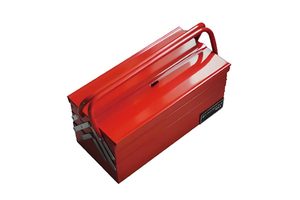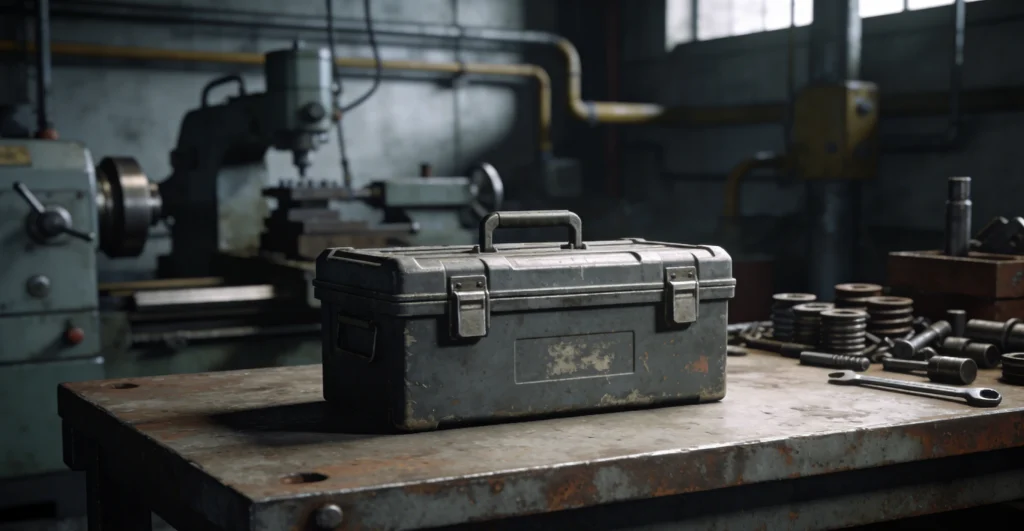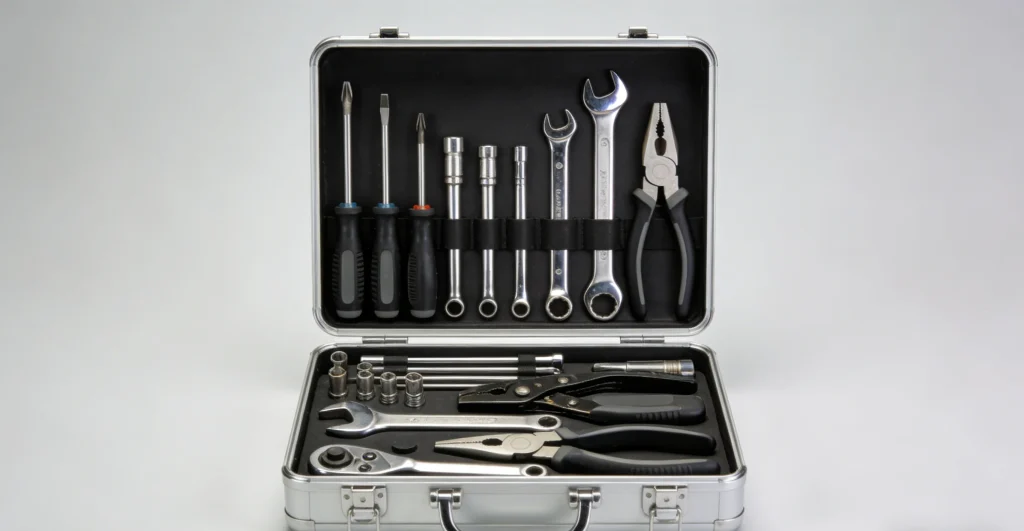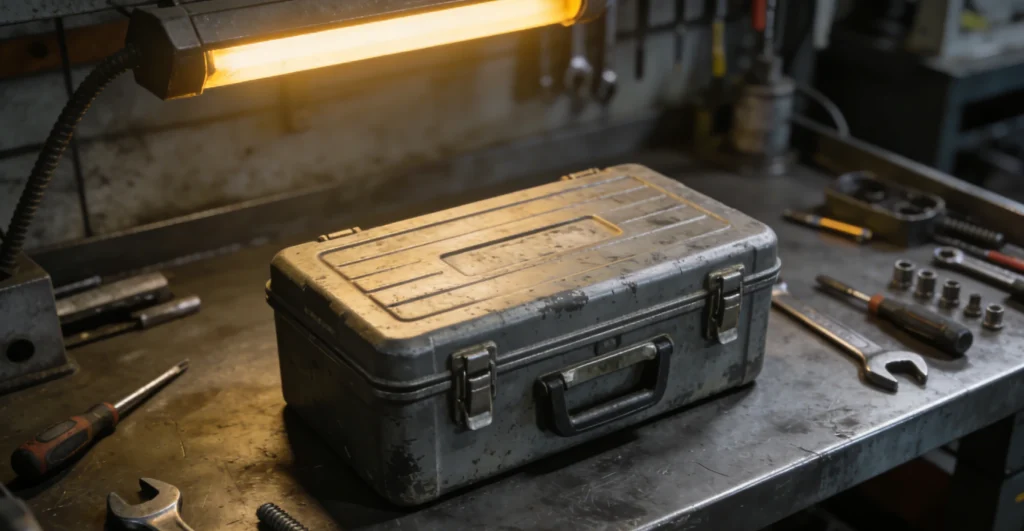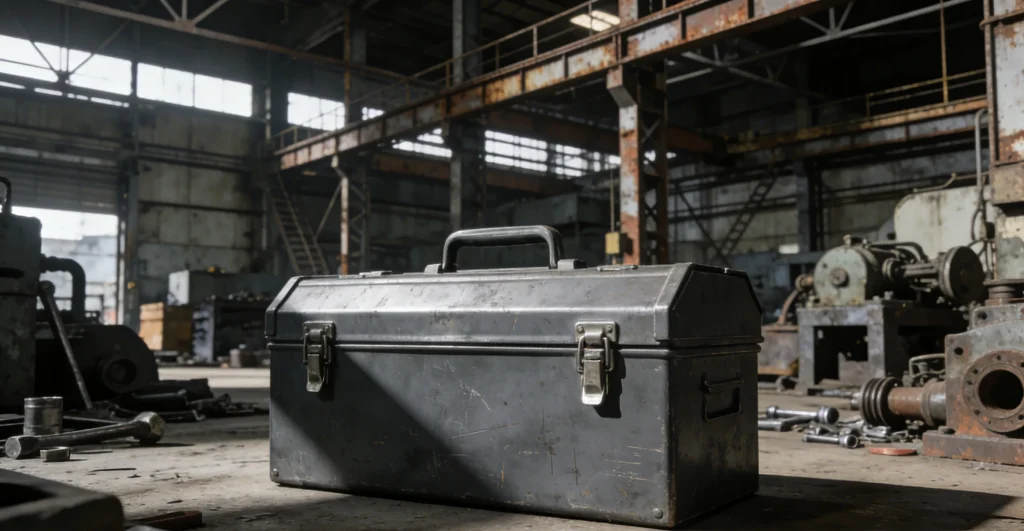
Lorry tool boxes are usually mounted on the side of the vehicle, underneath the chassis, or near the cargo bed. They are commonly used to store repair tools, power tools, tie-down straps, safety equipment, spare parts, and various transport accessories. The contents of a toolbox often represent a significant investment. If the toolbox is stolen, it can result not only in financial loss but also disrupt transportation schedules and maintenance work. As a result, improving the anti-theft performance of a lorry tool box is a major consideration for many vehicle owners when purchasing and installing one. Many users assume that simply having a lock is enough to prevent theft. In reality, the security of a toolbox depends not only on the lock itself but also on the toolbox material, installation method, latch design, parking habits, and daily management.
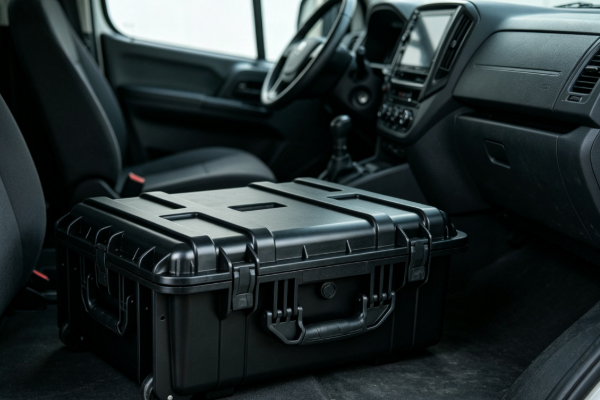
If a toolbox is not securely mounted, has weak latches, or is regularly parked in isolated areas, it may still be vulnerable to theft even if it is well built. Therefore, improving toolbox security requires attention to both the toolbox itself and daily usage practices. Today, many premium lorry tool boxes feature dual-metal latches, anti-theft lock cylinders, reinforced hinges, and concealed mounting structures, combined with heavy-duty mounting brackets to enhance overall security. Vehicle owners can further reduce the risk of theft by parking responsibly and avoiding leaving valuable tools exposed, providing better protection for their equipment.
Choose a Lorry Tool Box with Anti-Theft Features
Prioritize Dual-Metal Anti-Theft Latches
The latch is one of the most important security components of a lorry tool box and is also the part used most frequently. If the latch has a simple structure, it can be easily damaged by force. Therefore, it is recommended to choose a toolbox equipped with dual-metal anti-theft latches. Compared with plastic latches or single-layer metal latches, dual-metal latches provide greater strength, withstand higher external force, and are less likely to loosen after repeated opening and closing.
When selecting a latch, consider the following features: Strong dual-metal construction; Tight fit between the latch and the toolbox body to reduce deformation over time; Smooth operation with reliable locking performance.
The higher the latch quality, the better the overall security of the toolbox.
Choose an Anti-Theft Lock Cylinder
In addition to the latch, the lock cylinder is another key component affecting theft protection. Standard lock cylinders are generally easier to damage or pick, while anti-theft lock cylinders feature more complex internal mechanisms, making unauthorized access significantly more difficult. Some lorry tool boxes also feature concealed keyholes, reducing direct exposure of the lock cylinder and providing an additional level of security. If the toolbox is frequently used to store expensive repair equipment, power tools, or testing instruments, selecting a toolbox with a higher-security lock cylinder is highly recommended.
Installation Method Determines Toolbox Security
Secure the Toolbox with Heavy-Duty Mounting Brackets
Many toolboxes are stolen not because the lock fails, but because the entire toolbox is removed from the vehicle. For this reason, the installation method is just as important as the locking mechanism. Heavy-duty mounting brackets combined with high-strength bolts should be used to firmly attach the toolbox to the vehicle.
During installation, make sure to:
- Mount the brackets to strong sections of the vehicle frame
- Use locking nuts to prevent loosening
- Ensure all mounting bolts remain properly tightened
- Regularly inspect all mounting hardware
A securely mounted toolbox requires considerably more time and effort to remove, increasing the difficulty for thieves.
Conceal the Mounting Bolts
On some installations, the mounting bolts remain fully exposed outside the toolbox. This presents a security risk because thieves may simply remove the bolts and take the entire toolbox. Whenever possible, mounting bolts should be installed inside the toolbox or in concealed locations where they cannot be accessed externally. Although concealed installation may require more effort during installation, it significantly improves overall security.
Install the Toolbox in a Less Visible Location
The mounting position also affects theft resistance. Toolboxes installed in highly visible and easily accessible locations generally face a higher theft risk. Whenever practical, install the toolbox on the inside of the vehicle frame or another relatively concealed location without affecting normal operation, reducing opportunities for unauthorized access.
How Can Daily Use Reduce the Risk of Theft?
Many vehicle owners believe that purchasing a high-quality toolbox is sufficient. In reality, everyday habits also play an important role in toolbox security.
Avoid Storing Valuable Tools Permanently
If expensive testing equipment, power tools, or valuable spare parts are stored inside the toolbox at all times, they may attract thieves even if the toolbox has excellent security features. It is recommended to carry only the tools required for the current job and store high-value equipment separately whenever possible.
Park in Safe Locations
Parking conditions directly affect toolbox security. When stopping during long-distance transport, it is recommended to park in: Service areas; Designated parking lots; Locations monitored by security cameras; Well-lit areas. Avoid leaving the vehicle for long periods in isolated or poorly lit locations, as this can significantly reduce the likelihood of theft.
Inspect the Lock Regularly
After long-term use, toolbox locks may become worn, loose, or fail to close properly.
Regularly inspect:
- Whether the lock cylinder operates smoothly
- Whether the latch remains secure
- Whether the hinges have loosened
- Whether the lid closes and locks completely
Routine maintenance helps ensure that the toolbox continues to provide reliable theft protection.
Frequently Asked Questions
Can an Ordinary Padlock Improve Toolbox Security?
It can provide some additional protection. However, if the toolbox itself has a weak locking system, simply adding a standard padlock will not significantly improve theft resistance. It is recommended to first choose a toolbox equipped with a professional anti-theft lock cylinder and then add supplementary locks if necessary.
Is It Safe to Mount the Toolbox Under the Vehicle?
Generally, yes. If the toolbox is securely installed and mounted in a concealed location, it can provide good security. However, all mounting hardware should remain tight, and the installation should be inspected regularly.
Should the Toolbox Be Locked Every Time?
Yes. It is recommended to develop the habit of locking the toolbox whenever leaving the vehicle. Even during short stops, avoid leaving the toolbox unlocked for convenience. Consistently following this practice can significantly reduce the risk of tool theft.
Protecting lorry tool boxes from theft does not rely on a single solution. Instead, security is improved through a combination of toolbox quality, installation methods, and good daily practices. Choosing a toolbox equipped with dual-metal anti-theft latches, anti-theft lock cylinders, and reinforced hinges enhances the security of the toolbox itself. Using heavy-duty mounting brackets and concealed mounting methods reduces the risk of the entire toolbox being removed. Developing good habits such as locking the toolbox, parking in secure locations, and regularly inspecting the locking system further minimizes the risk of theft. For long-haul logistics vehicles, construction trucks, and mobile service vehicles, a toolbox serves not only as a storage solution but also as an important safeguard for valuable equipment. Selecting a toolbox with enhanced anti-theft features and maintaining it properly helps keep tools secure, minimizes unnecessary losses, and ensures smoother transportation and on-site operations.