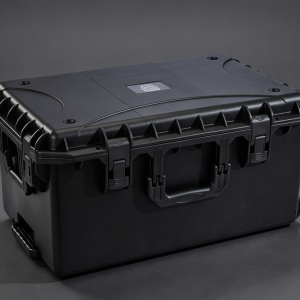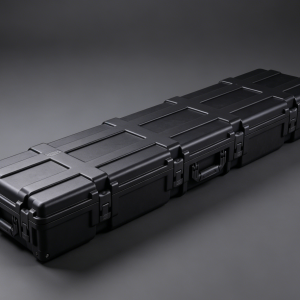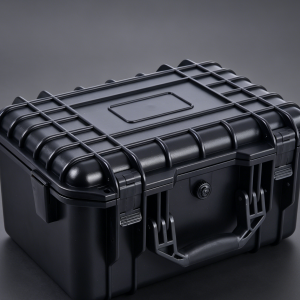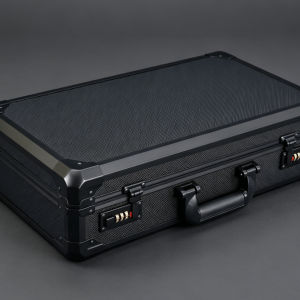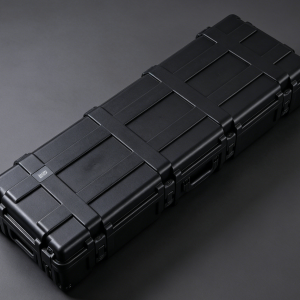
When it comes to tool storage and equipment management, a toolbox is not only used to store and transport tools. Its color, structure, and internal organization can also affect the overall user experience. Compared with traditional black or gray toolboxes, a red toolbox offers strong visual recognition and a distinctive appearance, making it suitable for automotive repair, workshops, construction sites, home maintenance, and outdoor work. For users who need to quickly identify and organize their tools, a well-designed red toolbox can combine appearance, functionality, and efficiency.
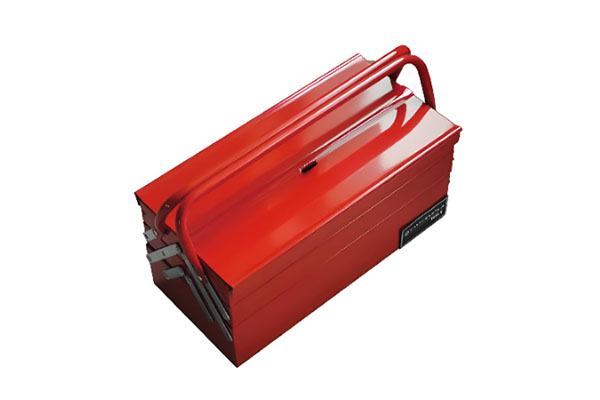
Visual Recognition Advantages of Red Toolboxes
Bright Color for Quick Identification
Red is a highly recognizable color. When multiple toolboxes, equipment cases, and storage containers are placed in the same working area, a red toolbox can help users quickly identify where their tools are stored.
In automotive repair shops, factories, warehouses, and construction sites, workers often need to manage a large number of tools. If all storage boxes have similar colors, finding the right toolbox may take extra time. A red design provides an easy visual reference, allowing workers to locate their toolbox more quickly and reducing unnecessary searching.
Supports Tool Classification
Color can also be used as a simple tool management system. For example, a red toolbox can be assigned to mechanical repair tools, while toolboxes in other colors can be used for electronic equipment, measuring instruments, or spare parts. This color-based classification system makes tool organization easier to understand and manage.
Siphia Tool Box offers various tool storage solutions, including portable toolboxes, rolling toolboxes, and modular storage systems for different working environments.
How Does Red Toolbox Design Improve Work Efficiency?
Internal Compartments Make Tools Easier to Find
The value of a toolbox is not simply how much it can hold. Its ability to make tools easy to access is equally important. A well-designed red toolbox can include trays, compartments, drawers, or dedicated storage areas for screwdrivers, wrenches, pliers, sockets, and other tools.
Organizing each tool in a fixed location reduces clutter and makes tools easier to locate. When workers return tools to their designated positions after use, they can quickly identify missing tools and maintain a more organized workspace.
Suitable for High-Frequency Work Environments
For mechanics, electricians, equipment installers, and maintenance technicians, toolboxes are often opened, carried, and used many times throughout the day. Therefore, features such as handles, latches, drawers, wheels, and overall construction should be designed with practical use in mind.
A portable toolbox is suitable for short-distance transportation and on-site maintenance, while a rolling toolbox is more suitable for situations where users need to move a large number of heavier tools.
Durability Is Also Important in Red Toolbox Design
Strong Construction for Demanding Work Environments
Color is only one part of toolbox design. Material selection and structural strength ultimately determine how well a toolbox performs over time. For professional maintenance and industrial applications, toolboxes may need to withstand frequent transportation, impacts, and long-term use.
For example, metal toolboxes generally provide excellent structural strength and are suitable for workshops and industrial environments. Cold-rolled steel toolboxes are also commonly used for professional tool storage because of their strength and durability.
Waterproof and Dustproof Protection
If a red toolbox is intended for outdoor construction, automotive maintenance, or demanding industrial environments, waterproof and dustproof protection can be important considerations.
For precision tools and electronic equipment, additional protection can be provided through sealing structures, cushioning materials, and customized foam inserts. Protective cases with sealing gaskets, shock-absorbing foam, and reinforced structures can provide multiple layers of protection during storage and transportation.
Where Can Red Toolboxes Be Used?
Automotive Repair
Automotive repair requires a wide range of tools, including wrenches, sockets, screwdrivers, pliers, and diagnostic equipment. A red toolbox provides quick visual identification while internal compartments help technicians organize and access tools efficiently.
Industrial Maintenance and Manufacturing
In industrial production environments, tools often need to be moved between different workstations. Using brightly colored toolboxes can help employees quickly identify the tools assigned to a specific area, improving organization and workplace efficiency.
Construction
Construction sites can expose tools to dust, impacts, moisture, and frequent transportation. A durable red toolbox can provide convenient storage and transportation while making tools easier to identify in busy working environments.
Home Maintenance and DIY
For home users, red toolboxes offer an attractive appearance while making it easy to locate tools in garages, workshops, storage rooms, or work areas. A compact portable toolbox can hold commonly used screwdrivers, wrenches, measuring tapes, pliers, and other basic tools for everyday maintenance and DIY projects.
How to Choose the Right Red Toolbox?
When selecting a red toolbox, color should not be the only consideration. Users should also evaluate the number of tools, working environment, storage requirements, and transportation needs.
For home maintenance, a compact and lightweight portable toolbox may be sufficient. For users who need to carry many tools, a drawer-style or rolling toolbox can provide greater storage capacity and mobility. When transporting precision instruments, greater attention should be given to case strength, sealing performance, internal dimensions, and protective inserts.
Internal dimensions are particularly important when choosing a toolbox. External dimensions indicate the overall space occupied by the toolbox, while internal dimensions determine how much usable storage space is actually available. For precision equipment, additional space may also be required for foam inserts, protective padding, and fixing structures.
Conclusion
The advantages of red toolbox design go beyond appearance. Its highly visible color can improve visual identification, while a well-organized interior can make tool classification and access more efficient. Durable construction, portability, waterproof and dustproof protection, and cushioning systems can further expand its applications across different working environments.
For automotive repair, industrial manufacturing, construction, home DIY, and outdoor maintenance, a well-designed red toolbox can make tool storage more organized and daily work more convenient. By selecting a toolbox based on tool quantity, dimensions, working environment, and transportation requirements, users can achieve better tool organization, protection, and overall efficiency.