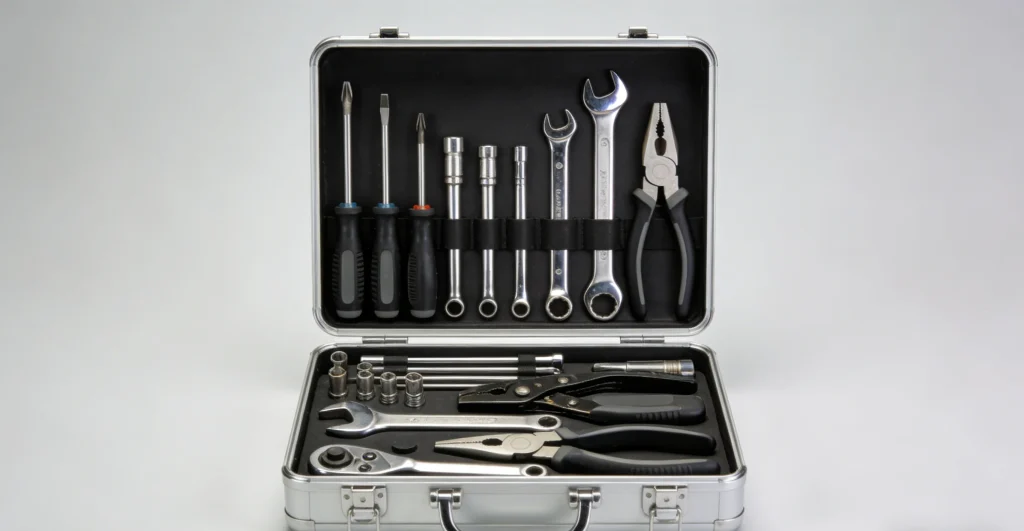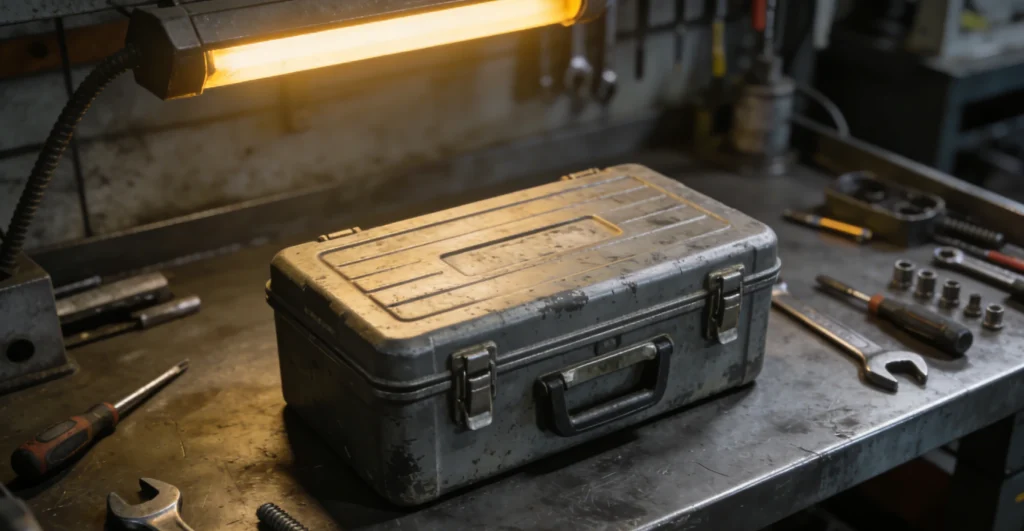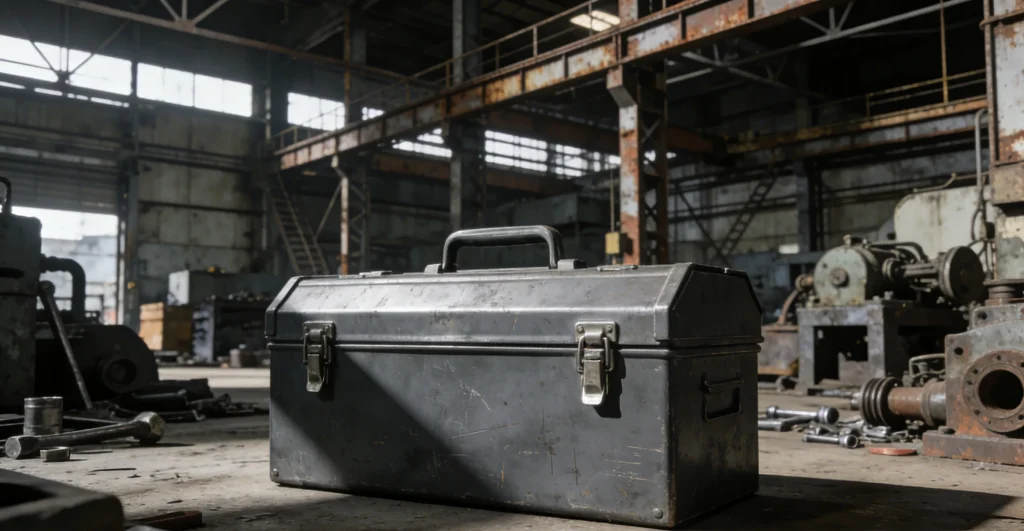
When a portable tool box is used to store screwdrivers, wrenches, pliers, sockets, power tools, and repair accessories, it is necessary to consider not only its capacity but also the load-bearing capacity of the box itself. Especially in mechanical repair, automotive repair, equipment installation, and other applications, tools are usually made of metal and can be relatively heavy. When multiple tools are placed inside the box, the bottom plate, box walls, handle, and latches all bear considerable pressure. If the structural strength of the tool box is insufficient, long-term overloading may cause the bottom plate to sag, the box to deform, the handle to loosen, or even damage to connection points. Therefore, improving the load-bearing capacity of a portable tool box requires consideration of material thickness, bottom structure, connection points, and internal load distribution rather than simply increasing the size of the box.
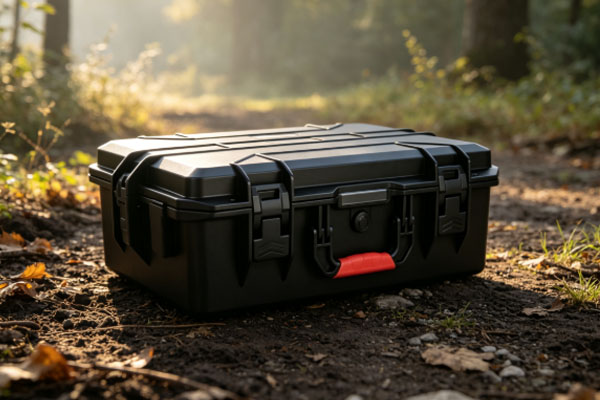
Although aluminum alloy has the advantages of being lightweight, corrosion-resistant, and easy to process, lightweight design also needs to maintain a reasonable balance with load-bearing requirements. If the tool box is mainly used to store ordinary hand tools, a standard structure may be sufficient. If it needs to carry heavy-duty sockets, torque wrenches, repair equipment, or power tools for long periods, the bottom plate and frame should be appropriately reinforced. At the same time, the way tools are arranged can also affect how the box bears the load. When the weight is concentrated in one area, the pressure on that local position increases significantly. Therefore, a reasonable internal layout can also help reduce the local load on the box.
Where Should the Tool Box Be Reinforced to Improve Load-Bearing Capacity?
Reinforce the Bottom Plate
Most tools inside a portable tool box ultimately exert pressure on the bottom plate, making the bottom an important area to focus on when improving load-bearing capacity. If the bottom plate is relatively thin and a large number of heavy-duty tools are stored in the box for long periods, the weight of the tools may become concentrated in a limited area, which can easily cause slight sagging of the bottom plate. The thickness of the bottom plate can be increased according to the tool weight, or reinforcement structures can be added to the bottom so that the pressure on the bottom plate can be distributed more evenly. For larger tool boxes, horizontal or vertical reinforcing ribs can also be added to improve the overall support capacity of the bottom.
Reinforce the Frame
The load-bearing capacity of the box does not depend only on the bottom plate. The frame connects the lid, side panels, bottom plate, latches, and other structures. If the frame strength is insufficient, the overall load-bearing performance may still be affected even if the bottom plate is relatively thick. Therefore, when designing a heavy-duty portable tool box, the frame connection areas can be appropriately reinforced to keep the box stable after tools are loaded. For tool boxes that are frequently carried, special attention should also be paid to the connection points between the handle and the box to prevent the weight from being concentrated on only a few fixed points for long periods.
What Methods Can Improve the Load-Bearing Capacity of a Portable Tool Box?
The load-bearing capacity of a tool box is generally related to both materials and structure. Simply increasing the material thickness can improve strength, but it will also make the tool box heavier and affect portability. Therefore, a more reasonable approach is to reinforce areas that are prone to bearing loads according to the actual load.
Increase Material Thickness to Improve Support
Appropriately increasing the thickness of aluminum alloy sheets can improve the box’s resistance to bending and deformation. For boxes that need to store relatively heavy mechanical tools, more suitable sheet specifications can be selected according to the actual load. However, thicker does not necessarily mean better. Portable tool boxes need to balance strength and weight. If too much material is added, the box will become more difficult for users to carry. Therefore, the design usually needs to consider the box dimensions, tool weight, and transportation method together.
Add Reinforcing Ribs to Improve Stability
Reinforcing ribs are a common structural reinforcement method. By adding appropriate reinforcing structures to the bottom or side panels, deformation caused by pressure on large sheet-metal areas can be reduced. Reinforcing ribs are particularly important for larger tool boxes. They can distribute weight concentrated in one area over a larger range, making the bottom plate less likely to sag significantly. The positions of the reinforcing ribs also need to be designed properly. Otherwise, additional weight may be added without achieving the desired load-bearing effect.
When improving the load-bearing capacity of a portable tool box, the following four points can be checked:
Increase Bottom Support: The bottom plate can be thickened or reinforcing ribs can be added so that the weight of heavy-duty tools can be transferred more evenly to the box structure.
Strengthen Frame Connections: Reinforce the connection points between the bottom plate, side panels, and frame to reduce the possibility of loosening or deformation after long-term loading.
Optimize the Handle Structure: For tool boxes that need to be carried frequently, the strength of the handle mounting points should be improved so that the weight of the box can be transferred steadily.
Distribute Tools Properly: Avoid concentrating all heavy-duty tools in one location. They should be distributed as evenly as possible to reduce the pressure borne by a local area.
Does the Internal Layout of a Tool Box Also Affect Its Load-Bearing Capacity?
Yes. Many people believe that load-bearing capacity is only related to the materials used in the box. However, during actual use, the way tools are arranged can also affect the load distribution. Tools with the same total weight will place more evenly distributed pressure on the box bottom when they are spread out. If all the tools are piled into one corner, the weight borne by that local area will increase.
Heavy Tools Should Be Distributed as Evenly as Possible
For example, if a set of large sockets, several heavy-duty wrenches, and power tools are placed inside the box at the same time, concentrating them all in the center of the bottom plate can create significant local pressure. Arranging tools properly according to their size and weight can reduce the long-term pressure on a specific area. For customized tool boxes, foam inserts, tool slots, and dividers can also be used to secure tool positions. This not only makes storage more convenient but also prevents tools from continuously moving during vehicle transportation or handling, reducing additional impact on the box.
Do Not Ignore Dynamic Loads During Carrying
When a tool box is stationary on the ground, the main load comes from the weight of the tools themselves. However, during carrying, handling, or vehicle transportation, the box may also be subjected to vibration and impact. Therefore, the actual load-bearing capacity should not be determined only according to static weight during the design process. If a tool box is marked as capable of carrying a certain weight, the actual loading amount should also be controlled according to the specific usage environment. When heavy-duty tools are frequently transported, the handle, hinges, latches, and connecting components all need to remain in good condition. Otherwise, even if the bottom plate is not damaged, other parts may develop problems prematurely.
Frequently Asked Questions
Q: Does increasing the thickness of the bottom plate significantly improve load-bearing capacity?
A: Appropriately increasing the thickness of the bottom plate can improve its support capacity, but it is not the only method. The box frame, reinforcing ribs, connecting components, and handle also affect the overall load-bearing capacity. If only the bottom plate is thickened while other structures remain relatively weak, the overall effect will still be limited.
Q: Will a tool box become very heavy after reinforcing ribs are added?
A: It will add a small amount of weight, but proper design can concentrate the reinforcement material in the main load-bearing areas, so there is no need to significantly increase the thickness of the entire box. For portable tool boxes, a reasonable balance should be maintained between strength and weight.
Q: Can foam inserts improve the load-bearing capacity of a tool box?
A: Foam is mainly used for cushioning, securing, and protecting tools and cannot replace load-bearing structures such as the bottom plate and reinforcing ribs. It can reduce the impact caused by tools moving during transportation, but the materials and structural design are what truly determine the load-bearing capacity of the box.
Q: Is a higher load-bearing capacity always better for a tool box?
A: Not necessarily. In addition to meeting load-bearing requirements, a portable tool box also needs to maintain good portability. If the material thickness is greatly increased in pursuit of a very high load-bearing capacity, the weight of the box itself will also increase. A more reasonable approach is to determine the load-bearing level according to the actual weight of the tools.
Improving the load-bearing capacity of a portable tool box requires designing according to the actual loading weight rather than simply making the box thicker and heavier. For ordinary hand tools, standard aluminum alloy sheets and basic structures are generally sufficient for daily use. For sockets, torque wrenches, power tools, and other relatively heavy mechanical tools, the bottom plate, frame, and handle connection points need to be reinforced. Appropriately increasing sheet thickness can improve support capacity, adding reinforcing ribs can reduce bottom deformation, and optimizing connection structures can allow weight to be transferred more steadily throughout the box. In general, heavy tools should not all be concentrated in one area. The weight should be distributed as reasonably as possible, while trays, dividers, or foam inserts can be used to reduce tool movement.
For tool boxes that need to be transported frequently, dynamic impacts during carrying should also be considered. Therefore, latches, hinges, handles, and fasteners all need to have appropriate strength. For bulk purchasing or customized portable tool boxes, a tool list, individual tool weights, total loading weight, and usage environment can be provided in advance, allowing the manufacturer to adjust the sheet material, bottom structure, and connection methods according to actual requirements. This can meet load-bearing requirements while controlling the weight of the tool box itself, allowing the product to be strong enough without losing portability due to excessive reinforcement. Reasonable structural design enables a portable tool box to remain stable during long-term loading and frequent handling.