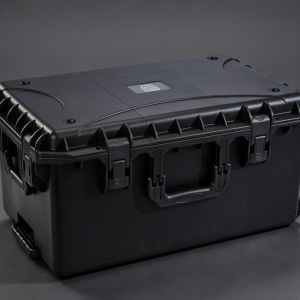
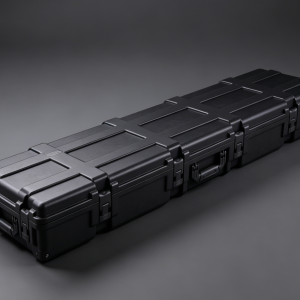
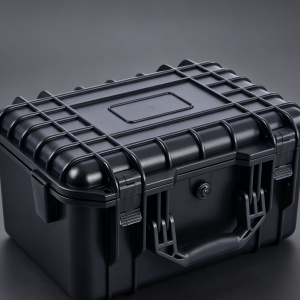
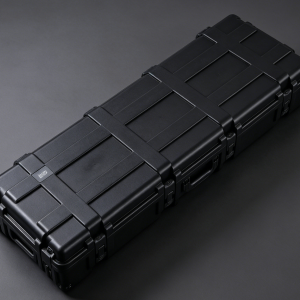
Heavy machinery maintenance often involves large wrenches, socket sets, torque wrenches, power tools, measuring instruments, and various spare parts. These tools can be heavy and are frequently used in demanding working environments where oil, dust, vibration, and moisture are common. Ordinary toolboxes may not provide sufficient load capacity, durability, or storage space for these conditions. Choosing the right metal toolbox requires careful consideration of material, structural strength, corrosion resistance, internal organization, and mobility.
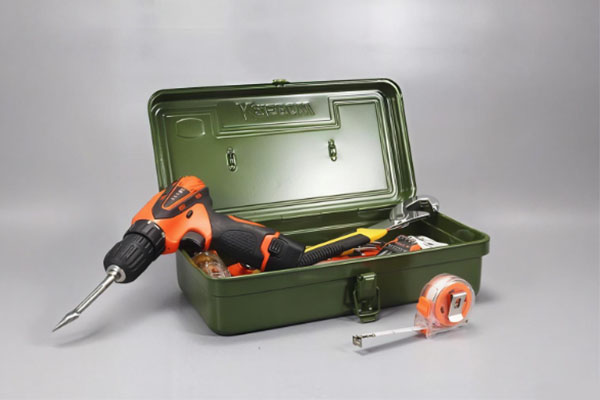
What Are the Requirements for Metal Toolboxes Used in Heavy Machinery Repair?
Load Capacity and Structural Strength
Heavy machinery repair tools are often stored together, placing considerable stress on the toolbox bottom, joints, drawers, and supporting structures. For storing large socket sets, heavy-duty wrenches, and power tools, buyers should prioritize toolboxes made with appropriately thick metal panels, reinforced frames, and reliable connections.
In addition to the material, it is important to evaluate welding quality, hinge mounting, and drawer slide capacity. A well-designed heavy-duty toolbox can reduce deformation under long-term loads and provide greater stability during daily use.
Wear Resistance, Rust Prevention, and Oil Resistance
Lubricants, metal shavings, and coolants can easily accumulate on toolbox surfaces in mechanical repair environments. Without effective surface protection, prolonged exposure to moisture and contaminants may cause corrosion, affecting both appearance and service life.
When selecting a metal toolbox, consider powder coating, electroplating, or other protective surface treatments. Regular maintenance, including removing oil stains, drying wet surfaces, and inspecting damaged coatings, can also help extend the toolbox’s service life.
Which Metal Material Is Best for Heavy Machinery Repair Toolboxes?
Cold-Rolled Steel Toolboxes: Ideal for Fixed Repair Workshops
Cold-rolled steel offers good formability and is suitable for manufacturing toolboxes through bending, stamping, and welding. With appropriate panel thickness and reinforcement, steel toolboxes can meet the requirements of repair workshops for load-bearing capacity, wear resistance, and long-term durability.
Factories and equipment maintenance centers that need to organize large quantities of hand tools, socket sets, and repair accessories can prioritize steel toolboxes with sturdy structures and rust-resistant surface treatments. When purchasing, evaluate panel thickness according to the actual load rather than judging quality solely by appearance or overall dimensions.
Stainless Steel Toolboxes: Suitable for Moist or Corrosive Environments
Stainless steel toolboxes are worth considering when maintenance areas are frequently exposed to moisture, cleaning solutions, or potentially corrosive substances. Stainless steel offers good corrosion resistance, making it suitable for applications with demanding cleanliness and rust prevention requirements.
However, stainless steel is not completely immune to corrosion. Its performance depends on the steel grade, surface condition, and working environment. Since stainless steel products may cost more than conventional steel alternatives, they are best selected according to operating conditions and expected service life.
Aluminum Toolboxes: Ideal for Mobile Maintenance and Precision Equipment
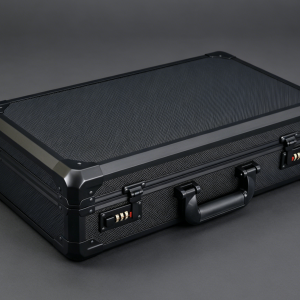
When technicians need to transport measuring instruments, precision tools, or valuable equipment between different work locations, aluminum toolboxes are a practical option. Aluminum enclosures are generally lighter than comparable steel enclosures and offer good corrosion resistance.
These toolboxes are suitable for mobile maintenance, equipment inspections, and on-site testing. However, their actual load capacity depends on panel thickness, frame design, and connection quality. For particularly heavy maintenance tools, buyers should verify the rated load and structural specifications before making a purchase.
How Can Structural Design Improve Toolbox Usability?
Organize Storage Space According to Tool Weight
Heavy-duty maintenance tools should not all be placed in a single compartment. A well-organized interior can separate large wrenches, power tools, socket sets, and small components, reducing collisions and improving accessibility.
For precision instruments, custom EVA foam inserts or dedicated compartments can provide additional protection. Small accessories such as bolts, washers, and fittings can be stored in divided organizers. Measuring the length, width, and height of tools before purchasing helps determine the appropriate toolbox dimensions.
Choose Portable or Rolling Designs According to Handling Frequency
For toolboxes positioned near fixed maintenance stations, storage capacity and stable support structures may be the main priorities. When tools need to be moved frequently between workshops, warehouses, and maintenance areas, rolling toolboxes with load-bearing casters, sturdy handles, and reliable locking mechanisms are generally more convenient.
Casters, handles, and the toolbox base are also load-bearing components. Buyers should inspect their connections and ensure that the rated capacity can accommodate the combined weight of the toolbox and all stored tools.
What Should Buyers Consider When Purchasing Heavy-Duty Toolboxes?
Look Beyond Panel Thickness and Price
Panel thickness is an important factor in evaluating metal toolbox performance, but it is not the only consideration. Folded structures, reinforcement ribs, welding or riveting quality, surface treatments, and the quality of locks and drawer slides all affect overall durability.
For bulk purchases, businesses can conduct sample tests under actual working conditions. These tests can assess handling stability under full load, smooth opening and closing, and potential structural deformation.
Choose a Supplier That Offers Custom Toolbox Solutions
Different heavy machinery maintenance tasks require different toolbox dimensions, storage compartments, locks, mobility options, and branding features. Working with a supplier that offers customization of dimensions, internal layouts, and exterior finishes can help businesses select products that better fit their workflows.
Siphia Box offers a range of toolboxes and storage and protection solutions that can be evaluated according to specific application requirements. Before purchasing, heavy machinery maintenance businesses should identify their tool inventory, maximum load per toolbox, operating environment, and handling frequency to determine the most suitable configuration.
Conclusion
The best metal toolbox for heavy machinery repair depends primarily on tool weight, working conditions, and mobility requirements. For fixed repair workshops, reinforced cold-rolled steel toolboxes with rust-resistant finishes are worth considering. Stainless steel solutions may be appropriate for environments with greater moisture or corrosion risks, while aluminum toolboxes can be suitable for technicians who frequently transport precision instruments.
By evaluating material, structural design, load capacity, surface treatment, and internal organization together, buyers can select metal toolboxes that balance durability, storage efficiency, and long-term operating costs.