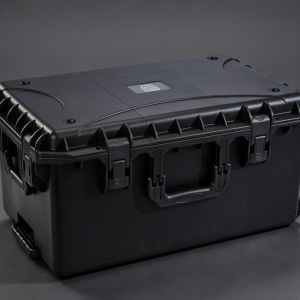
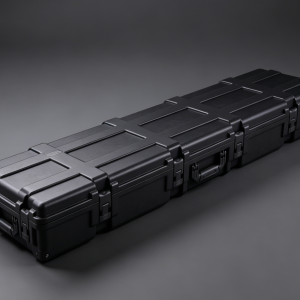
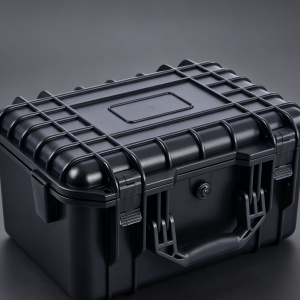
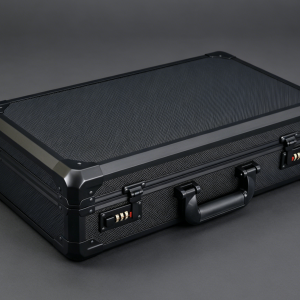
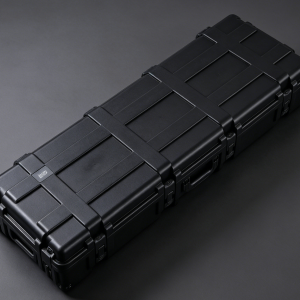
Outdoor maintenance work often involves equipment repairs, engineering maintenance, electrical infrastructure servicing, and on-site installation. Compared with indoor environments, outdoor toolboxes are more likely to be exposed to rain, humidity, dust, sunlight, and impact during transportation. Therefore, choosing an outdoor repair toolbox requires more than considering its strength and appearance. Material selection, rain protection, rust prevention, and wear resistance are all important factors. A well-designed metal toolbox can protect maintenance tools more effectively and withstand demanding outdoor working conditions.
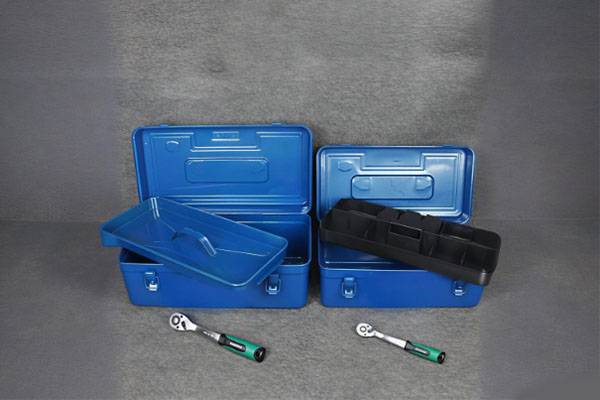
What Are the Common Metal Materials Used for Outdoor Toolboxes?
Cold-Rolled Steel: A Practical Balance of Strength and Performance
Cold-rolled steel is a common material used in metal toolbox manufacturing. It offers good formability and structural strength, making it suitable for storing wrenches, pliers, socket sets, and various repair accessories. For outdoor maintenance workers who need to carry relatively heavy tools, steel toolboxes provide a stable storage solution.
However, ordinary steel may corrode when exposed to rainwater and humid air for extended periods. Buyers should therefore pay attention to coating quality, edge protection, and the treatment of welded areas. Steel toolboxes with appropriate rust-resistant finishes are better suited to outdoor environments where suitable protective measures are in place.
Stainless Steel: Suitable for Corrosion-Sensitive Environments
Stainless steel offers good corrosion resistance, making it suitable for environments with high humidity, frequent cleaning, or certain corrosion risks. For users who need to store precision maintenance tools over extended periods, stainless steel toolboxes can help reduce maintenance issues associated with corrosion.
It is important to note that corrosion resistance depends on the specific steel grade, surface condition, and working environment. Buyers should consider budget, toolbox weight, and actual usage conditions rather than judging product quality by the material name alone.
Aluminum Alloy: Lightweight and Easy to Transport
Aluminum alloy toolboxes are generally lightweight, making them suitable for frequent transportation, field inspections, and mobile maintenance applications. Aluminum can form a natural oxide layer on its surface, providing a degree of corrosion resistance and making it a practical option for portable outdoor tool storage.
However, aluminum alloy is not completely immune to corrosion or deformation. Its actual performance depends on the alloy type, sheet thickness, joint design, and surface treatment. For storing heavy-duty tools, buyers should verify the toolbox’s rated load capacity.
How Can Outdoor Toolboxes Improve Rain Protection and Rust Resistance?
Check the Lid, Joints, and Sealing Structure
The rain resistance of an outdoor toolbox depends not only on its material but also on its overall construction. The fit between the lid and the box, sealing gaskets, latch positions, and drainage design can all influence the risk of water entering the enclosure.
For toolboxes intended for exposed outdoor use, buyers should prioritize products with a clearly specified ingress protection rating or documented waterproof testing. A standard metal enclosure should not automatically be considered waterproof, and sealing features alone do not guarantee complete protection without supporting test results.
Inspect Coating Quality and Corrosion-Prone Areas
The rust resistance of a steel toolbox is closely related to its surface treatment. Powder coating, paint, and other suitable protective finishes can reduce direct contact between moisture and the metal substrate. However, scratches and exposed edges may become starting points for corrosion if the coating is damaged.
During purchasing inspections, check whether welds, folded edges, the bottom panel, and areas around the latches have been properly treated. During daily use, remove standing water and dirt promptly. Repair damaged coatings as soon as possible to reduce the risk of corrosion spreading.
How Does Wear Resistance Affect the Service Life of Outdoor Toolboxes?
Evaluate Sheet Metal Strength and Structural Reinforcement
Outdoor maintenance workers often transport toolboxes around vehicles, construction sites, and industrial equipment. Repeated impacts, dragging, and loading can cause dents, deformed corners, or loose joints. Choosing a metal toolbox with appropriate sheet thickness, reinforced corners, and stable connections helps improve durability during everyday use.
Choose Surface Treatments for the Working Environment
Outdoor toolboxes may repeatedly come into contact with the ground, vehicles, and other equipment. Wear-resistant coatings and well-designed edges help reduce surface damage caused by friction. For toolboxes frequently used at construction sites, buyers should also inspect the durability of handles, hinges, and latches to prevent premature component failure.
How to Choose a Metal Toolbox for Outdoor Maintenance
When selecting an outdoor repair toolbox, consider usage frequency, tool weight, rainfall conditions, and transportation requirements.
For toolboxes installed at fixed maintenance points, structural stability, rust protection, and sealing design may be the main priorities. For toolboxes that need to be moved frequently, buyers should also consider weight, handle strength, and portability.
SIPHIA BOX specializes in tool storage products and related solutions. When selecting an outdoor repair toolbox, buyers can evaluate product specifications according to the working environment, material properties, and structural configuration. Key considerations include whether rain protection has been verified through testing, whether the surface treatment is suitable for outdoor conditions, and whether the enclosure meets actual load requirements.
By selecting the appropriate metal material and following proper maintenance practices, users can protect their repair tools more effectively while improving storage efficiency and operational reliability during outdoor maintenance work.