A musical instrument case is an essential protective accessory for the daily use, storage, and transportation of instruments. Whether you own a guitar, violin, saxophone, or another type of instrument, choosing a suitable case can help keep it properly protected during regular use. Instrument cases on the market vary significantly in size, materials, structure, weight, and functional design. If buyers focus only on appearance or price, they may later discover problems such as an unsuitable size, excessive movement inside the case, inconvenient carrying, or insufficient protection. For individual music enthusiasts, professional performers, schools, training centers, and musical instrument retailers, selecting an instrument case should be based on the type of instrument and the actual conditions in which it will be used. A suitable case can improve carrying convenience while reducing the risk of wear and accidental damage during storage, transportation, and frequent movement. Before making a purchase, it is important to carefully evaluate the product’s dimensions, outer structure, interior design, and intended use.
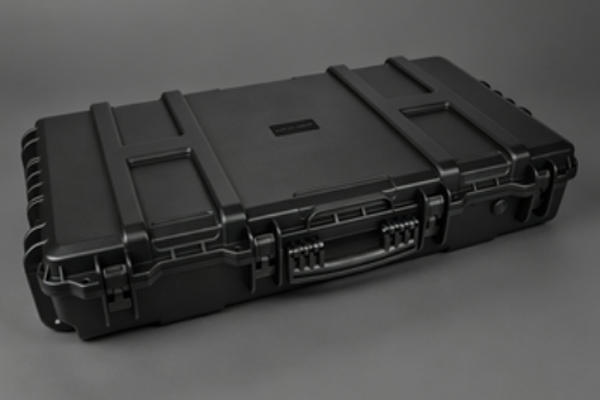
Make Sure the Case Matches the Size of Your Instrument
Size compatibility is one of the most important factors to check when buying a musical instrument case. Different brands and models of instruments may vary in length, width, thickness, and overall shape. Even instruments in the same category cannot always be matched with a case based only on the product name. For example, different guitar models have different body shapes, violins are available in different sizes, and wind instruments such as saxophones require interior spaces designed for their unique structures. If the interior of the case is too large, the instrument may move during transportation, increasing the possibility of friction against the interior. If the case is too small, unnecessary pressure may be placed on the instrument body, neck, or delicate components. Before purchasing, it is useful to measure the actual dimensions of the instrument and compare them with the interior length, width, and depth of the case. Special attention should also be given to areas such as the headstock, bridge, neck, and other protruding parts. The instrument should fit securely inside the case without excessive movement or pressure when the lid is closed.
Check Whether the Outer Material and Overall Structure Are Reliable
The exterior structure of an instrument case affects the level of basic protection it can provide during daily carrying and transportation. Cases made from different materials vary in weight, durability, abrasion resistance, and impact protection. Hard-shell instrument cases are commonly made from ABS, engineering plastics, fiberglass, or composite materials and may be suitable for situations that require frequent transportation or stronger protection. Soft cases are often made from nylon, canvas, or other fabrics and are generally lighter and easier to carry. When making a purchase, buyers should look beyond the appearance of the outer surface. It is also important to check whether the case is properly shaped, whether the edges are smooth and stable, whether connection points are secure, and whether the structure is likely to crack or deform after extended use. Users who frequently attend performances, travel between cities, or transport instruments by vehicle may want to pay closer attention to load resistance and reinforced corner protection. A structurally stable instrument case can reduce the effects of accidental contact during everyday movement and may offer better durability for long-term use.
Carefully Examine the Interior Protection Design Before Buying
A strong outer shell can resist part of the external pressure, but the stability of the instrument inside the case also depends on the interior design. When purchasing an instrument case, buyers should examine the lining materials, support positions, and storage areas. Quality interiors may use foam, EVA materials, sponge padding, or soft fabrics to provide cushioning and reduce surface friction. Different instruments have different structural requirements, so the interior design should be suitable for the specific instrument. A guitar case should provide appropriate support for the body and neck, while a violin case should offer separate spaces for the instrument, bow, and accessories. A saxophone case should also be designed to prevent pressure on keys and other delicate components.
The following details are worth checking before purchase:
- Whether the interior matches the instrument size: The instrument should not move excessively from side to side, but it should also not be compressed too tightly.
- Whether the cushioning materials are in good condition: Foam and padding should maintain proper elasticity without obvious collapse, deterioration, or shedding.
- Whether the neck or other critical areas are properly supported: For string instruments, suitable support can reduce unnecessary stress during transportation.
- Whether the interior lining is soft and smooth: Rough materials may cause friction against the instrument’s finish over time.
- Whether accessory storage is properly designed: Strings, rosin, tuners, and other accessories should have separate storage spaces to prevent them from moving freely inside the case.
A well-designed interior has a direct influence on the stability of the instrument during transportation. If possible, it is helpful to test the fit with the actual instrument before purchasing and confirm that the support positions and interior dimensions are suitable.
Do Not Overlook the Quality of Locks, Handles, and Straps
A musical instrument case needs to be opened, closed, and carried repeatedly, making the quality of hardware and connection structures equally important. Locks should close properly and remain secure after fastening to reduce the possibility of the case opening accidentally during transportation. The hinges on a hard-shell case should be firmly connected to the body and operate smoothly without noticeable looseness or resistance. For soft cases that use zippers, buyers should check whether the zipper moves smoothly and whether the zipper teeth are complete. The handle is also an important load-bearing component and should have sufficient strength, with secure attachment points. Users who frequently walk or use public transportation may prefer a case with a shoulder strap or backpack-style carrying system to reduce the burden of long-distance carrying. Before purchasing, it can be useful to lift the case and check whether the handle feels comfortable, whether the strap length can be adjusted easily, and whether the overall balance is suitable. An instrument case may look attractive, but poor-quality hardware can lead to loose locks, damaged handles, or detached straps after extended use, so these details should receive careful attention.
Choose the Right Product Based on Your Actual Usage Needs
Different users purchase instrument cases for different purposes, and a product that works well for one person may not be the best choice for another. For short-distance transportation between home, school, and a music training center, users may place greater importance on lightweight construction and carrying convenience. Musicians who frequently attend orchestra rehearsals, stage performances, or music competitions may prefer cases with stronger structures and better abrasion resistance. When an instrument needs to be transported over long distances, greater attention should be given to shell strength, internal stability, and the reliability of locks or closure systems. Users who plan to store an instrument for an extended period may also want to consider whether the interior materials are easy to clean, whether dust can accumulate easily, and whether the case provides suitable sealing performance. Schools, music training institutions, and retailers purchasing larger quantities may also need to consider product consistency, bulk purchasing costs, and long-term maintenance convenience. Price is naturally an important consideration, but choosing the lowest-priced option is not always the best decision. The purchase should be based on the frequency of use, the value of the instrument, and the expected service life of the case. By checking the materials, dimensions, interior structure, and accessory configuration before buying and matching these features with actual needs, buyers can reduce compatibility problems and select an instrument case that provides more reliable performance during daily storage, carrying, and transportation.