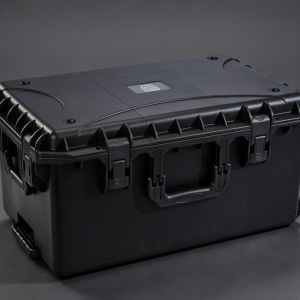
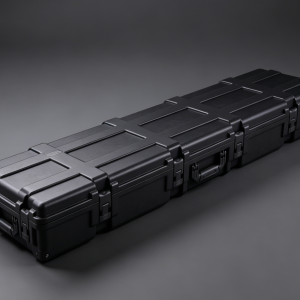
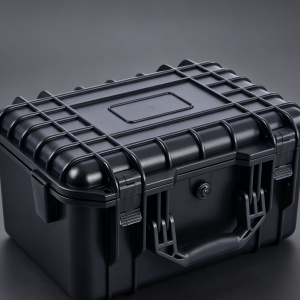
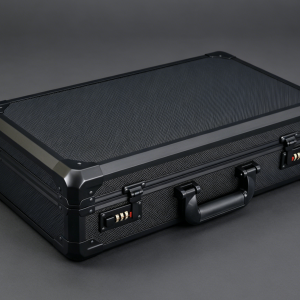
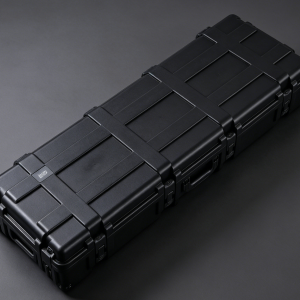
Mobile maintenance work places high demands on tool storage equipment. Maintenance personnel may need to travel between residential communities, commercial stores, office buildings, factory workshops, equipment rooms, and outdoor job sites. A tool box must not only hold commonly used repair tools but also provide a good balance of weight, portability, internal storage space, and durability. With their lightweight materials, diverse structural designs, easy cleaning, and flexible use, plastic tool boxes have become a common storage option for many maintenance workers. For people who frequently work at different locations, choosing a plastic tool box with the right size and structure can keep tools organized and reduce the time spent searching for equipment on site. So, are plastic tool boxes suitable for mobile maintenance work? In many practical situations, the answer is yes, provided that the tool box is selected according to the maintenance task and the number of tools being carried.
Plastic Tool Boxes Can Meet Basic Portability Requirements for Mobile Maintenance
Mobile maintenance differs from work performed in a fixed workshop. Maintenance personnel usually cannot keep a large number of tools on a permanent workbench and instead need to pack the necessary equipment into a tool box before traveling to the job site. A plastic tool box can keep screwdrivers, pliers, wrenches, tape measures, measuring tools, maintenance accessories, and other items together. Workers can organize their equipment before departure and begin work directly after arriving at the site.
Compared with some metal tool boxes, plastic tool boxes generally have a lighter overall weight. For maintenance workers who need to walk, climb stairs, or frequently enter and leave different buildings, a lightweight box can reduce the burden of transportation. The handle design also allows workers to carry the tool box directly over short distances without needing an additional storage bag.
During mobile maintenance work, job requirements can sometimes change unexpectedly. For example, a property maintenance worker may originally be assigned to handle a simple lock or plumbing issue but may need additional tools after arriving at the location. A properly sized plastic tool box can provide storage space for commonly used tools and selected spare parts, helping workers respond more effectively to changing on-site requirements.
Main Advantages of Plastic Tool Boxes for Mobile Maintenance
Different types of mobile maintenance work have different requirements, but plastic materials and well-designed structures can provide a high level of convenience. For workers who frequently carry tools to different locations, the following features offer practical value.
- Relatively lightweight construction: Plastic tool boxes are generally easier to carry than traditional metal tool boxes of a similar size. When maintenance workers need to travel between multiple job sites, a lighter box can reduce the physical burden of transportation. This is particularly useful in buildings without elevators, narrow passageways, or construction areas that must be reached on foot.
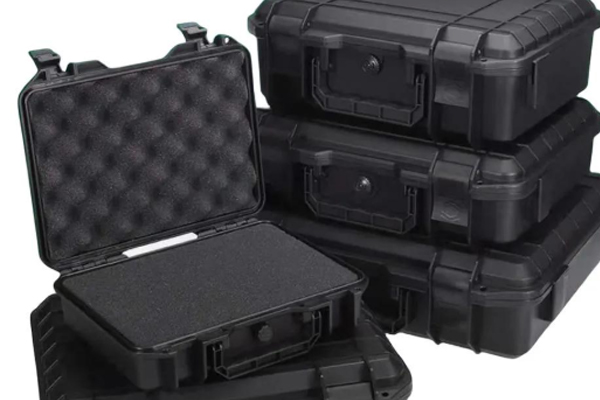
- Flexible internal storage space: Many plastic tool boxes include internal trays, dividers, or separate storage compartments that allow tools of different sizes to be organized. Frequently used screwdrivers, pliers, and tape measures can be placed in easily accessible positions, larger tools can be stored at the bottom, and small components can be placed in separate compartments, making it easier to locate equipment at the job site.
- Suitable for different maintenance environments: Mobile maintenance work may take place indoors, in basements, equipment rooms, warehouses, or outdoor locations. Plastic tool boxes offer useful resistance to moisture and corrosion and can usually be cleaned easily after contact with dust, water stains, or light oil contamination. These characteristics make them convenient for maintenance tasks performed in changing environments.
- Convenient carrying and operation: Plastic tool boxes commonly use handles and latch systems that allow maintenance workers to open and close the box quickly. During jobs that require frequent access to tools, a simple opening mechanism can reduce unnecessary operating steps. Some products also feature double latches or reinforced handles to accommodate different tool weights.
- Available in a wide range of sizes: Plastic tool boxes are available in small, medium, and large sizes. Home repair users can choose compact models, while property maintenance and equipment servicing personnel may require larger capacities. Professional construction workers can select deeper or wider tool boxes according to the number of tools they carry, allowing the product to better match the requirements of mobile maintenance work.
These features make plastic tool boxes suitable for many mobile maintenance situations. When selecting a product, users should consider tool weight and frequency of use rather than simply choosing the largest available capacity.
How Plastic Tool Boxes Can Improve Efficiency During Mobile Maintenance
The value of a tool box is not limited to transporting tools. It also plays an important role in on-site tool management. Mobile maintenance personnel often need to complete inspection, disassembly, replacement, installation, and testing tasks within a limited period. If all tools are placed together at the bottom of the box, workers may need to search repeatedly, which can interrupt the workflow. Proper use of the internal space in a plastic tool box can give different tools fixed storage positions.
During daily maintenance work, frequently used tools can be placed in the upper section or near the opening of the box. These may include screwdrivers, needle-nose pliers, tape measures, and electrical testing tools. Less frequently used larger tools can be placed in the lower section, while spare screws, connectors, cable ties, and other small accessories can be organized in separate storage containers. After arriving at the worksite, workers can quickly open the tool box and locate the equipment they need without unnecessary searching.
Teams that regularly perform mobile maintenance can also prepare different tool box configurations according to the type of work. For example, a basic maintenance tool box can be prepared for routine inspections, an electrical tool box can be used for wiring and equipment maintenance, and a plumbing tool box can be assigned to pipe and valve repairs. This arrangement can reduce the need to reorganize all tools before every trip and allows workers to select the appropriate tool box according to the assigned task.
After maintenance work is completed, returning tools to their designated positions can also make equipment checks more efficient. For workers who need to complete several maintenance jobs in one day, keeping the inside of the tool box organized can reduce preparation time before the next task begins.
Tool Box Requirements for Different Mobile Maintenance Scenarios
Different mobile maintenance environments create different requirements for the size and structure of a plastic tool box. Household repairs usually involve fewer tools, and users often place greater importance on lightweight and convenient portability. A compact plastic tool box can store basic equipment such as screwdrivers, pliers, wrenches, and tape measures. Property maintenance workers may need to handle a wider variety of problems, so their tool boxes generally require more internal space for plumbing tools, electrical tools, fastening tools, and commonly used accessories.
Automotive maintenance personnel providing mobile services may need to carry socket tools, wrenches, diagnostic equipment, and replacement parts. In this situation, the tool box should have sufficient load capacity while also allowing tools of different sizes to be organized effectively. Equipment maintenance workers may carry measuring instruments and precision tools, making internal compartments particularly important to prevent heavy tools and delicate instruments from being stored together.
Outdoor mobile maintenance places greater demands on environmental adaptability. Tool boxes may come into contact with dust, moisture, and sunlight, so the box material should be suitable for regular use in changing conditions. For products frequently used at complex construction sites, users should also consider wall thickness, bottom structure, handle strength, and latch quality. A well-designed structure can improve stability and help the tool box meet the requirements of long-term mobile work.
What Should Be Considered When Choosing a Plastic Tool Box for Mobile Maintenance?
Whether a plastic tool box is suitable for mobile maintenance also depends on the structure and intended use of the specific product. When purchasing a tool box, users can determine the required capacity according to the number of tools carried each day. If only a small number of tools are needed, an oversized box may create unnecessary empty space and reduce portability. If many tools are required, a larger model with sufficient internal capacity can help prevent excessive stacking.
Load capacity is another important consideration. Although plastic tool boxes are known for being lightweight, different products use different materials and structural designs, resulting in different levels of strength. If the box will carry a large number of metal wrenches, hammers, or other heavy tools, users should choose a product with a stronger structure and pay attention to the design of the bottom, handles, and latches.
The internal layout can also significantly affect the user experience. For maintenance work involving many small components, a plastic tool box with trays and compartmentalized storage can be a practical choice. For jobs involving larger tools, the depth and capacity of the lower storage area should be considered. Removable trays can allow users to adjust the internal space according to their actual requirements and provide greater flexibility.
Plastic tool boxes are suitable for a wide range of mobile maintenance tasks, especially household repairs, property maintenance, equipment servicing, installation work, and routine field operations. Their lightweight construction can reduce the burden of transportation, while a well-organized internal structure can help users classify tools efficiently. The availability of different sizes also allows users to choose products that match specific tasks. In practical use, the selection should be based on the number and weight of tools, travel distance, and working environment. A plastic tool box with an appropriate size, durable structure, and clear internal layout can become an important piece of equipment for tool management and efficient on-site maintenance.