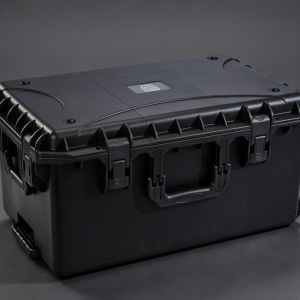
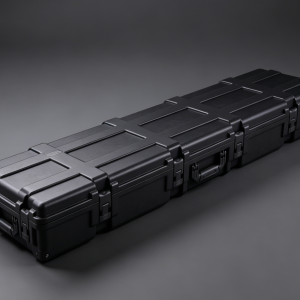
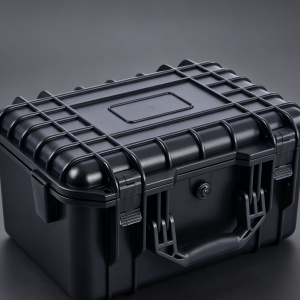
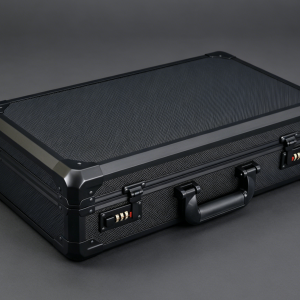
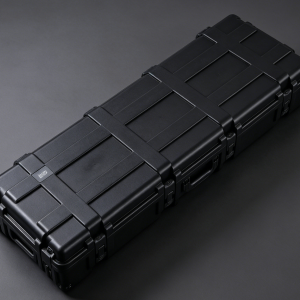
Tool boxes are commonly used for home repairs, property maintenance, mechanical servicing, outdoor construction, and equipment inspection. In different working environments, humidity, water vapor, rain, and moisture from the ground may affect the condition of stored tools. Metal tools such as screwdrivers, wrenches, and pliers may develop rust when exposed to humid conditions for extended periods. Moisture-resistant plastic tool boxes use suitable plastic materials and structural designs to provide a relatively stable storage space for tools. Compared with conventional metal boxes, plastic materials do not develop traditional metal rust and are generally lightweight, easy to process, and convenient to clean. Different plastic materials vary in hardness, toughness, temperature resistance, and environmental durability. Understanding these material characteristics can help users choose a moisture-resistant plastic tool box that better suits their actual working conditions.
Why Material Performance Matters for Moisture-Resistant Plastic Tool Boxes
A moisture-resistant tool box is not simply a box made from plastic. Its performance depends on the material’s resistance to moisture and water, as well as its long-term stability during regular use. Tool boxes may be placed in basements, garages, warehouses, kitchens, equipment rooms, or outdoor work areas, where humidity levels can vary significantly. If the box material becomes noticeably deformed, aged, or weakened after long-term exposure to moisture, its normal use may be affected.
Plastic materials are less susceptible to the corrosion commonly associated with humid conditions, making them suitable for tool storage in environments where moisture may be present. If water droplets or dirt appear on the outside of the box, the surface can usually be cleaned by wiping it. For workers who frequently carry tools to different locations, plastic construction can also reduce overall weight and make transportation more convenient. However, moisture resistance does not depend only on the box material. The fit between the lid and the box body, the latch design, and the presence of sealing structures can also affect the protection of the internal storage space.
When choosing a moisture-resistant plastic tool box, material performance should be considered together with the actual working environment. Ordinary indoor repair work may require a lower level of protection, while use in humid workshops, underground spaces, or outdoor locations may require greater attention to material durability and the closing structure of the tool box.
Common Materials Used in Moisture-Resistant Plastic Tool Boxes and Their Characteristics
Plastic tool boxes can be manufactured from different materials, and each material is suitable for different product designs and usage requirements. PP, ABS, and HDPE are commonly used in tool box production. Through appropriate manufacturing processes, these materials can form practical box structures with suitable strength and durability.
- PP material offers a lightweight structure: PP, or polypropylene, is a common material used for plastic tool boxes. It has good resistance to water, and daily exposure to humid air or small amounts of moisture does not cause the type of rust commonly associated with metal materials. PP is relatively lightweight, making it suitable for tool boxes that need to be carried frequently. It also has useful chemical resistance for ordinary maintenance and construction environments.
- ABS material provides good structural strength: ABS is commonly used for plastic products that require a certain level of appearance quality and structural stability. When used in tool boxes, ABS can provide good rigidity and impact resistance, making it suitable for storing commonly used maintenance tools such as screwdrivers, pliers, and wrenches. With an appropriate structural design, an ABS tool box can balance strength and everyday convenience.
- HDPE material has good environmental resistance: HDPE offers useful moisture resistance and chemical resistance, making it suitable for environments where the tool box may come into contact with humidity, dust, and ordinary cleaning products. The material also has good toughness and can be suitable for tool storage products that require frequent transportation and regular use.
- Engineering plastics can meet specialized requirements: Some professional tool boxes use engineering plastics selected for specific performance requirements, such as higher impact resistance, improved low-temperature performance, or greater environmental durability. Different engineering plastics have different characteristics, allowing manufacturers to select suitable materials according to tool weight, work locations, and usage frequency.
Different materials have different practical characteristics, so the choice should be based on the intended application. The material itself provides a basic level of moisture resistance, while appropriate wall thickness and structural design can further improve the stability and durability of the tool box.
Plastic Materials Can Adapt Well to Humid Environments
One important characteristic of moisture-resistant plastic tool boxes is the ability of their materials to adapt to everyday humid conditions. If the protective coating on a conventional metal tool box becomes damaged, the box may develop oxidation and rust after long-term exposure to moisture. Plastic materials do not experience the same type of metal oxidation, giving them practical advantages in kitchens, bathrooms, basements, storage areas, and other locations with relatively high humidity.
When water droplets come into contact with the surface of a plastic tool box, they can usually be wiped away directly without requiring complicated anti-rust treatment. For daily maintenance personnel, this can reduce the difficulty of caring for the tool box. During use, the box may also come into contact with soil, dust, and small amounts of oil. Plastic surfaces are generally easy to clean and can help maintain a neat appearance.
However, the moisture-resistant properties of a plastic tool box do not mean that metal tools stored inside will never be affected by humidity. If excessive moisture is present inside the box, or if tools are placed inside while still wet, long-term storage may still affect metal equipment. After working in a humid environment, users should keep tools as dry as possible and remove any standing water or noticeable moisture from inside the tool box.
For the long-term storage of precision tools, measuring instruments, or equipment that may be sensitive to humidity, users can also consider appropriate moisture-control accessories, such as desiccants, to help maintain a more suitable storage environment inside the tool box.
How Material Performance Affects the User Experience of a Moisture-Resistant Plastic Tool Box
The material of a tool box affects more than moisture resistance. It can also influence product weight, impact resistance, service life, and carrying convenience. For maintenance workers who frequently move between job sites, an excessively heavy box can increase transportation pressure. At the same time, materials that are too thin or lack sufficient toughness may affect the structural stability of the box during long-term use. Material selection should take tool weight and actual usage frequency into consideration.
- Material weight affects portability: Lightweight plastic materials can reduce the weight of the tool box itself, making it easier for workers to carry equipment when climbing stairs, entering equipment rooms, or traveling between different job sites. Lightweight construction offers practical value for mobile maintenance, property inspections, and home repair work.
- Material toughness affects impact resistance: Tool boxes may experience minor impacts during daily transportation, placement, and handling. Plastic materials with good toughness can improve the ability of the box to withstand routine impacts and reduce the possibility of damage caused by minor collisions.
- Material stability affects long-term use: Tool boxes may be exposed to changing temperature and humidity conditions for long periods. Material stability can influence whether the box is likely to deform over time. Stable materials can help the tool box maintain normal opening and closing performance and support the long-term function of the lid and latches.
- Surface properties affect cleaning and maintenance: Repair and construction sites often contain dust, soil, and oil. Plastic materials with easy-to-clean surfaces can reduce daily maintenance requirements. Workers can clean the inside and outside of the tool box when necessary and maintain a cleaner storage environment for their equipment.
Material performance is closely related to the actual user experience of a tool box. In addition to considering moisture resistance, users should select products with suitable structures based on daily transportation methods, tool weight, and working conditions.
What Else Should Be Considered When Choosing a Moisture-Resistant Plastic Tool Box?
When choosing a moisture-resistant plastic tool box, users should not make their decision based only on the word “moisture-resistant.” Actual performance is also affected by box dimensions, wall thickness, latches, handles, internal organization, and the closing structure of the lid. For home repair work involving a small number of tools, a lightweight and compact tool box may be sufficient. Property maintenance and professional repair work may require larger capacities and greater load-bearing strength.
If the tool box will mainly be used in humid environments, users can pay attention to how closely the lid fits the box body. Products with sealing structures may help reduce the entry of external dust and moisture, although the actual level of protection should always be confirmed according to the specific product design. For tool boxes frequently used outdoors, it is also useful to consider how well the material adapts to regular temperature changes and sunlight exposure.
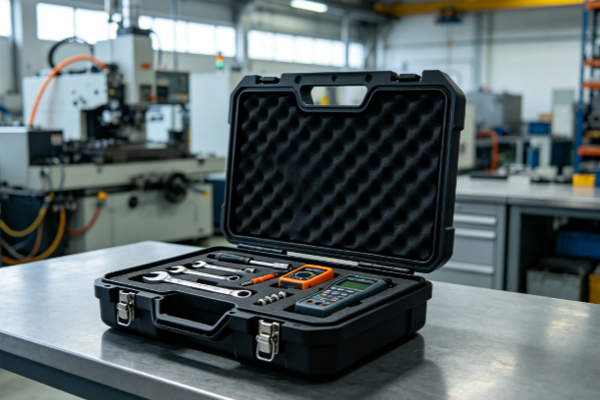
Internal organization is another important consideration. Tool boxes with trays, dividers, and separate storage compartments can keep frequently used tools apart from small accessories and prevent items from becoming mixed together. For users who store metal tools, it is best to place tools inside the box when they are dry and avoid keeping visibly wet tools in a closed container for extended periods.
Moisture-resistant plastic tool boxes made from PP, ABS, HDPE, and other engineering plastics can meet the needs of home repairs, property maintenance, mechanical servicing, equipment inspection, and outdoor construction. Plastic box bodies are less prone to traditional metal rust, relatively lightweight, and easy to clean, while different materials provide different levels of toughness, strength, and environmental adaptability. When selecting a product, users can consider actual tool weight, working locations, transportation frequency, and internal storage requirements. A moisture-resistant plastic tool box with suitable materials, a strong structure, and a reliable closing system can provide a more stable and convenient solution for everyday tool storage and transportation.