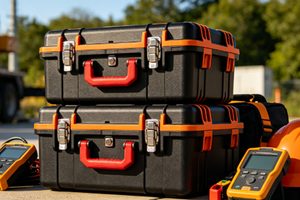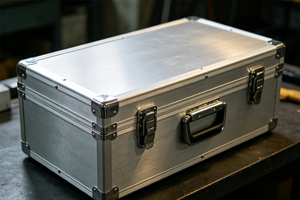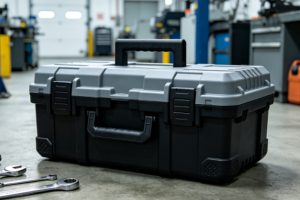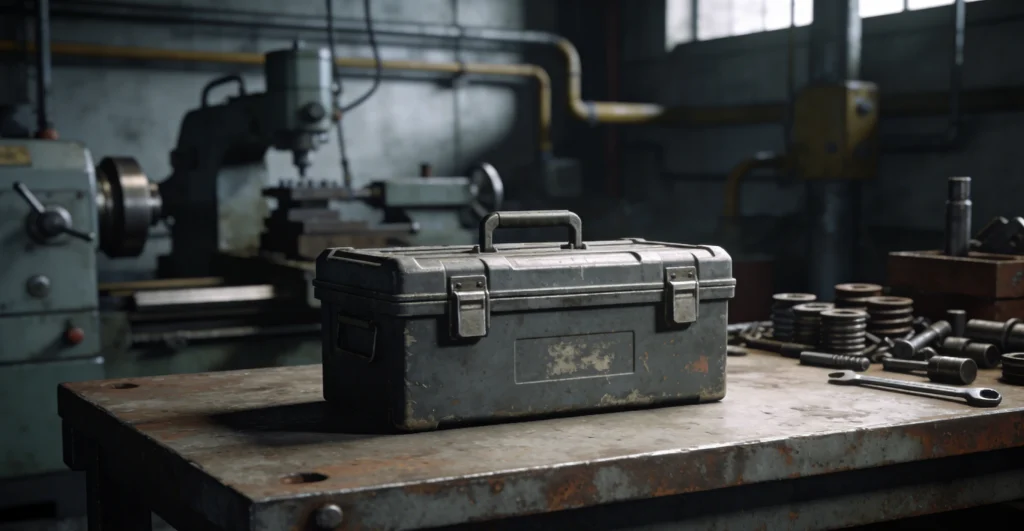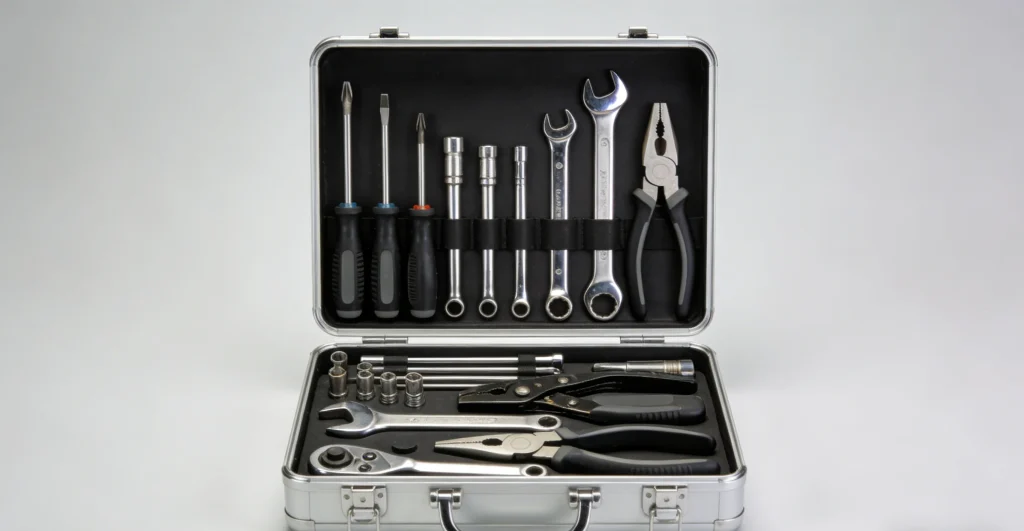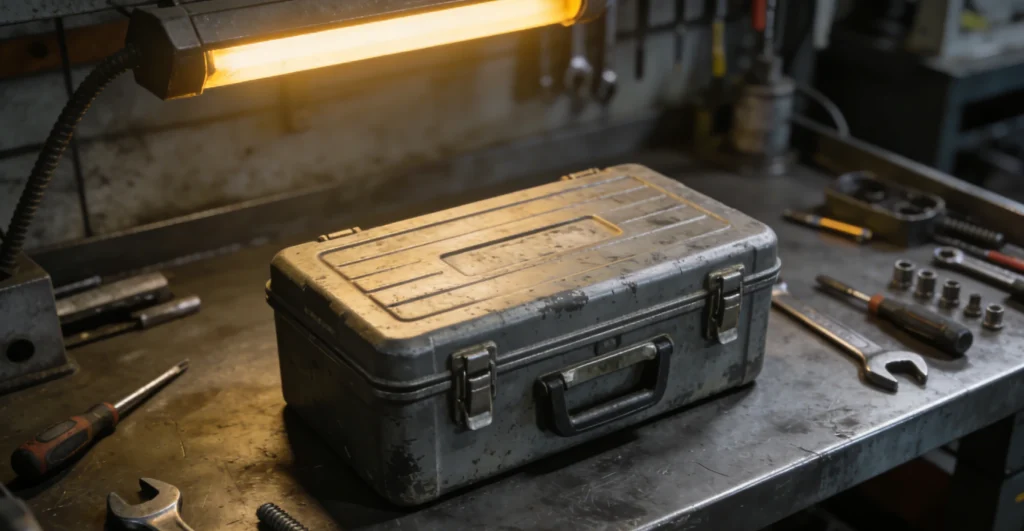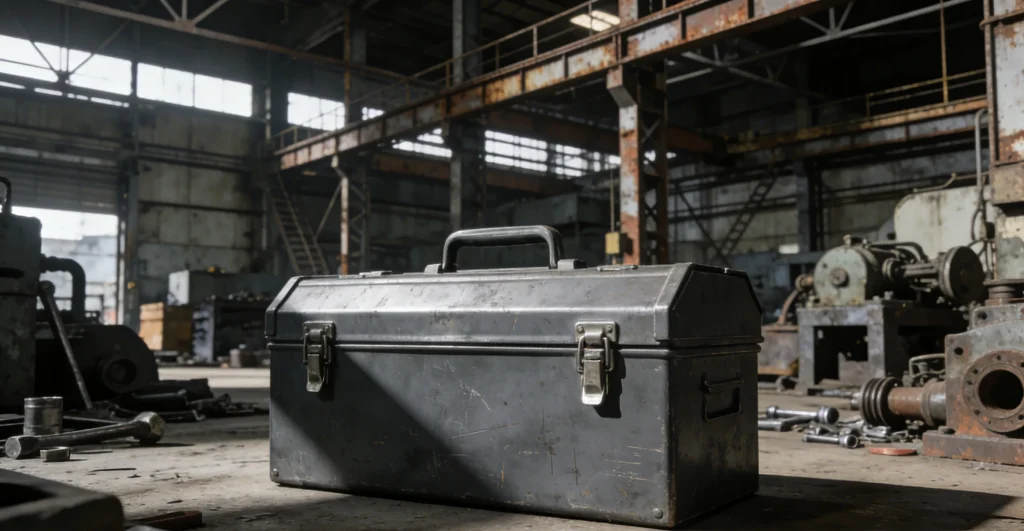
Lorry tool boxes are typically installed on the side of the vehicle, underneath the chassis, or near the cargo bed, where they are continuously exposed to sunlight, rain, dust, mud, flying gravel, and constant vehicle vibration. Therefore, the durability of a toolbox depends not only on its overall structural design but also directly on the materials used. If the material lacks sufficient strength, long-term transportation can lead to box deformation, surface wear, damaged corners, and loose latches, reducing both the service life and safety of the toolbox. A durable lorry tool box is usually not made from a single material. Instead, it combines different materials so that each component performs a specific function. For example, the frame provides structural support, the outer panels offer impact and wear resistance, and the corner protectors help prevent collision damage.
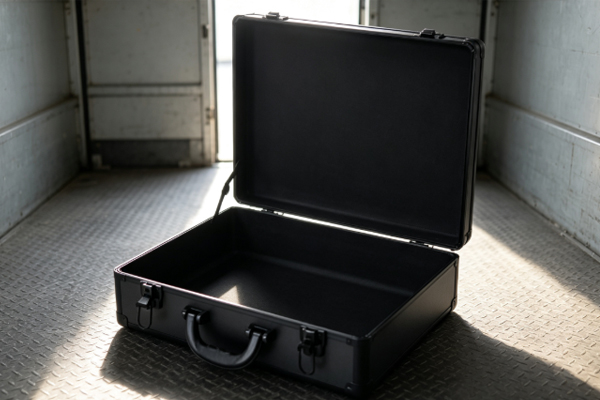
A well-balanced combination of materials not only improves the overall strength of the toolbox but also minimizes wear during long-term transportation. Among the products currently available on the market, a design featuring a reinforced aluminum-magnesium alloy frame, metal corner protectors, and high-density textured ABS panels provides an excellent balance of strength, weight, and durability. This combination is particularly suitable for truck transportation, construction vehicles, and outdoor maintenance applications.
Which Materials Are Best for Lorry Tool Boxes?
Reinforced Aluminum-Magnesium Alloy Frame
Lorry tool boxes must support various repair tools, spare parts, and daily supplies over long periods, making the frame material a key factor in overall structural strength. Compared with standard aluminum, a reinforced aluminum-magnesium alloy frame offers greater structural stability while maintaining a relatively lightweight design. Aluminum-magnesium alloy is highly corrosion-resistant and does not rust easily. Even when mounted on the exterior of a vehicle for extended periods, it performs well in rain, humid conditions, and high temperatures. For lorries used in long-distance transportation, this material helps reduce maintenance requirements. The reinforced design also increases compression resistance. Even under continuous vibration during transportation, the frame maintains its structural integrity and is less likely to deform.
Common advantages include:
- Lightweight construction that reduces vehicle load
- Excellent corrosion resistance for long-term outdoor use
- Strong load-bearing capacity for storing repair tools
- Minimal deformation after prolonged use
For transport vehicles that frequently load and unload tools, a toolbox with a reinforced aluminum-magnesium alloy frame provides reliable support and improves overall durability.
High-Density Textured ABS Panels
Besides the frame, the exterior panels also provide important protection. Many premium lorry tool boxes are equipped with high-density textured ABS panels. ABS material offers excellent toughness. Even when subjected to moderate impacts, it is far less likely to crack than ordinary plastic. Its high-density construction also increases surface hardness, making the toolbox more resistant to wear during daily transportation.
The textured finish also offers several advantages:
- Better resistance to scratches
- Easier daily cleaning
- Less visible stains and dirt
- Maintains an attractive appearance over time
During transportation, toolboxes are often struck by flying stones and impacted by tools. ABS panels absorb part of the impact force, reducing damage to the toolbox body, which is why they are widely used in lorry tool boxes.
Which Structural Features Improve Durability?
Metal Corner Protectors Provide Stronger Protection
The four corners of a lorry tool box are usually the areas most susceptible to impacts. During reversing, cargo loading, or tool handling, these corners can easily collide with surrounding equipment. Without reinforcement, the edges may become deformed or cracked. Therefore, many high-quality lorry tool boxes feature metal corner protectors. These protect the edges while distributing impact forces to reduce structural damage.
Metal corner protectors provide the following benefits:
- Improved corner impact resistance
- Reduced wear from transportation-related collisions
- Extended toolbox service life
- Greater overall structural stability
This design is especially valuable for vehicles that regularly operate on rough roads or construction sites.
Metal Latches and Hardware Improve Durability
Since a toolbox is opened and closed frequently every day, latch quality has a direct impact on long-term performance. Plastic latches tend to deteriorate over time, while metal latches withstand significantly more operating cycles and provide superior wear resistance.
Many premium lorry tool boxes also feature:
- Dual metal anti-theft latches
- Reinforced hinges
- Rust-resistant fasteners
- Strengthened lock mounting plates
Although these components are relatively small, they greatly improve the overall durability of the toolbox.
Overall Structural Design Determines Service Life
A durable toolbox relies not only on quality materials but also on a well-engineered structure. For example, the frame supports heavy loads, the ABS panels absorb impacts, and the metal corner protectors shield vulnerable edges. Together, these components improve the stability and durability of the entire toolbox. With a properly designed structure, the toolbox can remain in excellent condition even after years of transporting heavy tools.
How Should You Choose Between Different Toolbox Materials?
Many buyers assume that metal toolboxes are always more durable than other materials. In reality, every material has its own strengths, and the best choice depends on the intended application.
Long-Haul Transport Vehicles
Long-distance lorries travel extended distances every day and must withstand constant vibration and changing weather conditions. A toolbox featuring a reinforced aluminum-magnesium alloy frame, ABS panels, and metal corner protectors is recommended. This construction remains lightweight while providing the durability needed for long-term transportation.
Construction Vehicles
Construction vehicles operate in demanding environments where they are frequently exposed to dirt, rocks, and heavy machinery. A toolbox with reinforced corners and excellent impact resistance should be prioritized to improve protection against collisions.
Standard Freight Vehicles
General freight vehicles often require careful weight management. A toolbox combining an aluminum-magnesium alloy frame with ABS panels provides an excellent balance between durability and lightweight performance, minimizing additional vehicle weight.
Frequently Asked Questions
Do Aluminum-Magnesium Alloy Toolboxes Rust Easily?
Generally, no. Aluminum-magnesium alloy offers excellent corrosion resistance and is much better suited than ordinary steel for long-term exterior installation on vehicles. With normal use and routine cleaning, it can maintain both its appearance and performance for many years.
Are ABS Panels Strong?
Yes. High-density ABS panels provide excellent toughness and impact resistance, allowing them to withstand minor impacts encountered during daily transportation. Their textured finish also offers excellent wear resistance and helps prevent noticeable scratches.
Are Metal Corner Protectors Really Necessary?
Yes. The corners of a lorry tool box are among the most vulnerable areas. Metal corner protectors help minimize collision damage and are particularly important for vehicles used in long-term transportation.
The durability of lorry tool boxes depends largely on both material selection and structural design. A reinforced aluminum-magnesium alloy frame provides reliable structural support while maintaining a lightweight design and strong load-bearing capacity. High-density textured ABS panels offer excellent wear resistance and impact protection for the toolbox exterior, while metal corner protectors reduce collision damage and extend the overall service life.
When selecting lorry tool boxes, buyers should consider more than just appearance and price. Equal attention should be given to the frame, outer panels, corner protection, and hardware. A toolbox built with high-quality materials and a robust structural design is better suited for long-haul transportation, construction work, and outdoor applications, helping users protect their tools, improve daily efficiency, and reduce long-term maintenance and replacement costs.