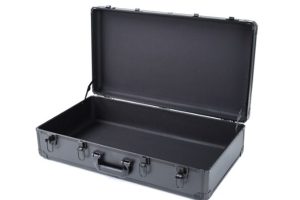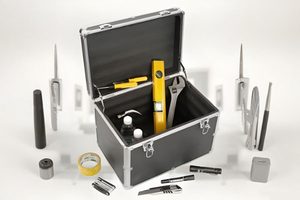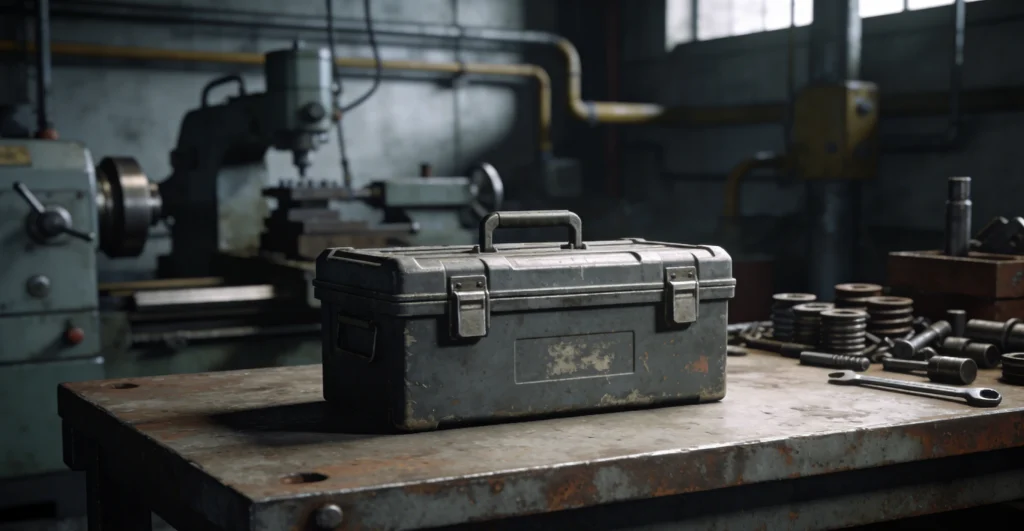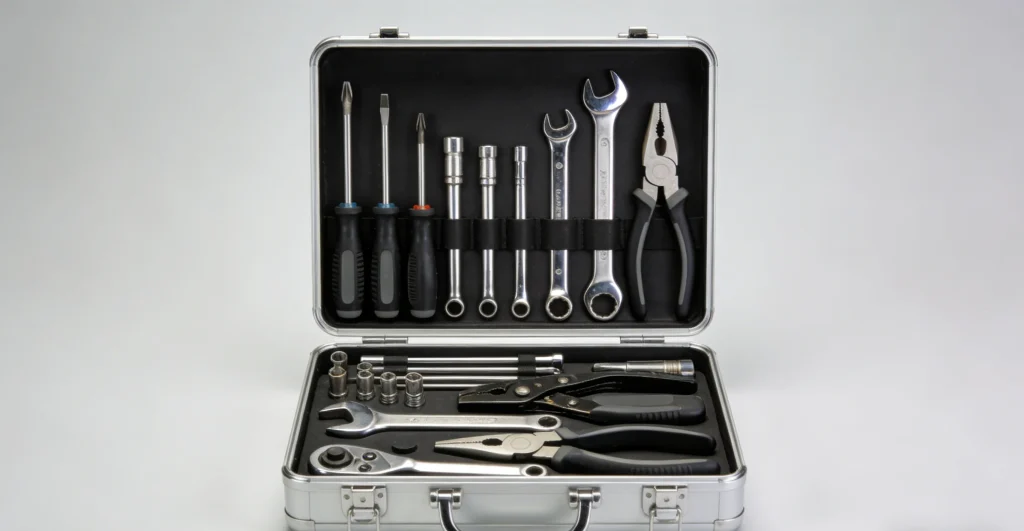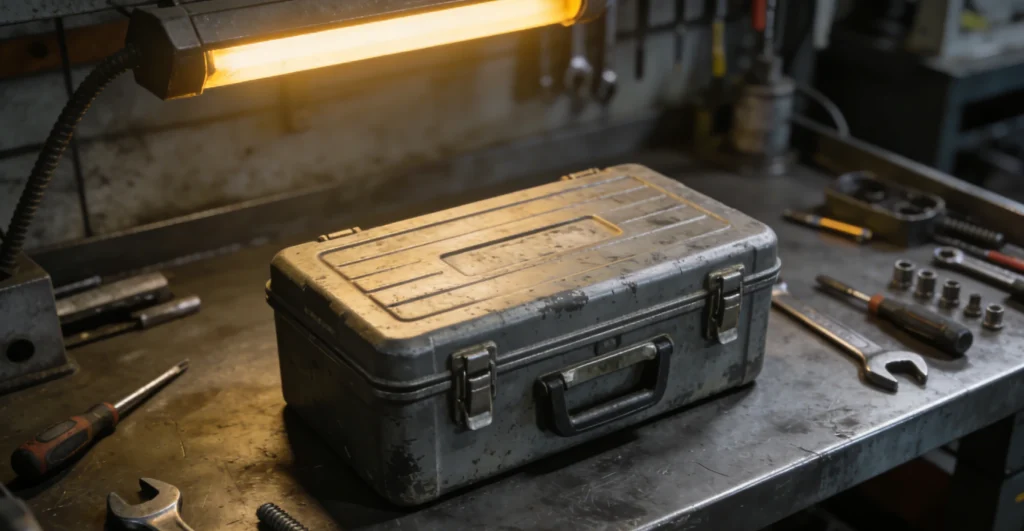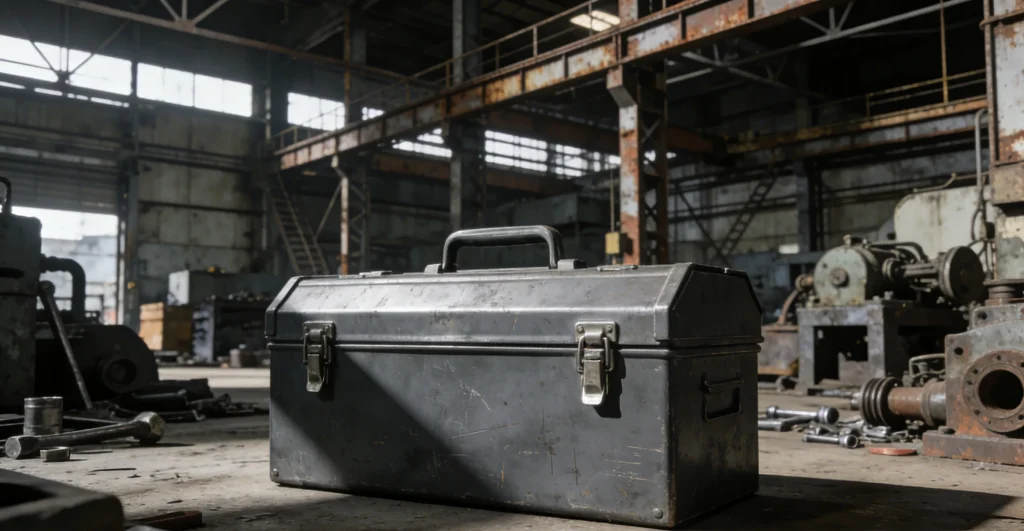
In maintenance, industrial production, and engineering work environments, the number of tools continues to grow, making it increasingly important to organize, locate, and carry tools quickly in order to improve work efficiency. Traditional tool boxes usually adopt a single storage structure, and when the variety of tools increases, problems such as insufficient space, disorganized placement, and inconvenient access can easily occur. Stackable tool boxes, through their stacked combination, layered management, and flexible expansion design, make tool storage more systematic. Whether for professional maintenance workers, engineering teams, or home DIY users, a properly configured stackable tool box can improve tool management efficiency and make workflows smoother.
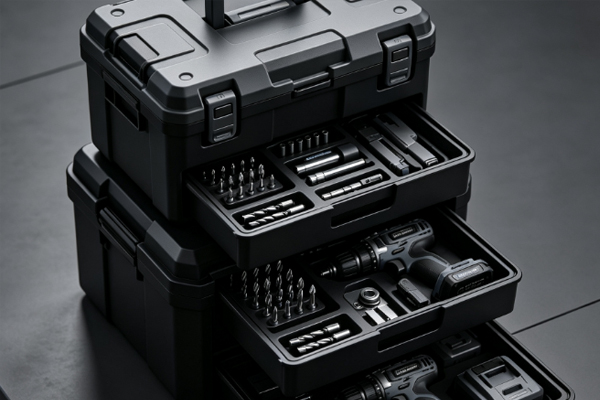
Stackable Tool Boxes Optimize Tool Classification Management
The core advantage of stackable tool boxes lies in their more flexible structure, allowing different modules to be classified according to tool type and improving overall management efficiency.
Layered Design Reduces Tool Clutter
When there are many types of tools, proper classification can reduce search time and improve the daily user experience.
- Different tools stored separately: According to usage needs, power tools, hand tools, and maintenance accessories can be placed in different boxes, reducing tool pile-up issues.
- Frequently used tools are easy to access: Tools used often, such as wrenches and screwdrivers, can be placed in easy-to-reach positions, improving operational efficiency during maintenance work.
- Small accessories managed centrally: Parts such as screws, nuts, and drill bits can be stored in separate spaces to reduce scattering and loss.
A clear classification method makes tool management more intuitive and also helps users develop more standardized storage habits.
Modular Combination Improves Space Utilization
The stackable structure allows the tool box to adjust its combination according to actual needs. When the number of tools increases, new modules can be added directly without replacing the entire storage system; tool boxes of different sizes can also be flexibly combined to meet the storage needs of large tools, small accessories, and professional equipment. The stacked design also makes full use of vertical space, giving limited areas greater storage capacity. After space is used more efficiently, the tool management area can remain cleaner and more organized.
Stackable Tool Boxes Improve Work Mobility Efficiency
Maintenance and engineering tasks often require changing work locations, so the portability of the tool box directly affects on-site work efficiency.
More Flexible Carrying Methods
Through modular design, stackable tool boxes allow users to choose carrying methods according to the task.
- Carry tool modules as needed: For short-term maintenance tasks, only the corresponding tool box module needs to be carried, reducing the burden of bringing unnecessary equipment.
- Quick switching across multiple scenarios: In workshops, construction sites, and outdoor maintenance environments, tool combinations can be adjusted according to the work area.
- Reduced carrying pressure: After tool weight is properly distributed, movement becomes easier, making it suitable for long-duration work.
Flexible mobility helps maintenance personnel improve on-site response speed.
Stable Structure Ensures Transport Safety
Tools are easily affected by collisions during movement, so the structural stability of the tool box is very important.
- More secure stacking connection: Professional stackable tool boxes usually adopt stable connection structures to reduce shaking during transport.
- Protect internal tools: The enclosed design can reduce the impact of dust and collisions on tools.
- Improved transport convenience: Even after multiple tool boxes are combined, the overall structure remains stable, making it more suitable for engineering transport and on-site use.
A stable structure extends tool management from fixed storage to mobile work environments.
Stackable Tool Boxes Are Suitable for Multiple Work Scenarios
Different usage environments have different requirements for tool management methods, and stackable tool boxes can meet a variety of application scenarios through modular combination.
Improve Management Efficiency in Industrial Maintenance Scenarios
Industrial production environments usually require a large number of professional tools and place greater emphasis on the completeness of the storage system. Stackable tool boxes can help maintenance personnel classify tools according to equipment type and frequency of use, allowing inspection tools, maintenance tools, and spare parts to be stored separately in different boxes. This not only reduces tool clutter but also makes on-site searching more efficient. For industrial environments with high-frequency operations, a stable and durable tool box structure can also support long-term use and help enterprises establish a more standardized tool management system.
Improve Storage Convenience in Home DIY Scenarios
Home users usually focus on space utilization and ease of use, and stackable tool boxes also offer high practical value.
- Save storage space: The stacked method reduces the area occupied by tools and is suitable for garages, storage rooms, and similar spaces.
- Meet daily maintenance needs: Common household tools can be centrally managed, making installation, repair, and renovation work more convenient.
- Keep the environment tidy: Classified storage reduces the random placement of tools and keeps the work area cleaner.
With proper configuration, stackable tool boxes can balance household convenience with space management needs.
Stackable Tool Boxes Bring Long-Term Management Value
Tool management is not a short-term organizing task, but a continuous optimization process as the number of tools grows. Stackable tool boxes offer stronger expansion capabilities and can meet long-term usage needs.
Expansion Capability Adapts to Tool Growth
As work experience increases, the number of tools users own usually continues to grow.
- Easy to add modules later: When new tools are added, storage space can be expanded by adding more boxes.
- Lower replacement costs: There is no need to repurchase a large tool box, reducing repeated investment.
- Maintain a stable management system: The original classification method can be continuously optimized to improve long-term efficiency.
The expandable design allows the tool box to adapt to tool management needs at different stages.
Durable Design Extends Service Life
Tool boxes are exposed to carrying, collisions, and frequent use over long periods, and structural quality determines the actual user experience.
- High-strength materials enhance stability: Durable materials can withstand long-term use and improve tool box reliability.
- Protective design reduces wear: Reinforced corners and connection structures lower the risk of damage during transport.
- Optimized details improve the experience: Smooth opening and closing structures and stable connection methods make daily operation more convenient.
Excellent structural design helps stackable tool boxes maintain long-term practical value.
Through flexible combination, classified management, and space optimization, stackable tool boxes effectively solve the problems of insufficient capacity and disorganized management found in traditional tool boxes. In industrial maintenance, engineering construction, and home DIY scenarios, they help users quickly organize tools, improve access efficiency, and meet future tool growth needs. SIPHIA BOX focuses on high-quality tool storage solutions and, through professional structural design and practical functional configurations, creates a more efficient and organized tool management experience for users. Choosing the right stackable tool box can make tool organization easier and daily workflows smoother.