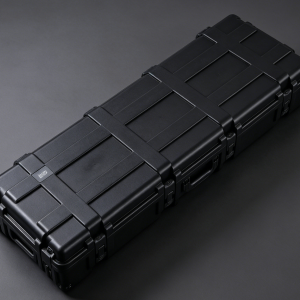
Metal tool cabinets and portable metal toolboxes are common storage solutions for tools, widely used in industrial production, mechanical repair, automotive maintenance, and equipment servicing. Although both offer durability and organized tool storage, they differ significantly in structural design, storage capacity, mobility, and suitable working environments. For purchasing managers, maintenance teams, and industrial equipment administrators, understanding these differences helps them choose the right tool storage solution for their specific needs.
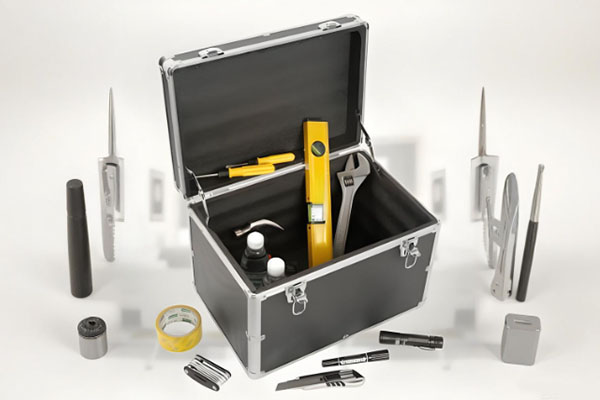
Key Differences Between Metal Tool Cabinets and Portable Metal Toolboxes
Differences in Structural Design and Storage Capacity
Metal tool cabinets typically feature vertical or multi-drawer designs with relatively large dimensions and substantial storage capacity. Their interiors can include drawers of different sizes, dividers, and dedicated storage compartments for wrenches, pliers, socket sets, power tools, and other maintenance accessories. Metal tool cabinets are particularly suitable for factories and repair workshops that need to organize and store large quantities of tools in one location.
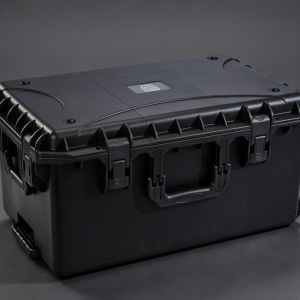
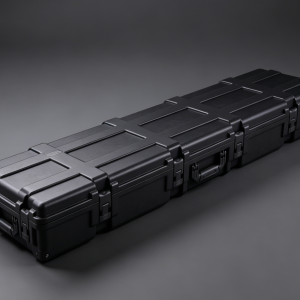
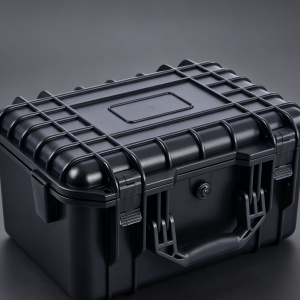
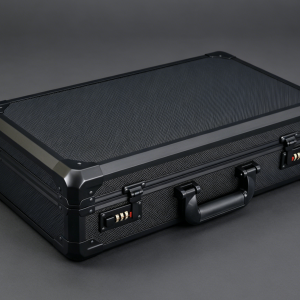
Portable metal toolboxes generally feature compact enclosures equipped with handles, latches, and removable dividers. Some models incorporate multi-layer trays or modular storage systems, allowing users to carry frequently used tools between different work locations. Compared with large tool cabinets, portable metal toolboxes usually offer less storage capacity but greater flexibility for transportation and temporary maintenance tasks.
Differences in Metal Materials and Load-Bearing Requirements
Metal tool cabinets are commonly manufactured from steel sheets to provide sufficient structural strength for larger storage capacities and heavier loads. The cabinet body, drawer slides, bottom supports, and door connections all influence overall stability. For applications involving heavy tools or industrial components, buyers should pay particular attention to steel sheet thickness, structural reinforcement, and the rated load capacity of individual drawers.
Portable metal toolboxes must balance structural strength with overall weight. Steel toolboxes are suitable for maintenance tasks that require durability and robust protection, while aluminum alloy toolboxes are often preferable for jobs involving frequent transportation. Buyers should also inspect handles, hinges, latches, and reinforced corners to ensure that the toolbox can be carried safely under normal loading conditions.
Differences in Mobility and Space Requirements
Metal tool cabinets are generally positioned at fixed workstations, although some models are equipped with casters for mobility. For mobile cabinets, important considerations include stability under full load, braking performance, and suitability for different floor surfaces. Larger cabinets also require sufficient floor space for installation and drawer access.
Portable metal toolboxes are usually carried by hand using built-in handles. They are suitable for transportation between workshops, equipment sites, warehouses, and outdoor workplaces. Some models can also be stored in service vehicles, enabling technicians to carry essential tools for on-site repairs, equipment installation, and field maintenance.
Comparing the Applications of Metal Tool Cabinets and Portable Metal Toolboxes
Factory Workshops and Production Line Maintenance: Metal Tool Cabinets
In machining workshops, production lines, and equipment maintenance areas, workers often handle a wide variety of tools that require frequent access. Centralized storage helps improve organization and retrieval efficiency. Metal tool cabinets allow companies to classify tools by type, equipment number, or maintenance procedure, making it easier for employees to locate the tools they need.
For companies conducting routine inspections and preventive maintenance, labeled drawers, designated storage areas, and consistent placement can support effective tool management. These practices also help reduce misplaced tools and unnecessary replacement purchases.
Automotive Repair and Field Maintenance: Portable Toolboxes
Automotive repairs, equipment installation, and outdoor maintenance often require technicians to work in different locations. Portable metal toolboxes provide convenient storage for frequently used wrenches, screwdrivers, pliers, and measuring instruments, reducing unnecessary trips to retrieve tools.
For transporting precision instruments or fragile components, internal dividers and protective padding can provide additional protection. When a maintenance task requires numerous heavy tools, buyers should select a toolbox with an appropriate load capacity and avoid overloading it.
Warehouses and Equipment Management Centers: Combining Both Solutions
In large factories, maintenance warehouses, and equipment management centers, metal tool cabinets and portable metal toolboxes do not necessarily replace one another. Companies can use tool cabinets for centralized storage and routine inventory management while preparing portable toolboxes for specific maintenance tasks.
This combined approach helps maintain organized inventory while supporting on-site repairs and mobile operations. Businesses with multiple maintenance teams can also assign separate toolboxes according to job roles or equipment categories, making tool distribution, returns, and regular inventory checks easier to manage.
How to Choose the Right Metal Tool Storage Solution
Before purchasing, consider the number of tools, individual tool weights, usage frequency, working locations, and available storage space. Metal tool cabinets are generally more suitable when a large variety of tools must be organized and stored at fixed workstations. Portable metal toolboxes offer greater advantages for field installation, outdoor maintenance, and tasks that require frequent movement between locations.
Surface finishes, lock quality, structural connections, and internal organization are also important purchasing considerations. Paint or powder coating can provide a degree of surface protection, although actual corrosion resistance depends on the material, coating process, and operating environment. For workplaces exposed to moisture or oil, the protective specifications should be selected according to actual conditions.
SIPHIA BOX provides tool storage solutions for different organizational and application requirements. Choosing between a metal tool cabinet and a portable metal toolbox can improve storage organization and maintenance efficiency. Businesses should select the product structure, material, and capacity according to their actual working environments rather than making purchasing decisions based solely on size or price.