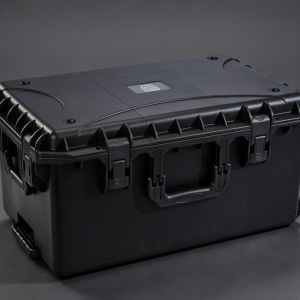
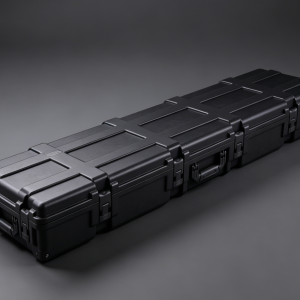
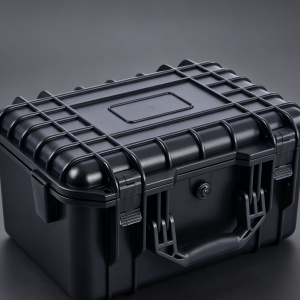
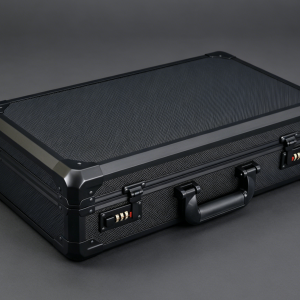
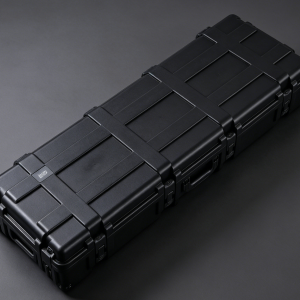
A plastic tool box is not only used for storing and carrying tools, as its internal structure can also directly affect the user experience. Among the various internal components, the tray is a common and important design feature in many plastic tool boxes. A well-designed tray can separate frequently used tools, small parts, and maintenance accessories, allowing the internal space of the tool box to be used more efficiently. For home repair users, property maintenance workers, automotive technicians, equipment maintenance personnel, and construction workers, the number of tools can often be quite large. If all tools are placed directly at the bottom of the box, they can easily become disorganized and take more time to locate. Through layered and categorized storage, an internal tray provides relatively independent positions for items of different sizes, making daily access, transportation, and organization more convenient.
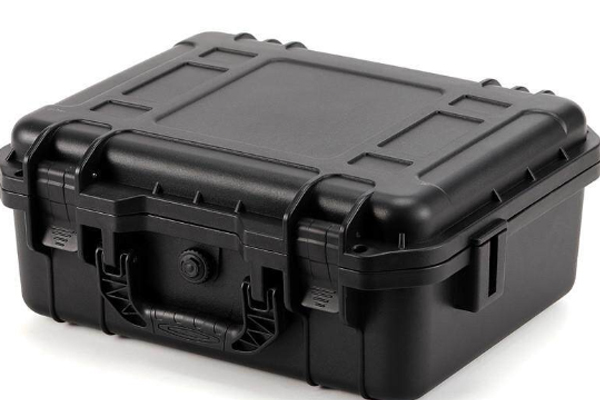
Internal Trays Can Improve Tool Organization Efficiency
A tool box may contain screwdrivers, pliers, wrenches, tape measures, drill bits, screws, and other maintenance supplies. These items differ significantly in length, weight, and frequency of use. If everything is placed directly at the bottom of the tool box, smaller tools and components can easily be covered by larger equipment. An internal tray adds an independent storage level to the upper section of the tool box, separating frequently used items from heavier or larger tools and making the internal layout easier to manage.
After using a tray, maintenance workers can place frequently used tools in easily accessible positions, while larger tools that are used less often can be stored at the bottom of the tool box. For example, screwdrivers, voltage testers, small pliers, and tape measures can be placed in the tray, while pipe wrenches, adjustable wrenches, and other larger tools can be stored in the lower section. This layered storage method can reduce the number of times users need to search through the entire tool box and can also prevent small items from being placed underneath heavy tools.
For work that requires carrying a variety of spare parts and accessories, an internal tray can also help establish a consistent storage system. When each tool has a relatively fixed position, workers can find the items they need more quickly during use. It also becomes easier to check whether all tools are present after the job is completed, improving the convenience of daily tool management.
Main Practical Functions of Plastic Tool Box Internal Trays
Different types of tool box trays may have different structural designs. Some use a simple single-layer layout, while others include multiple compartments, adjustable dividers, or dedicated tool slots. A reasonable design based on tool types and actual usage requirements can help the internal tray provide more effective storage.
- Storing frequently used tools: Internal trays are usually located in the upper part of the tool box, allowing users to see the stored items immediately after opening the lid. Frequently used tools such as screwdrivers, pliers, utility knives, tape measures, and measuring tools can be placed in the tray, reducing the need to search through the entire tool box. During maintenance, installation, and construction work, this design keeps commonly used tools within easy reach.
- Separating large and small tools: A tray can divide the inside of a tool box into upper and lower storage areas. The upper section is suitable for smaller and lighter tools, while the lower section can store larger items such as wrenches, hammers, and power tool accessories. Layered storage can improve the use of internal space while reducing the confusion caused by tools of different sizes being stacked together.
- Storing screws and maintenance accessories: Many tool box trays include separate small compartments for screws, nuts, washers, nails, drill bits, connectors, and other small components. With categorized storage, accessories of different sizes are less likely to become mixed together, allowing maintenance workers to find the required parts more quickly.
- Reducing collisions between tools: Tools can move and shake during transportation. When metal tools are stored together without separation, they may collide and create friction. An internal tray can keep certain tools apart and reduce excessive piling inside the tool box. For measuring tools, small instruments, and items that are easily scratched, separate storage areas can also provide additional protection.
- Making tool organization faster and easier: After work is completed, maintenance workers can return tools to their original positions in the tray. Fixed storage areas make organization simpler and also allow users to quickly check whether commonly used tools have been returned to the tool box before leaving the worksite.
These functions make an internal tray more than a simple partition structure. It can also help users establish a clearer tool management system and improve the practical value of a plastic tool box in different working environments.
Tray Design Can Improve Internal Space Utilization
The external size of a tool box is usually limited by portability requirements. Simply increasing the size of the box may allow more tools to be stored, but it can also increase the overall weight and make transportation less convenient. Through a layered structure, an internal tray can create more usable storage areas within a limited amount of space. The upper tray is mainly used for small and frequently used tools, while the lower section can store larger equipment, allowing items of different sizes to be arranged more efficiently.
For longer tools, some trays use an open design that allows screwdrivers, pliers, and similar items to be placed according to their length. Small components can be separated by using individual compartments. Some plastic tool boxes also feature removable trays. When users need to access large tools stored in the lower section, the tray can be lifted out directly instead of removing small tools one by one.
A reasonable internal layout is particularly important for professional maintenance workers. Different maintenance tasks require different tools, and the required equipment may change from one job to another. If the tray provides a certain level of flexibility, users can adjust the storage arrangement according to the tools they need to carry on a particular day. Compared with placing everything together, layered storage can also help keep items more stable during transportation and reduce the possibility of all tools shifting into the same area.
Different Tray Structures Are Suitable for Different Tool Requirements
Internal trays in plastic tool boxes are not limited to a single design. Manufacturers can develop different structures according to the size of the tool box, target users, and working environment. When choosing a tool box, users can consider not only the box material and external dimensions but also whether the tray layout is suitable for the types of tools used on a daily basis.
- Single-layer trays are suitable for basic daily repairs: A simple single-layer tray is suitable for home use and general maintenance work. It can store basic tools such as screwdrivers, pliers, tape measures, and voltage testers. This type of tool box is easy to use and allows users to quickly see commonly used items after opening the lid, making it suitable for people who carry a relatively small number of tools.
- Multi-compartment trays are suitable for work involving many accessories: If a job requires a large number of screws, nuts, washers, drill bits, and connectors, a multi-compartment tray can provide more detailed storage. Components of different sizes can be stored separately, reducing the difficulty of locating parts after they become mixed together. This type of structure is suitable for equipment installation, mechanical maintenance, and assembly work.
- Removable trays are suitable for storing larger tools: Some tool boxes use removable trays that can be lifted out when access to the lower storage area is required. This design is suitable for workers who need to carry both small hand tools and larger equipment, providing greater flexibility when using the internal space of the tool box.
- Trays with tool slots are suitable for fixed placement: Some trays include specially designed grooves that allow specific tools to be placed in fixed positions. Tools are less likely to roll around inside the box, and the contents remain more organized after opening the lid. This structure is suitable for maintenance and construction workers who have higher requirements for tool organization.
The choice of tray structure should be based on the actual tools being carried. For work involving many small parts, a multi-compartment design may be more suitable. When larger tools are required, a removable tray and a deeper lower storage area can provide greater convenience. A well-designed internal layout can improve the practical efficiency of a tool box and reduce the time required for organization after work.
The Practical Value of Internal Trays in Daily Tool Management
During long-term use, the convenience of a tool box depends not only on its external material but also on whether its internal structure is properly designed. An internal tray allows tools to be stored in relatively fixed positions, helping workers gradually develop organized storage habits. Before beginning work, users can quickly check the tray to confirm whether commonly used tools are available. After maintenance is completed, tools can be returned to their designated positions, reducing the possibility of missing items.
For property maintenance, home repair, automotive servicing, equipment inspection, and construction work, workers often need to travel between different locations. A tool box may shake during transportation, and without a reasonable layered structure, small tools can easily become mixed with larger equipment. A tray can keep certain tools in the upper section and maintain a clearer internal arrangement, allowing workers to begin their tasks more quickly after arriving at the worksite.
Internal trays in plastic tool boxes also provide practical flexibility. Trays of different sizes can be adapted to different box specifications, and some products allow users to adjust the internal storage space according to their needs. For companies that sell tool boxes, a reasonable design for tray dimensions, depth, compartments, and load capacity can also improve the overall user experience of the product.
From everyday household repairs to professional construction and maintenance work, internal trays are one of the practical components of a plastic tool box. They can help users organize tools, create upper and lower storage levels, improve space utilization, simplify the management of small accessories, and reduce the time spent searching for and organizing equipment. When choosing a plastic tool box, users can consider not only the material, capacity, and appearance of the box but also their own tool types and usage habits. Selecting a product with a well-designed tray layout can make tool storage and on-site work more convenient.