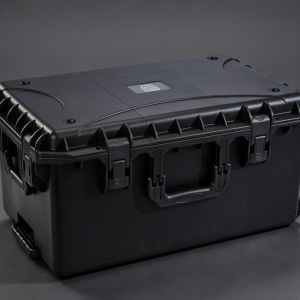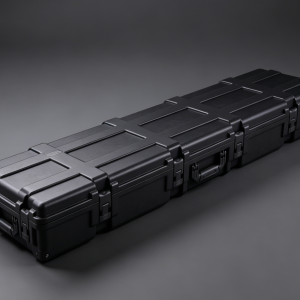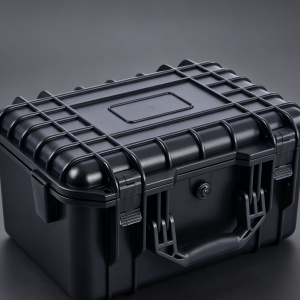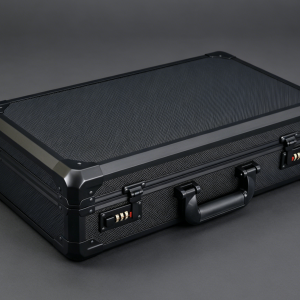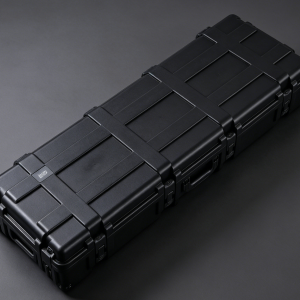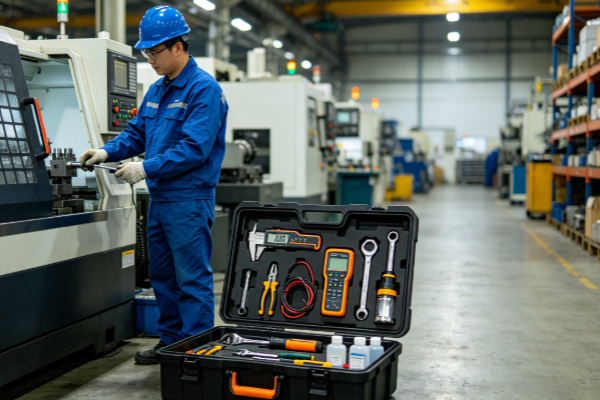
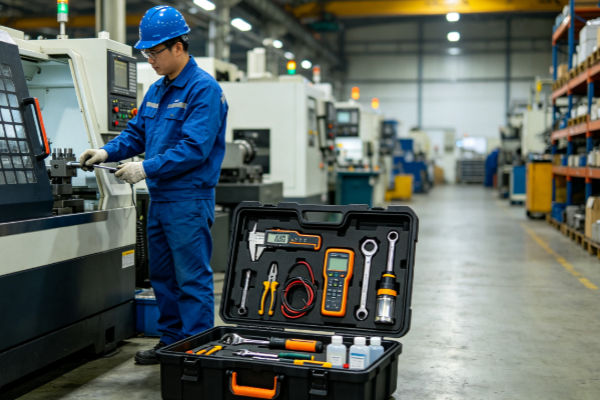
Plumbing and electrical maintenance involves a wide range of tasks, including circuit inspection, wiring installation, pipe maintenance, valve replacement, and equipment servicing. Maintenance technicians usually need to carry many different tools and spare parts to complete their work efficiently. Compared with ordinary tool bags, tool boxes provide a more stable storage space, allowing wrenches, pliers, screwdrivers, measuring instruments, and small accessories to remain organized. Plastic tool boxes are commonly manufactured from engineering plastics such as ABS, PP, and HDPE. They are lightweight, moisture-resistant, corrosion-resistant, and easy to clean, making them practical for residential repairs, property maintenance, renovation projects, and industrial equipment servicing. In plumbing and electrical environments where water vapor, dust, and construction debris are common, a well-designed plastic tool box can make transportation more convenient while reducing tool scattering, impact, and loss.
Plastic Tool Boxes Are Suitable for Plumbing and Electrical Work Environments
Plumbing and electrical maintenance is rarely performed in one fixed location. Technicians may need to carry tools from a warehouse to residential buildings, basements, kitchens, bathrooms, equipment rooms, or utility areas. Plastic tool boxes are relatively lightweight, so they do not create excessive carrying pressure while providing a more stable protective space than ordinary tool bags. Technicians can select a suitable box size according to the day’s maintenance tasks and keep commonly used tools together.
During plumbing repairs, the working area may contain water droplets, moisture, or even small amounts of standing water. Unlike conventional metal boxes, plastic boxes are not prone to rust caused by moisture. During electrical maintenance, a plastic tool box can also keep screwdrivers, pliers, measuring tools, and wiring accessories organized, reducing the time needed to locate equipment. For property maintenance teams, standardized tool boxes can be assigned according to job requirements, allowing technicians to quickly check whether all necessary equipment is available before leaving for a service call.
Application Features of Plastic Tool Boxes for Plumbing and Electrical Tool Storage
Plumbing and electrical work requires tools of many different sizes, ranging from small screws, terminals, and sealing rings to larger pipe wrenches, adjustable wrenches, and testing instruments. If all these items are placed in one open space, they may collide with each other during transportation and become difficult to locate. Plastic tool boxes equipped with trays, dividers, compartments, and adjustable storage areas can organize tools according to actual requirements and help technicians establish a consistent storage system.
- Organized storage for electrical tools: A plastic tool box can store insulated screwdrivers, needle-nose pliers, diagonal cutters, wire strippers, crimping tools, voltage testers, and other electrical tools in separate locations. Frequently used tools can be placed in the upper tray or near the lid, while testing instruments can be positioned in a more stable compartment to reduce unnecessary contact with heavier tools during transportation.
- Centralized storage for plumbing tools: Plumbing tasks involving faucets, valves, pipe fittings, and drainage systems may require adjustable wrenches, pipe wrenches, hex keys, measuring tapes, and sealing materials. A plastic tool box with sufficient internal capacity can keep these tools together while providing separate storage areas for pipe fittings and other replacement components.
- Separate storage for small accessories: Nuts, washers, screws, electrical terminals, cable ties, and sealing rings are small and can easily become scattered among larger tools. Tool boxes with transparent containers or dedicated compartments can keep these small components organized, allowing technicians to quickly locate the required size during maintenance work.
- Dedicated areas for meters and precision tools: Multimeters, measuring devices, and other testing equipment should not be freely mixed with wrenches, pipe tools, and other heavy equipment. A properly designed plastic tool box can provide separate storage areas for measuring instruments, creating a more stable environment and reducing the possibility of pressure or scratches during transportation.
A well-organized storage system makes plumbing and electrical tools easier to manage, helping technicians find equipment more quickly at the worksite while making it easier to check tools after the job is completed.
Moisture Resistance and Durability of Plastic Tool Boxes
Plumbing and electrical maintenance environments frequently involve contact with water, so tool boxes need to adapt well to humid conditions. Plastic materials do not experience conventional metal rusting, making plastic tool boxes suitable for kitchens, bathrooms, underground pipe areas, equipment maintenance rooms, and other working environments where moisture is present. If dust, water stains, or construction debris accumulate on the surface, the box can generally be wiped and cleaned easily. For technicians who use the same tool box every day, convenient cleaning helps maintain a suitable storage environment for their equipment.
The durability of a plastic tool box is also influenced by its material, wall thickness, reinforcement ribs, and overall structural design. Tool boxes made from tough engineering plastics can provide good resistance to everyday impacts and handling. Reinforced bottoms can support the weight of tools, while strengthened corners can reduce the risk of damage caused by repeated transportation. For technicians who frequently travel between different job sites, models with sturdy handles, reliable latches, and stable lids are practical choices.
When a tool box is frequently used in humid locations, the closing structure between the lid and body should also be considered. Some products use sealing strips or tight-fitting closures to reduce the entry of external moisture. However, a standard plastic tool box should not automatically be regarded as a professional waterproof protective case. The final selection should be based on humidity levels, exposure to water, and the protection requirements of the tools being carried.
Choosing Plastic Tool Boxes for Different Plumbing and Electrical Tasks
Different maintenance tasks require different quantities and types of tools, so choosing the largest possible tool box is not always the best solution. Household plumbing and electrical repairs usually involve screwdrivers, pliers, wrenches, voltage testers, measuring tapes, and other basic equipment, making a compact plastic tool box sufficient for many routine jobs. Professional plumbing installation may require several pipe wrenches, adjustable wrenches, fittings, and sealing materials, so a deeper box with greater internal capacity can be more appropriate. Electrical equipment maintenance may require both testing instruments and hand tools, making a tool box with dedicated meter storage particularly useful.
For property maintenance technicians, different plastic tool boxes can be prepared according to the type of work being performed. A lightweight box can be used for routine inspections, a medium-sized box can be assigned to plumbing repairs, and a larger model can be used for equipment servicing. Renovation workers may also need drill bits, screwdriver bits, measuring tapes, levels, fasteners, and various installation accessories, making a box with adjustable compartments and efficient space utilization a practical option. Selecting the box size according to tool quantity and work frequency can prevent overcrowding while avoiding unnecessary carrying weight.
How Plastic Tool Boxes Improve Plumbing and Electrical Maintenance Efficiency
Plumbing and electrical maintenance is highly site-oriented, and technicians often need to begin inspection and repair work quickly after arriving at a fault location. A tool box keeps scattered maintenance supplies in one dedicated storage space, reducing the time spent searching for and transporting equipment. A logical storage arrangement can also establish a consistent working routine. For example, frequently used screwdrivers, wrenches, and pliers can be placed in easily accessible locations, while spare parts and less frequently used tools can be stored in lower compartments. Over time, a consistent storage system can further improve on-site working efficiency.
Plastic tool boxes have practical value in property management, home maintenance, commercial facility servicing, and industrial equipment repair. For technicians who frequently travel between job sites, lightweight construction can reduce carrying fatigue. For plumbing work in humid environments, plastic materials can avoid the rust problems associated with conventional metal boxes. For maintenance tasks involving many small components, multi-compartment storage can improve parts management. Tool boxes can also help technicians check their equipment after completing a job, keeping commonly used tools in fixed positions and reducing the chance of leaving tools behind at the worksite.
When selecting a plastic tool box for plumbing and electrical maintenance, buyers can consider tool types, carrying capacity, working conditions, box dimensions, internal organization, and latch quality. Compact or medium-sized models are suitable for routine household maintenance, while professional installation and equipment servicing may require larger boxes with greater load capacity and more storage space. A properly selected plastic tool box provides an organized storage solution for plumbing and electrical equipment while improving portability, tool management, and efficiency during field maintenance work.