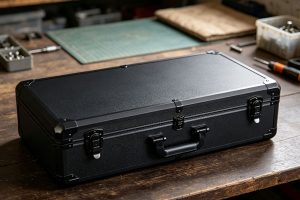
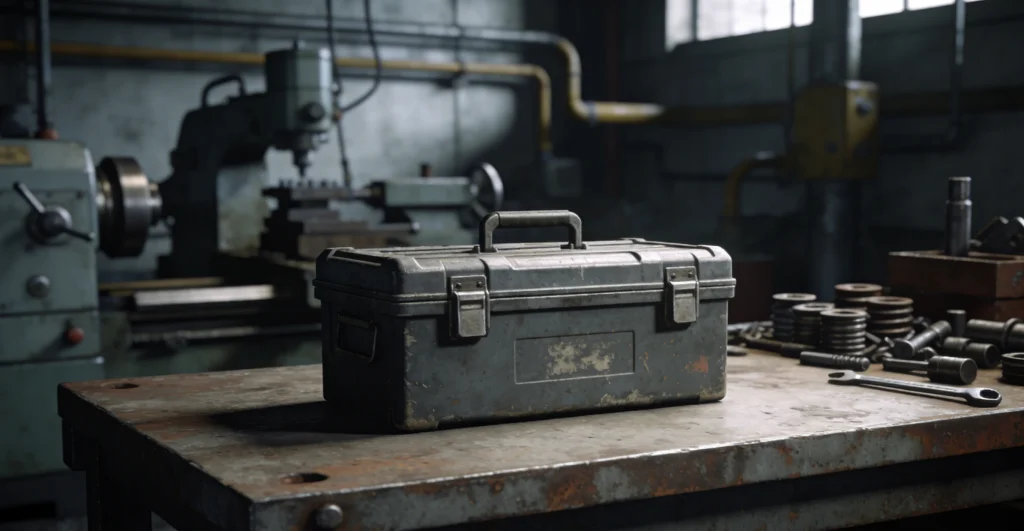
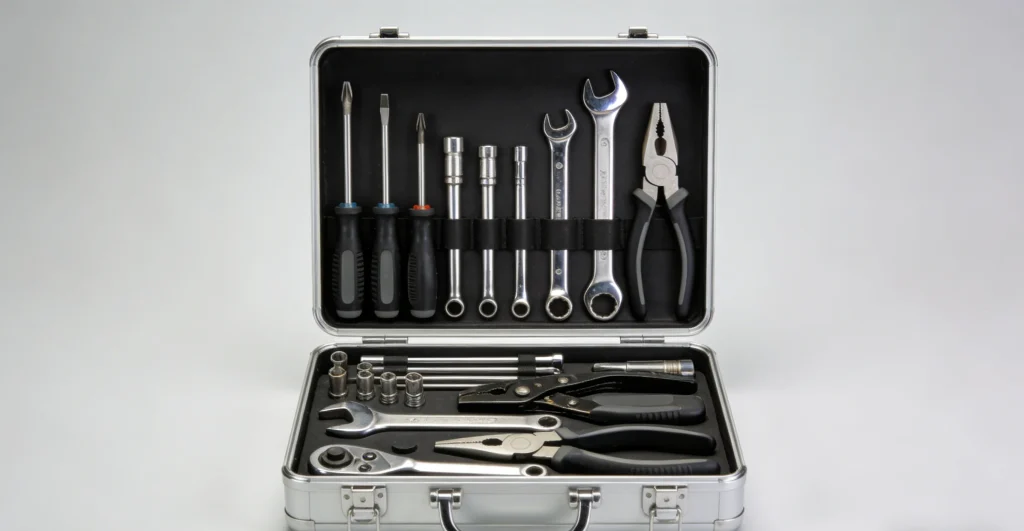
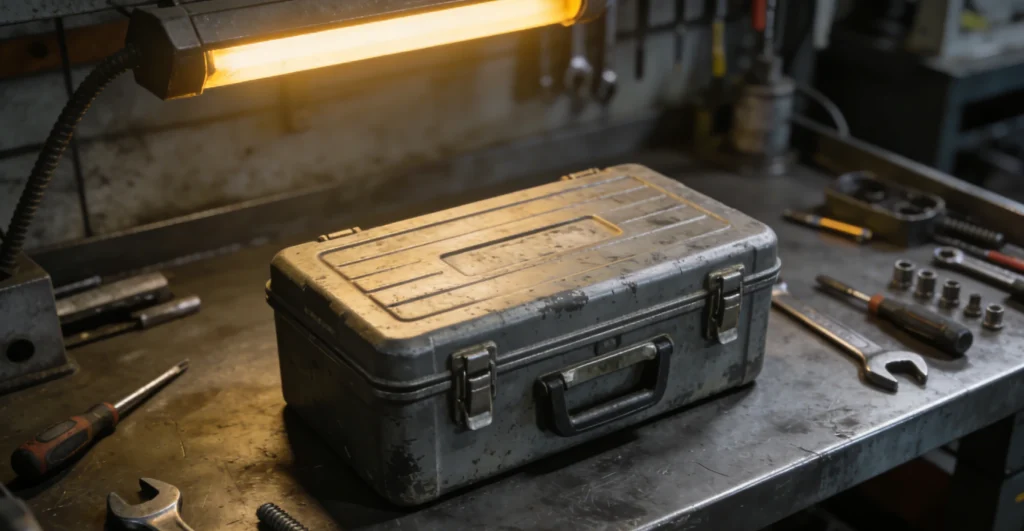
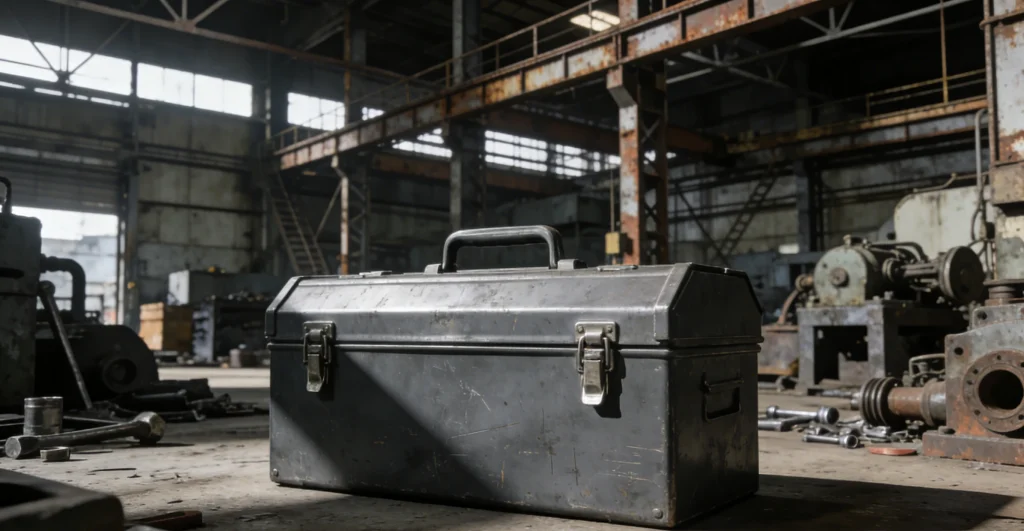
Lorry tool boxes are usually installed behind the cab, on the side of the chassis, or near the cargo area. They are used to store wrenches, screwdrivers, jacks, towing tools, repair accessories, and other items carried with the vehicle. During long-term vehicle operation, the tool box is continuously exposed to road bumps, vehicle vibration, rainwater, mud, sand, and temperature changes. Even if there is no obvious damage to the box, internal connectors, locks, hinges, and mounting positions may gradually become loose. Therefore, after a lorry tool box has been used for an extended period, regular inspections are necessary. It is not enough to only check whether the exterior of the box remains intact.
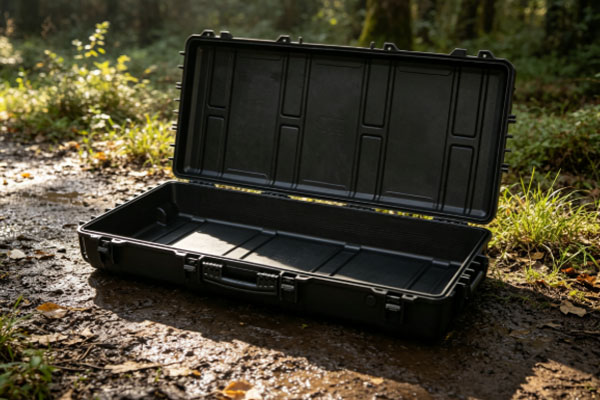
During inspection, you can start with the box panels, door, latches, hinges, sealing strips, mounting brackets, and bottom drainage areas. Aluminum alloy lorry tool boxes are lightweight and corrosion-resistant, but after long-term exposure to heavy tools and vehicle vibration, they may also develop slight bottom deformation, loose connecting screws, or frame misalignment. Once the tool box door does not close properly, the latch fails, or the mounting bracket becomes loose, abnormal noises may occur while the vehicle is moving. Tools may also become exposed to moisture, fall out, or cause further damage to the box. Regular inspections and timely handling of minor problems can keep the tool box in normal working condition and help reduce the frequency of repairs and replacements.
What Needs to Be Checked After Long-Term Use of a Lorry Tool Box?
Check the Exterior and Bottom Condition of the Box
Lorry tool boxes often carry heavy tools such as wrenches, sockets, and jacks for long periods, making the bottom plate an area that is continuously exposed to pressure. During inspection, check whether the bottom has obvious sagging, bulging, cracks, or deformation around connection points. If the tool box frequently stores heavy items, also check whether the frame around the box remains straight. The sides and top of the box should also be inspected. If the vehicle has been involved in a collision or the tool box has been squeezed by an external force, pay particular attention to dents. Minor surface scratches usually do not directly affect use, but deeper deformation may affect the closing and sealing performance of the door.
Check Whether the Door and Latches Operate Smoothly
After the door has been repeatedly opened and closed for a long time, the latches may become loose, stick, or fail to close completely. During inspection, open and close the door several times to check whether the latch engages smoothly. If considerable force is required to close the door, or if the door still moves noticeably after being locked, the lock and door position should be inspected further. For tool boxes installed outside the vehicle, the latches also help prevent tools from falling out and reduce the entry of external dust. Therefore, abnormal latch conditions should not be ignored.
Which Connecting Components Are Prone to Becoming Loose?
Continuous vibration generated during lorry operation can gradually affect the tool box mounting structure. Compared with the box panels, connecting points such as screws, hinges, and mounting brackets are generally more important to inspect regularly.
Mounting Brackets: Check whether the brackets securing the tool box to the chassis or cargo body are loose, deformed, or cracked, with particular attention to the bolt connections.
Screws and Fasteners: Long-term vibration may gradually loosen some fasteners. Check whether screws are missing, loose, or showing obvious corrosion.
Hinges: Frequent opening and closing of the door causes repeated stress on the hinges. Check whether the hinges are deformed or loose and whether the door becomes stuck when opening or closing.
Sealing and Drainage Areas: Check whether the door sealing strip has aged or come loose, and make sure the drainage holes are not blocked by mud or sand to prevent rainwater from remaining inside the box for long periods.
How Can You Determine Whether a Lorry Tool Box Needs Repair?
Some minor signs of use on a lorry tool box are normal, but if they already affect the door, latches, mounting structure, or load-bearing capacity of the box, they need to be addressed promptly. During inspection, do not look at individual components only. It is also necessary to check whether the various parts work together properly.
Check Whether Deformation Affects Closing
A local dent in the box does not necessarily mean that it needs to be replaced immediately. If the deformation does not affect the door, hinges, or latches, and the overall structure remains stable, it can be handled according to the actual condition. However, if the door cannot close completely or the box frame has become noticeably misaligned, the extent of the deformation needs to be checked.
Latch Problems Need to Be Addressed Promptly
A latch that sticks, cannot fully lock, or easily springs open after closing is considered an abnormal condition that needs to be addressed. Vehicle vibration can be significant during operation. If the door is not securely locked, the tools inside may move, and in serious cases, the door may open.
Do Not Simply Tighten the Screws When the Bracket Is Loose
If the tool box is found to be moving or shaking, the entire mounting structure should be inspected rather than simply tightening one loose screw. Check whether the bracket is deformed, whether the mounting holes have become enlarged, and whether there are cracks around the connection points. Simple tightening is only effective when the mounting structure itself remains stable.
Frequently Asked Questions
Q: How often should a lorry tool box be inspected?
A: The inspection schedule can be arranged according to vehicle usage frequency, road conditions, and the loading weight of the tool box. When the vehicle frequently travels long distances, operates on poor road conditions, or continuously carries heavy tools, the inspection frequency should be increased appropriately. Checking the tool box at the same time as routine vehicle maintenance is also a convenient approach.
Q: Does an aluminum alloy lorry tool box need to be checked for corrosion?
A: Aluminum alloy itself has good corrosion resistance, but latches, screws, hinges, and some connecting components may be made from other metals. These areas should still be checked for rust, oxidation, or looseness.
Q: Can a tool box still be used if the bottom has slight deformation?
A: Check whether the deformation affects the load-bearing capacity and door closing. If there is only a slight dent and the overall structure has not changed significantly, the condition can continue to be monitored. If the bottom is noticeably sagging and accompanied by box movement, frame deformation, or damage to connection points, the tool box should be repaired before continued use.
Q: Can a lorry tool box continue to be used if the latch is broken?
A: Long-term continued use is not recommended. When the latch cannot properly secure the door, vehicle vibration may cause the door to open unexpectedly. Depending on the extent of the damage, the latch can be replaced or the relevant connection points can be repaired.
Inspection of a lorry tool box after long-term use involves more than checking whether the box is damaged. Attention should also be paid to the door, latches, hinges, mounting brackets, fasteners, sealing strips, and drainage areas. Vibration generated during long periods of vehicle operation can gradually loosen connecting components. Long-term storage of heavy tools can increase the load on the bottom plate and mounting brackets. Rainwater and mud can also affect the locks, hinges, and internal storage environment. Therefore, regular inspection of these areas can help identify problems at an earlier stage. When inspecting the tool box, the tools can be removed first, followed by an inspection in the order of “box body—door—latches—hinges—mounting brackets—sealing and drainage.”
Tighten loose screws promptly, replace aged sealing strips when necessary, and clean blocked drainage holes in time. For deformation that already affects door closing, latch security, or mounting stability, avoid continuing to store heavy tools. The service life of a lorry tool box depends not only on the box material but also on the loading weight, installation method, vehicle operating environment, and daily maintenance. Controlling the tool weight properly, placing heavy tools securely, and keeping the interior organized can reduce internal impact and localized stress. Checking the tool box during routine vehicle maintenance also makes it easier to identify problems. Keeping the box intact, connections secure, latches functional, and sealing in good condition provides an important foundation for the long-term stable use of a lorry tool box.