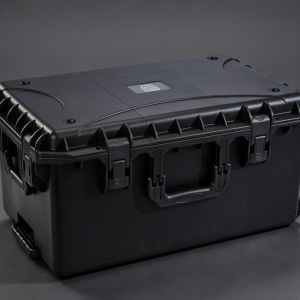
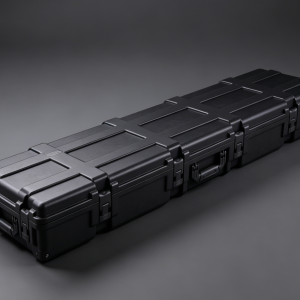
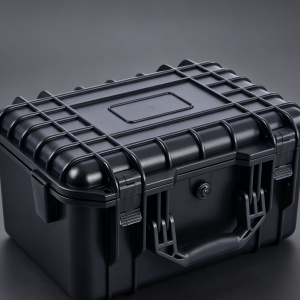
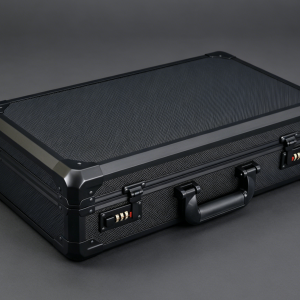
As the number of tools increases, a single storage compartment can easily lead to tools being stacked together, mixed specifications, and difficulty accessing the required items. Box-style tool carts use multiple drawers to provide clear storage locations for tools of different sizes, purposes, and usage frequencies, while allowing them to move with maintenance, assembly, and inspection tasks. In work environments where various tools are used frequently, a multi-drawer design makes storage, access, and return more efficient.
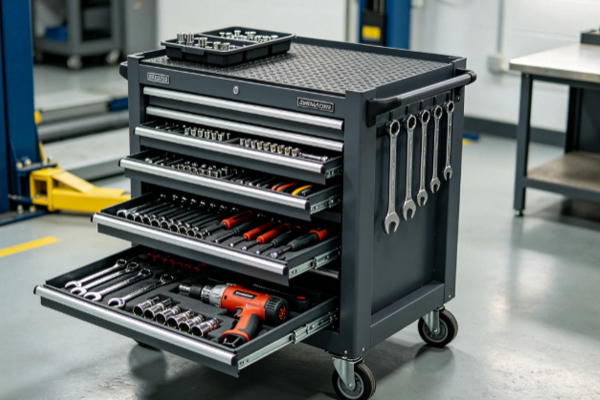
Multiple Drawers Make Tool Classification Clearer
A box-style tool cart may contain a large number of tools. If all tools are placed in the same compartment, both searching and organization can become difficult. Multiple drawers allow different storage areas to be established according to tool type.
Tools of Different Sizes Can Be Stored in Separate Layers
Tools of different sizes require suitable storage spaces. A layered design allows tools to be arranged more efficiently.
- Separate storage for small tools: Screwdrivers, pliers, hex keys, and similar tools are suitable for shallow drawers, making them easy to access.
- Deep drawers for larger tools: Sockets, hammers, power tools, and similar items are suitable for deep drawers.
- Separate compartments for small parts: Screws, washers, connectors, and other accessories can be organized with compartment boxes or dividers to prevent mixing.
Drawers with different depths can accommodate tools of different sizes and meet diverse storage requirements.
Frequently Used Tools Are Easier to Access Quickly
Dividing storage areas according to tool usage frequency can reduce the time required for daily access.
- Store frequently used tools near the top: Frequently used tools such as wrenches and screwdrivers can be placed in upper drawers for quick access.
- Centralize less frequently used tools: Spare tools can be stored in lower or deeper drawers to avoid occupying areas intended for commonly used tools.
A well-planned drawer layout can reduce searching time and keep the work area organized.
Multiple Drawers Improve Tool-Use Efficiency
A box-style tool cart is not only used for storage. It can also serve as mobile work support equipment, bringing tools directly to the work area.
Reduce the Time Spent Searching for Tools
During continuous maintenance or assembly tasks, the speed of tool access can affect work efficiency. By keeping commonly used tools on the same tool cart and organizing them according to the maintenance project or workflow, users can reduce the time spent searching for and retrieving tools. This allows workers to complete tasks more quickly while maintaining workflow continuity.
Drawer Structures Can Also Improve Tool Protection
Drawer compartments not only make tools easier to access but can also reduce wear and damage during storage.
- Reduce tool-to-tool contact: Separate compartments can reduce friction and collisions between different tools.
- Reduce exposure to dust: Compared with open shelves, enclosed drawers are more suitable for tools that need to remain clean.
- Make tool return easier: Fixed drawer locations help users develop the habit of returning tools promptly after use.
For precision measuring instruments or fragile tools, dividers, foam, and custom inserts can also be used for additional protection.
Multiple Drawers Can Adapt to Different Work Requirements
Different jobs use different types of tools. A multi-drawer structure provides a more flexible way to allocate storage space.
Automotive Repair Requires More Detailed Organization
Automotive repair usually involves tools with various specifications and purposes, so careful storage planning is necessary.
- Classify sockets and wrenches: Tools of different specifications can be assigned separate storage areas to reduce mixing.
- Store inspection tools separately: Testing equipment can be separated from ordinary metal tools to reduce the risk of collisions.
- Centralize consumables: Cable ties, connectors, and commonly used repair accessories can be stored in dedicated drawers.
Automotive repair involves many types of tools that are used frequently. A multi-drawer structure makes it easier to establish a consistent tool management system.
Factory Maintenance and Equipment Servicing Require Greater Standardization
In environments involving teamwork or multiple types of equipment, a consistent tool classification system can improve management efficiency.
- Organize by equipment type: Repair tools for different equipment can be assigned to separate drawers.
- Divide areas by job function: Mechanical, electrical, inspection, and other tasks can use different tool classification methods.
- Use labels for management: Marking tool categories on the outside of drawers makes them easier for multiple users to identify.
Clear drawer divisions help companies establish a more standardized tool storage system.
Multi-Drawer Designs Also Require Attention to Structure and Mobility
As the number of drawers increases, the overall weight and usage frequency of the tool cart may also increase. Therefore, the number of drawers should be properly matched with the load capacity, drawer slides, and cart structure.
Drawer Structure Affects Long-Term Use
Drawer quality affects the durability and daily operating experience of a tool cart. Smooth and stable drawer slides allow drawers to open and close more easily while reducing the risk of sticking. Since different drawers may hold tools of different weights, they should be loaded according to the rated capacity specified for the product. During movement, locking mechanisms help keep drawers secure and prevent them from sliding open accidentally due to vibration. A well-designed drawer structure allows a box-style tool cart to combine storage efficiency with long-term stability.
Wheels and Overall Structure Should Not Be Overlooked
A tool cart often needs to be moved frequently, so its wheels and overall structure also affect its performance.
- Casters should match the total cart weight: After the cart is fully loaded with tools, its weight increases significantly. The load capacity of the casters should match the actual load.
- Braking mechanisms make it easier to keep the cart stationary: During maintenance work, the tool cart needs to remain stable. Casters with brakes can help prevent unwanted movement.
- Consider the load capacity of the entire cart: The load capacities of the drawers, worktop, and bottom storage area should all be included when selecting a tool cart.
Multiple drawers are only one part of a box-style tool cart. The drawers, slides, cart body, and casters together determine the actual user experience.
A suitable combination of drawers can help users develop clear tool return habits and make it easier to quickly confirm tool status during teamwork. For automotive repair, equipment maintenance, engineering work, personal workshops, and similar applications, the right tool cart configuration can make daily operations more organized. SIPHIA BOX specializes in tool cases, protective cases, aluminum cases, and customized storage solutions. Based on the dimensions of tools and equipment, transportation requirements, and the intended operating environment, SIPHIA BOX can configure internal structures to provide flexible storage options for different tool management needs.