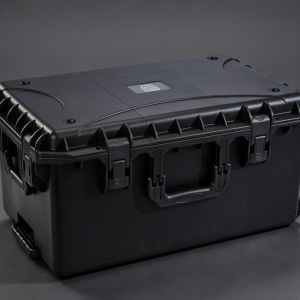
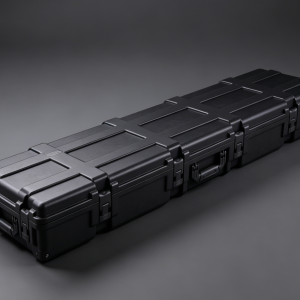
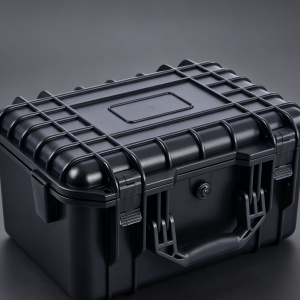
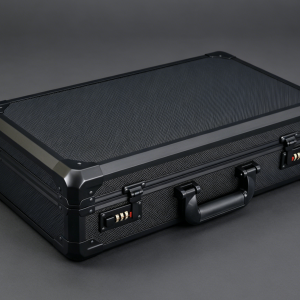
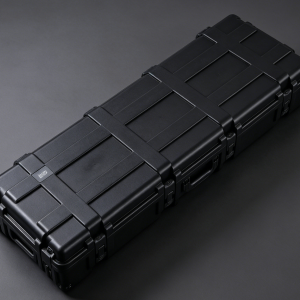
When buying a waterproof tool box, many people pay close attention to the sealing strip, waterproof performance, and locks, but the material of the box itself is just as important. If the wrong metal is used, the box may rust or deform over time, which can eventually affect its overall protection. This is especially important for outdoor maintenance, industrial work, automotive repair, and long-distance transportation. Users usually want to know whether a tool box is durable, rust-resistant, and capable of handling humid environments. Common metal materials include aluminum alloy, stainless steel, and galvanized steel, but each one suits different working conditions.
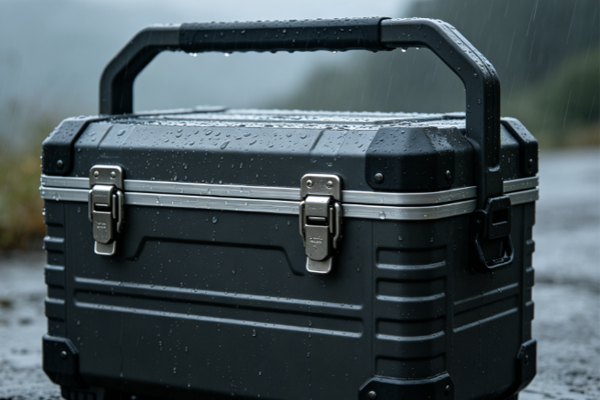
Is Aluminum Alloy Good for Waterproof Tool Boxes?
If you need a lightweight, rust-resistant, and portable waterproof tool box, aluminum alloy is often a practical choice. It is relatively lightweight and does not easily develop obvious rust from normal moisture. Aluminum tool boxes can be used for hand tools, maintenance equipment, electrical tools, and various small components.
- Lightweight and easy to carry: For the same size, an aluminum tool box is usually easier to move than a steel tool box. It works well for repair technicians and installers who need to carry their tools to different job sites.
- Good corrosion resistance: Aluminum naturally forms a protective oxide layer on its surface, providing good resistance to normal moisture, rain, and outdoor conditions. This makes aluminum a popular material for outdoor tool boxes, portable tool boxes, and waterproof storage boxes.
- Flexible processing options: Aluminum alloy can be anodized, coated, or treated in different ways to improve surface protection. It can also be manufactured in different finishes, making it suitable for professional tool boxes, maintenance tool boxes, and custom tool boxes.
For users who frequently move their tool box while working in humid environments, aluminum alloy offers a practical balance of weight, durability, and corrosion resistance.
How Good Is Stainless Steel for Waterproof and Rust-Resistant Tool Boxes?
The advantage of stainless steel is quite straightforward: strong corrosion resistance, solid construction, and long service life. For tool boxes that are frequently exposed to moisture, oil, or demanding working environments, stainless steel can provide a strong and stable box structure. However, it is usually heavier than aluminum alloy and may have a higher material cost. If the tool box needs to withstand frequent impacts, pressure, and long-term use in demanding conditions, stainless steel can be a reliable option. It is worth noting that stainless steel is not completely immune to corrosion. Its performance also depends on the steel grade, surface treatment, welding quality, and actual working environment.
Can Galvanized Steel Be Used for Waterproof Tool Boxes?
Galvanized steel is another common material for metal tool boxes. It offers good strength and load-bearing capacity while allowing manufacturers to control production costs more easily. It is suitable for industrial maintenance, warehouse storage, and heavy-duty tool organization. Some buyers assume that galvanized steel can never rust, but that is not quite true. The zinc coating provides additional corrosion protection for the steel underneath, but prolonged exposure to standing water, salt spray, or severe surface damage can still affect its protective performance.
- Good load-bearing capacity: If the tool box needs to store sockets, wrenches, power tools, or other heavy equipment, a steel structure can provide solid support and is suitable for industrial tool storage.
- Good resistance to impact: Steel has relatively high strength, so it can handle everyday handling, bumps, and stacking without easily becoming deformed.
- Easier cost control: For companies purchasing tool boxes in larger quantities, galvanized steel can offer a practical balance between strength and production cost, making it suitable for factory maintenance, equipment servicing, and warehouse tool management.
- Surface protection still matters: Edges, welded areas, and scratched sections need proper corrosion protection. For a truly waterproof tool box, it is not enough to check whether the steel is galvanized. The lid, joints, and sealing structure are also important.
Should You Choose Aluminum Alloy, Stainless Steel, or Galvanized Steel for a Waterproof Tool Box?
When purchasing a metal waterproof tool box, it is better to consider where the box will be used, what tools it will hold, and how often it will be transported before choosing a material. There is no need to automatically choose the most expensive metal.
- For outdoor repair work and frequent transportation: Aluminum alloy tool boxes are lighter and offer practical corrosion resistance, making them suitable for repair technicians, installers, and workers who frequently move their tools.
- For humid environments and long-term use: If the tool box is frequently exposed to moisture, oil, or demanding working conditions, stainless steel is worth considering. At the same time, check whether the sealing strip and box joints are properly designed.
- For heavy-duty tool storage: If you need to store large numbers of wrenches, sockets, power tools, or other heavy equipment, galvanized steel tool boxes offer strong structural performance and good load-bearing capacity.
- For genuine waterproof protection: The material is only part of the solution. A waterproof tool box also needs reliable sealing, a well-fitted lid, corrosion-resistant hardware, and proper drainage details. Even the most corrosion-resistant metal will not protect your tools properly if water can enter through the lid.
There is no single metal material that is ideal for every waterproof tool box application. Aluminum alloy is a good option when lightweight construction and corrosion resistance are priorities. Stainless steel is more suitable when corrosion resistance and long-term durability are important, while galvanized steel works well for heavy-duty tool storage and industrial applications. When purchasing a tool box, look beyond terms such as “aluminum tool box,” “stainless steel tool box,” and “galvanized steel tool box.” Pay attention to material thickness, surface treatment, sealing design, lock quality, and manufacturing processes as well. Choosing the right material together with a solid waterproof structure is the key to getting a metal tool box that can handle daily transportation, outdoor work, and long-term use.