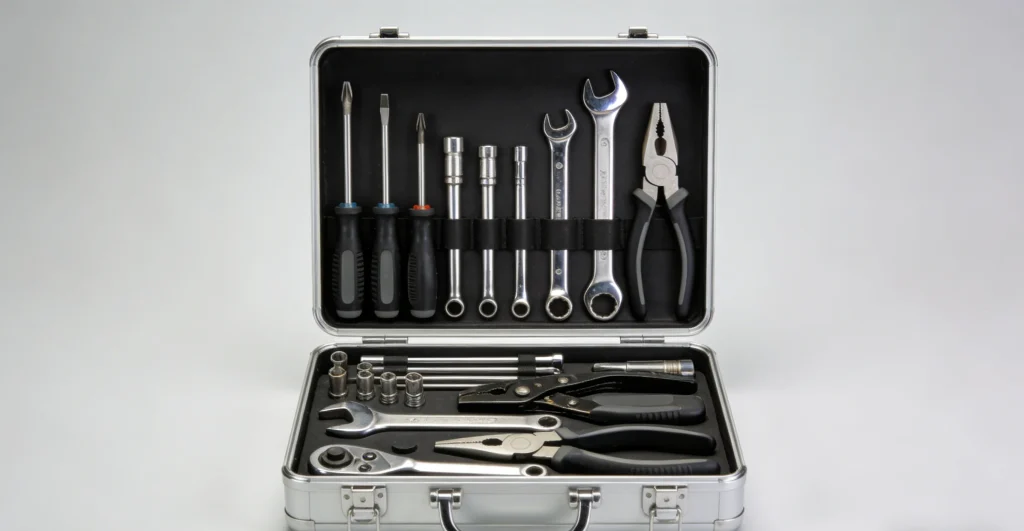
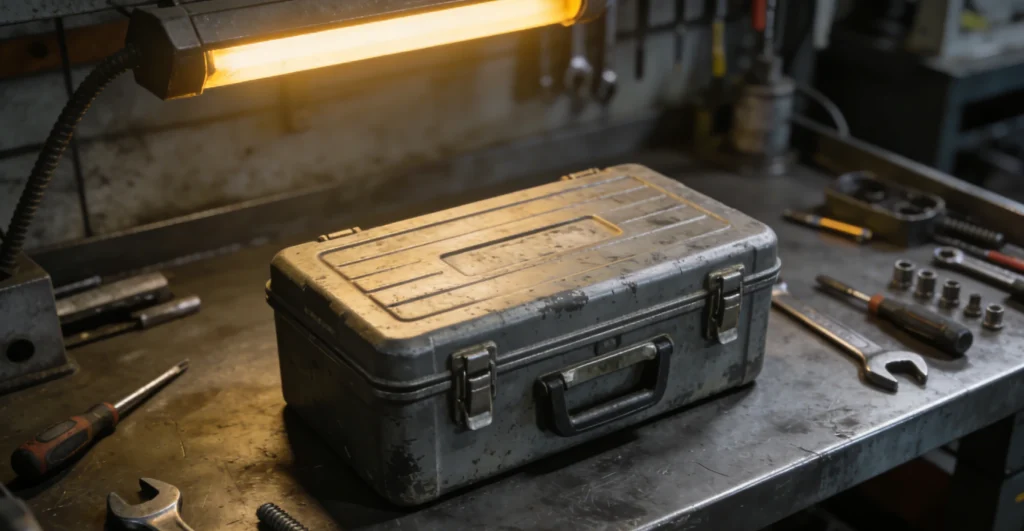
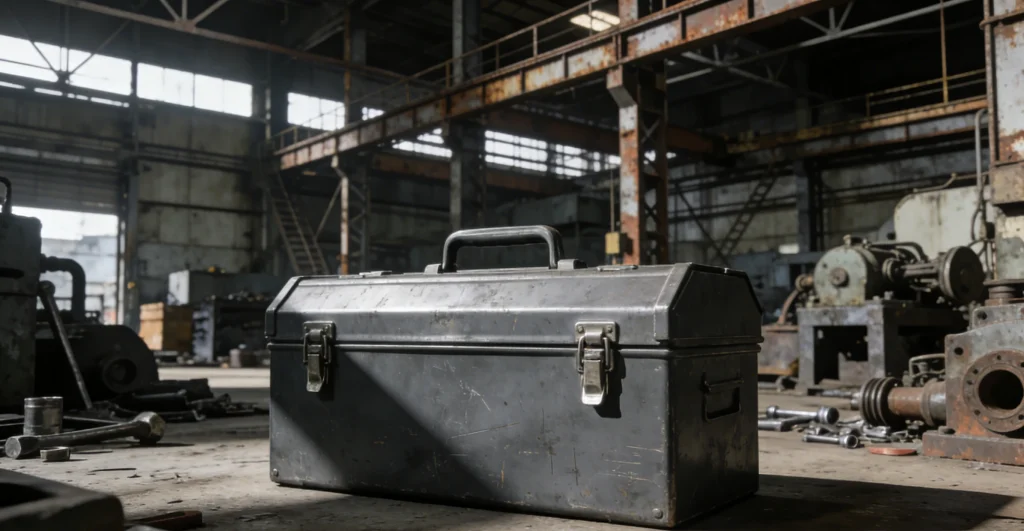
As the demand for home repairs, DIY projects, electronic equipment maintenance, and outdoor work continues to grow, convenient tool organization has become increasingly important in everyday life and professional work. Compared with traditional large toolboxes, mini toolboxes focus more on compact dimensions and efficient space utilization. They can keep commonly used screwdrivers, wrenches, pliers, bits, measuring tapes, and small components together in one compact storage space. Users can select the tools according to their actual requirements, making transportation easier while reducing the time spent searching for scattered tools. For people who frequently need to move their tools between different locations, a compact tool storage box can provide a practical and convenient solution.
What Are the Basic Features of a Mini Toolbox?
One of the most noticeable characteristics of a mini toolbox is its compact size. It is designed to meet basic tool storage requirements without taking up excessive storage space. Many mini toolboxes feature relatively small outer dimensions combined with carefully planned internal layouts to improve storage efficiency. Fo
r household users, the toolbox can be placed inside drawers, cabinets, garage shelves, or vehicle storage compartments. For maintenance workers and DIY enthusiasts, it can also be carried in a backpack or transported by hand. Because of its compact size, a mini toolbox is particularly suitable for frequently used tools without requiring users to carry large quantities of equipment that may not be needed.
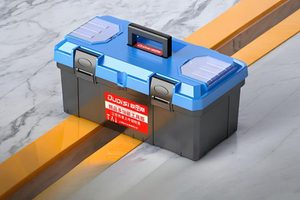
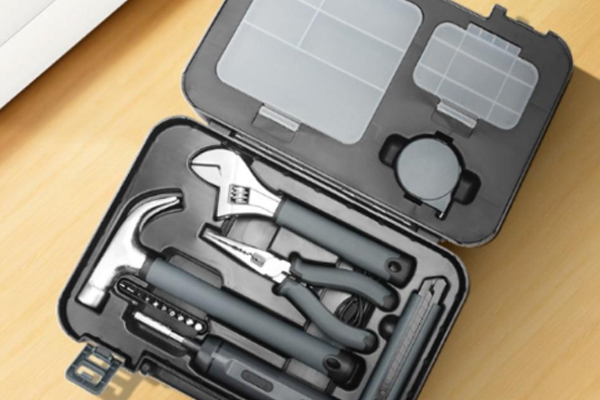
Mini toolboxes are commonly equipped with handles, latches, hinged lids, or compartment structures to improve convenience during transportation and use. Some compact tool storage boxes also include dedicated slots that help keep screwdrivers, wrenches, and other tools in relatively fixed positions. After opening the lid, users can quickly check the contents instead of repeatedly searching through a disorganized storage space.
Lightweight Portability Makes Tool Transportation Easier
Portability is one of the main reasons mini toolboxes are popular among consumers. Traditional large toolboxes can hold a substantial number of tools, but their weight and dimensions also increase accordingly. For household repairs, short-distance jobs, or temporary maintenance tasks, carrying a large toolbox may not always be practical. A mini toolbox allows users to carry only the tools needed for a specific task, reducing unnecessary weight.
For professionals who frequently move between work locations, a well-designed compact toolbox can simplify tool transportation. A maintenance worker can place screwdrivers, pliers, wrenches, and measuring tools required for the day inside the box and carry it directly to the work site. Household users can also use a small toolbox when assembling furniture, adjusting hardware, or performing basic repairs without having to move an entire tool cabinet.
The portability advantages of a mini toolbox can often be seen in the following design features:
- Compact body: Easy to place inside drawers, storage cabinets, vehicle trunks, and other limited spaces.
- Lightweight construction: Reduces physical effort during transportation.
- Portable handle: Allows convenient one-handed carrying and short-distance movement.
- Compact storage: Keeps commonly used tools together in a small space.
- Secure closure: Uses latches or locking mechanisms to keep the lid closed during transportation.
These features make mini toolboxes particularly suitable for everyday transportation and allow users to configure the contents according to different work requirements.
Efficient Storage Design Improves Space Utilization
Although a mini toolbox has limited external dimensions, its internal space can accommodate a useful collection of tools when properly designed. Many products use dividers, tool slots, small compartments, or layered storage structures to organize tools according to their size. Long tools such as screwdrivers and hex keys can be placed in dedicated positions, while screws, nuts, washers, and other small components can be stored in separate compartments.
An efficient storage structure can reduce unnecessary contact between tools and prevent them from becoming mixed together. It also makes it easier for users to check whether all tools are present. When tools are stored together without organization, finding a specific item can take more time, and small components may be easily misplaced. With compartmentalized storage, each tool has a relatively clear location and can be returned to the same position after use.
For tool suppliers and online stores, compact tool storage boxes can be offered in different capacities and internal configurations. A basic model may be suitable for common household tools, while a multi-compartment model can accommodate a larger collection of small accessories. Precision tool cases can also be designed for electronics repair, model building, and fine assembly work. Different internal layouts allow users to select products that match their specific tool combinations and storage habits.
Different Materials Allow Mini Toolboxes to Suit Various Environments
The material used in a mini toolbox affects its weight, structural strength, durability, and suitability for different working environments. Common materials include plastic, metal, and aluminum alloy. Plastic toolboxes are widely suitable for household, office, and general maintenance applications because plastic is lightweight, corrosion-resistant, and flexible for manufacturing. Injection molding technology can also be used to create different box dimensions and internal storage configurations.
Small metal toolboxes generally provide good structural rigidity and can be suitable for working environments that require stronger support. Aluminum alloy toolboxes combine relatively low weight with good structural strength, making them useful when tools need to be transported frequently. When selecting a product, consumers can consider tool weight, frequency of use, and the environment in which the toolbox will be used.
For household maintenance, users may prioritize lightweight construction, easy cleaning, and convenient storage. For workshops and maintenance sites, greater attention can be given to body strength, latch reliability, and internal organization. For outdoor applications, users may also consider features such as sealing, dust resistance, and moisture protection.
What Everyday Applications Are Suitable for Mini Toolboxes?
Mini toolboxes have a wide range of practical applications. Household repair is one of the most common uses. A compact toolbox can store screwdrivers, pliers, wrenches, measuring tapes, hammers, and commonly used hardware accessories. Furniture assembly, door and window adjustment, bicycle maintenance, and basic appliance repairs can all benefit from organized tool storage.
Mini toolboxes are also useful in office environments. Computers, printers, office furniture, and other equipment may require occasional basic maintenance. Employees can keep commonly used tools in a dedicated storage box, reducing the problem of tools being scattered throughout the workspace. For electronics technicians, model-building enthusiasts, and DIY users, mini toolboxes can also store precision screwdrivers, bits, tweezers, connectors, and various small components.
Automotive applications also demonstrate the portability advantages of compact toolboxes. Vehicle owners can configure a basic set of tools according to their needs and place the toolbox in a suitable storage compartment for simple tightening, adjustment, and routine maintenance tasks. Outdoor activities, photography equipment maintenance, mechanical assembly, and small engineering jobs can also benefit from mini toolboxes with appropriate capacities.
A mini toolbox combines compact dimensions, lightweight construction, organized compartments, and convenient portability to keep commonly used tools together in a limited storage space. It not only reduces the amount of storage space required but also helps users establish a more organized approach to tool management. For homes, offices, vehicles, DIY workbenches, and everyday maintenance tasks, choosing a mini toolbox with suitable capacity, practical internal organization, and reliable materials can make tool transportation and storage more efficient while improving convenience during daily use.