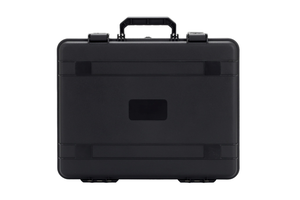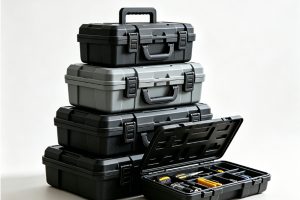
As the variety of tools continues to grow, many users realize that what truly affects efficiency is not the tools themselves, but how they are stored, categorized, and accessed quickly. Traditional toolboxes can handle basic storage, but their fixed internal space often becomes messy once too many tools are added, and they are difficult to expand later. Modular toolboxes are different. They are more like a sustainable and upgradeable tool management solution that can be freely combined according to different usage scenarios. For users who want to improve efficiency, reduce clutter, and optimize their working experience, modular toolboxes clearly better meet modern needs.
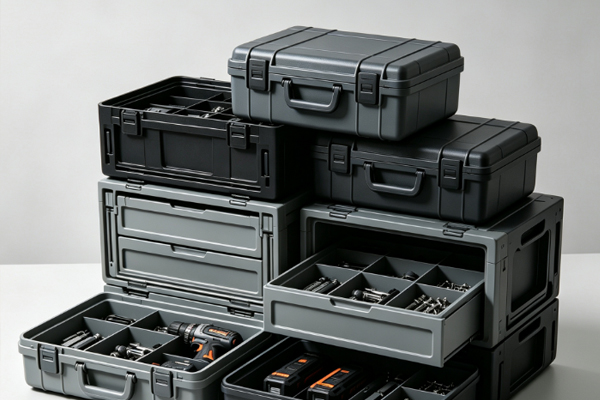
Modular Toolboxes Offer More Flexible Storage Logic
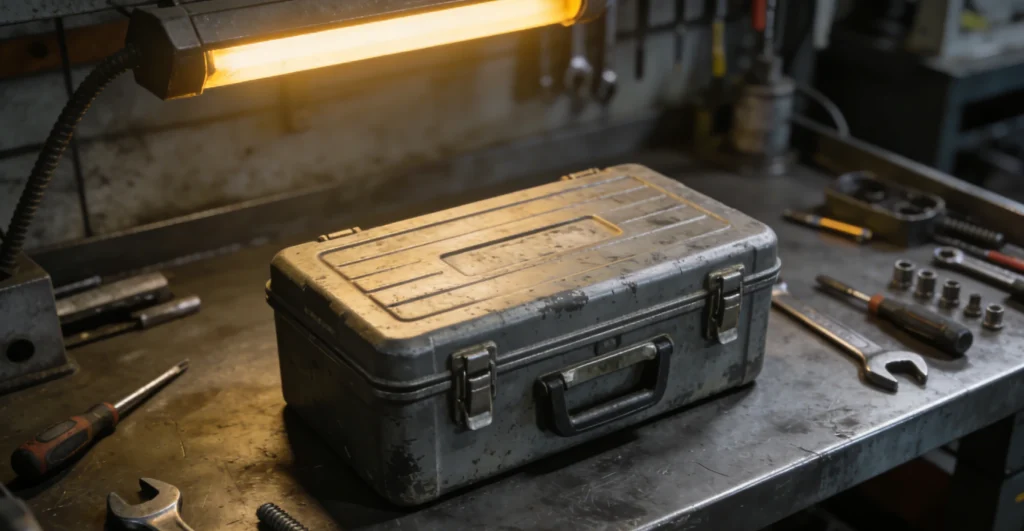
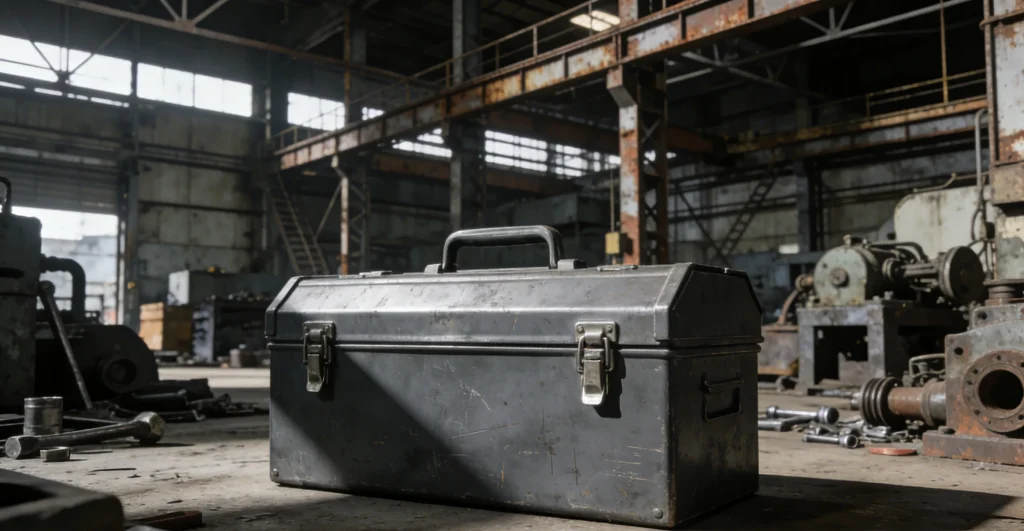
Traditional toolboxes are usually designed as a single integrated unit with fixed internal space. Once too many tools are placed inside, they tend to pile up together, making them hard to find and easy to damage through collision. Modular toolboxes, however, use layered, boxed, and zoned management so that each type of tool has a clear position. This makes the storage logic more organized and better suited for long-term use.
Clearer Categorization, Faster Tool Access
One of the biggest advantages of modular toolboxes is that they allow different types of tools to be managed separately, helping users find what they need more quickly.
- Common tools, spare parts, and consumables can be placed in different modules to reduce mixing and loss.
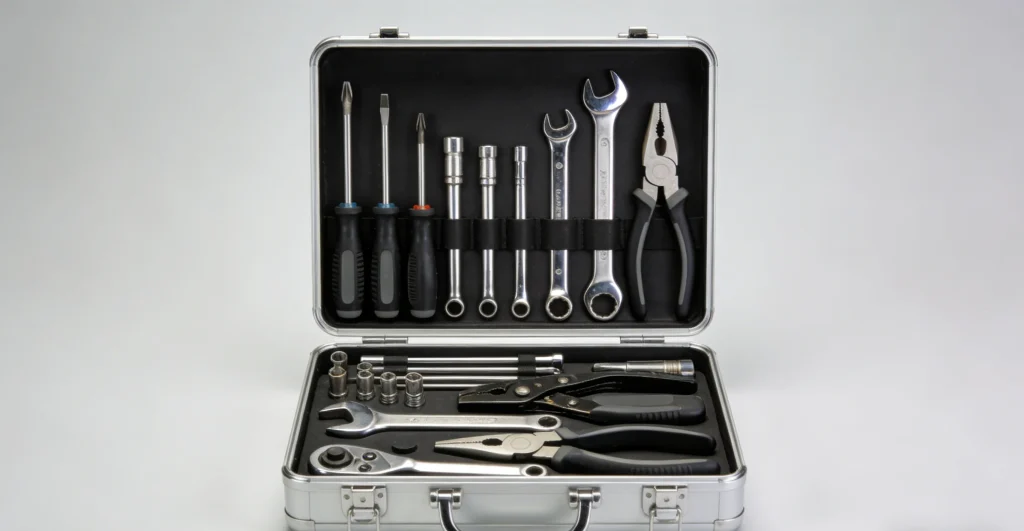
- Screwdrivers, wrenches, drill bits, and other frequently used tools can be fixed in dedicated positions so they are visible immediately when opened.
- During repair or installation work, users do not need to repeatedly search through the entire toolbox, making the workflow smoother.
When tools are categorized clearly enough, daily efficiency improves significantly, especially for users who need to operate frequently.
Higher Space Utilization and Easier Expansion
Modular toolboxes can also adjust capacity flexibly according to actual needs, without being limited by a fixed structure.
- When there are fewer tools, users can start with basic modules to keep desks and storage areas tidy.
- As the number of tools increases, additional modules can simply be stacked on without replacing the entire toolbox.
- For long-term users, this expandable design is more cost-effective and more durable.
This flexible structure allows users to find suitable storage solutions at different stages and is especially ideal for scenarios where the number of tools keeps growing.
Modular Toolboxes Are Better Suited for High-Frequency Use
Whether in workshop repairs or on-site operations, the core value of a toolbox lies in being easy to access, easy to store, and easy to move. If a toolbox has large capacity but is inconvenient to use, it will still affect efficiency. Modular toolboxes perform better in these aspects and align more closely with real working habits.
Higher Access Efficiency
In high-frequency usage scenarios, whether tools are easy to access directly affects work efficiency. Through reasonable layering and modular design, modular toolboxes make tool management more intuitive.
- Frequently used modules can be placed on the top layer or in the easiest-to-reach position, reducing bending and searching.
- Drawer-style or compartment-style designs make tools easy to see at a glance, allowing users to quickly confirm their location after opening.
- For repair technicians, the time saved can be directly converted into higher work efficiency.
When tool positions are fixed and categories are clear, users can enter work mode faster and reduce unnecessary waiting.
More Flexible for Carrying and Combining
Modular toolboxes are not only suitable for static storage, but also ideal for work environments that require frequent movement. A single module can be carried separately depending on the task, or multiple modules can be quickly combined into a complete system. This makes them convenient to transport and easy to manage uniformly, especially for auto repair, equipment maintenance, and field operations.
Modular Toolboxes Are More Durable and More Professional Than Traditional Toolboxes
Many users focus only on capacity when choosing a toolbox, while overlooking structural stability and long-term user experience. In fact, modular toolboxes are better suited for high-frequency work environments in terms of materials and structural design. They not only protect tools but also improve the overall user experience.
More Stable Structure, Better Tool Protection
Modular toolboxes usually pay more attention to stacking and connection design, which gives them an advantage in load-bearing and stability, making them more suitable for storing heavier tools.
- The modules connect tightly, so they are less likely to wobble when stacked and remain more stable during transport.
- High-strength materials can تحمل heavier tool loads, making them suitable for long-term storage of metal tools, power tools, and accessories.
- Once tools are stored in layers, collisions between them are reduced, lowering the risk of wear and scratches.
A stable structure not only extends the service life of the toolbox itself but also better protects the tools inside.
Better Suited to Professional Management Needs
A modular toolbox is not just a container for storing tools, but a systematic solution for improving management efficiency. Its advantages are especially obvious in professional settings and are ideal for work environments that demand high levels of order and efficiency. Different modules can be categorized by trade, purpose, or frequency of use, making management clearer; when shared by a team, tool return becomes more standardized, reducing mistaken use and repeated searching; the overall workspace also looks cleaner and more professional.
Different Users Can Find a Suitable Solution
The reason modular toolboxes are becoming more and more popular is not only because they can “hold more,” but because they can adapt to the real needs of different users. Whether for professionals or ordinary households, users can find the right combination based on their tool quantity and usage habits.
Professional Users Value Efficiency and Expandability More
For repair shops, factories, and engineering sites, the core of tool management is not simple storage, but efficient access and continuous expansion. Modular toolboxes are well suited to this kind of long-term, dynamic usage.
- Repair shops, factories, and engineering sites usually need to manage large numbers of tools centrally, and clear categorization helps reduce confusion.
- Modular combinations can be upgraded continuously as business grows, so insufficient capacity will not affect work arrangements.
- High-quality storage solutions like SIPHIA BOX are more suitable for long-term use and future expansion.
Professional users usually have higher requirements for durability, expandability, and management efficiency, and modular toolboxes are able to meet these needs very well.
Home Users Value Simplicity and Practicality
For home users, the number of tools may not be large, but tidy storage and easy access are still important. Modular toolboxes are also very user-friendly in this regard and can make home repairs much easier.
- If household repair tools do not have fixed positions, they are often hard to find when needed. Modular toolboxes solve this problem effectively.
- Modular toolboxes have a controllable size and do not take up too much space, making them suitable for storage rooms, garages, or cabinets.
- During daily installation, repair, or organization tasks, users only need to open the corresponding module to quickly find the tools, making the experience much easier.
Home scenarios need a lightweight, clear, and easy-to-manage tool storage solution, and modular toolboxes are able to balance all of these needs.
The reason modular toolboxes are more practical than traditional toolboxes is that they are not simply for “holding tools,” but for helping users build a more efficient tool management system. They can categorize, expand, and be carried easily, while also being better suited for long-term use. For users who want to improve storage efficiency, optimize workflows, and create a more professional tool management experience, the modular toolbox solutions provided by SIPHIA BOX are undoubtedly a more worthwhile choice.