A violin is a delicate musical instrument that requires reliable protection for its body, neck, and bow. Whether you are a beginner, a professional performer, or a collector, a high-quality violin case is essential for safe storage, daily transportation, and long-distance travel. Modern violin cases offer far more than basic storage. They are designed with advanced shock resistance, moisture protection, lightweight construction, and durable materials to meet the needs of different musicians. With a wide range of styles, materials, and structural designs available, selecting the right violin case depends on how and where the instrument will be used. Understanding the different types of violin cases can help musicians make informed purchasing decisions while ensuring their instruments remain in excellent playing condition for years.
Hard Violin Cases Are a Popular Choice for Daily Protection
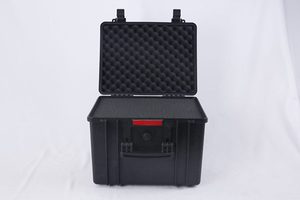
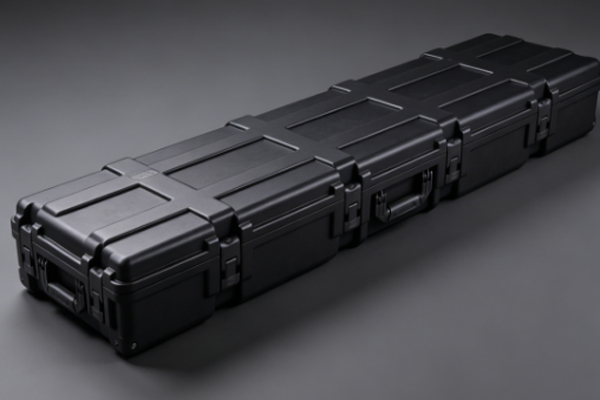
Hard violin cases are among the most commonly used options because they provide excellent protection against impacts and external pressure. Musicians who frequently travel between rehearsals, music schools, performances, or recording studios often prefer hard-shell cases because they create a secure environment for the instrument during transportation. The rigid exterior helps absorb accidental impacts, while the soft interior lining supports the violin and minimizes movement inside the case. Many premium models also include moisture-resistant materials and insulated construction to help maintain a stable environment under changing weather conditions. Compared with soft carrying bags, hard violin cases generally offer a longer service life and better long-term protection, making them suitable for both everyday use and valuable instrument collections.
Different Violin Case Materials Offer Different Benefits
The material used to manufacture a violin case has a direct impact on its weight, durability, and protective performance. Understanding the characteristics of each material helps musicians choose the most suitable product for their individual needs.
Common materials include:
- ABS Plastic: Offers reliable impact resistance, moderate weight, and excellent value for students and everyday players.
- Fiberglass: Provides outstanding durability and scratch resistance, making it ideal for musicians who travel frequently.
- Carbon Fiber: Combines lightweight construction with exceptional strength while offering excellent moisture resistance, making it a preferred option for many professional performers.
- Wooden Construction: Features a traditional appearance and strong structural support, making it suitable for long-term storage and instrument collections.
Each material has its own advantages depending on the user’s budget, travel frequency, and storage requirements. Choosing the right material ensures an effective balance between protection, portability, and long-term durability.
Portable Designs Improve Everyday Convenience
Modern violin cases are designed not only to protect instruments but also to improve carrying comfort. As music education and live performances become more common, portability has become an important feature for musicians of all skill levels. Many violin cases include ergonomic handles, padded backpack straps, and lightweight structures that make transportation easier throughout the day. Students who travel between school and music lessons benefit from lighter cases, while professional performers appreciate designs that simplify travel by car, train, or airplane. Many cases also include dedicated compartments for accessories such as sheet music, shoulder rests, rosin, spare strings, and cleaning cloths. Organized storage allows musicians to keep all essential equipment together while reducing the risk of losing important accessories.
Different Playing Situations Require Different Types of Violin Cases
Different environments require different levels of protection, making it important to select a violin case that matches specific usage requirements. Choosing the appropriate design allows musicians to better protect their instruments while improving convenience during everyday activities.
Typical application scenarios include:
- Daily Practice and Music Lessons: Lightweight and affordable cases are suitable for students who transport their violins regularly.
- Stage Performances: Stylish cases with excellent shock protection and quick instrument access are ideal for professional performances.
- Long-Distance Travel: Heavy-duty cases with reinforced shells, secure locking systems, and moisture resistance provide greater safety during transportation.
- Long-Term Storage and Collections: Well-insulated cases with soft interior padding help preserve valuable violins in stable conditions over extended periods.
Selecting a violin case based on its intended use helps maximize protection while improving the overall playing and travel experience.
High-Quality Violin Cases Provide Long-Term Value
A violin case is much more than a storage container. It serves as an essential investment in protecting one of a musician’s most valuable possessions. Premium violin cases are manufactured using carefully selected materials, reinforced structures, durable hardware, and precision craftsmanship. Features such as wear-resistant exterior surfaces, soft interior linings, strong hinges, and reliable locking mechanisms contribute to better long-term performance. High-quality cases maintain their shape even after years of regular use and provide dependable protection against environmental changes, accidental impacts, and daily wear. For valuable violins, selecting a well-built case is an effective way to preserve both appearance and performance. Whether used for professional concerts, music education, or private collections, a durable violin case offers peace of mind and dependable protection throughout the instrument’s lifetime.