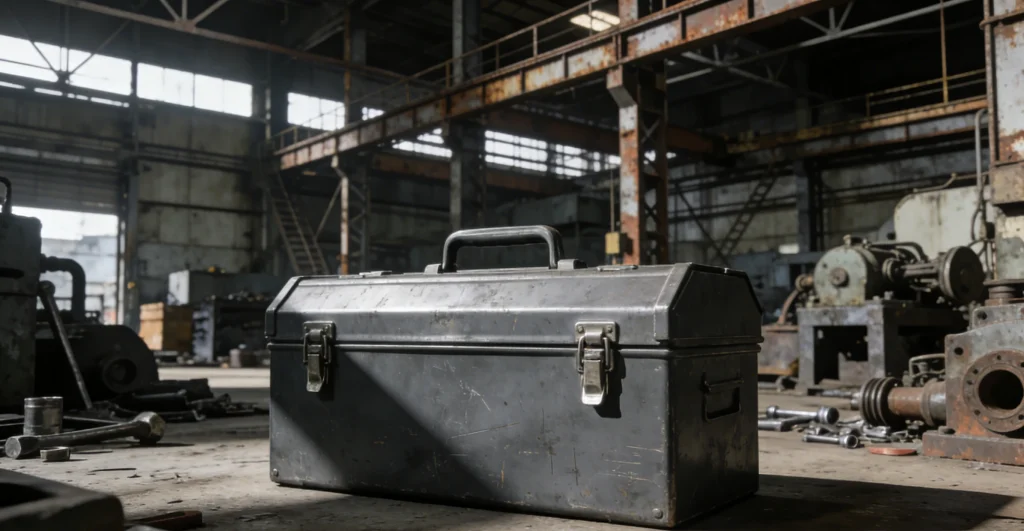
Tool storage involves more than simply having enough capacity. It also requires different types of tools to be stored separately, frequently used items to be accessed quickly, and the storage system to remain convenient when the work location changes. Stackable toolboxes use multiple independent modules to form a combined storage structure that can be adjusted according to tool size, frequency of use, and work tasks. For automotive repair, engineering, industrial maintenance, and DIY applications, this design allows storage space to better match specific work requirements.
What Are the Common Combination Methods for Stackable Toolboxes?
The core of a stackable toolbox system is not simply increasing the number of boxes, but using different functional modules to create an organized storage system in which tools have designated locations according to their purposes.
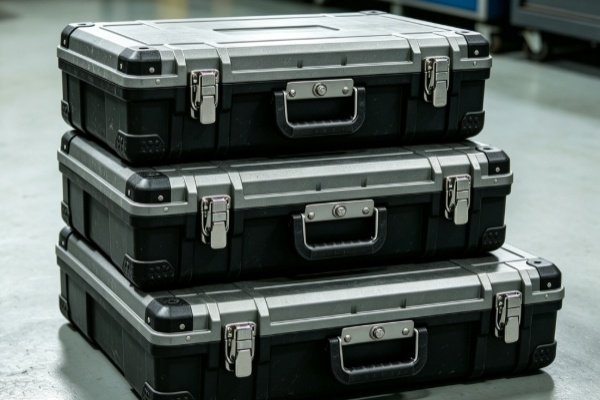
Vertical Stacking of Toolbox Units
Multiple independent toolbox units can be vertically combined according to their sizes and functions, turning scattered tools into a more complete storage system.
- Frequently used tools such as screwdrivers, wrenches, and pliers can be placed in the upper section;
- The middle module can hold auxiliary tools and commonly used accessories;
- The bottom toolbox can accommodate larger equipment or tools.
This structure makes use of vertical space while allowing users to add or remove storage modules according to the number of tools they have.
Combination of Drawers, Tool Boxes, and Accessory Modules
Different functional units can be configured for specific storage requirements. Drawers are suitable for hand tools that are frequently accessed, deep boxes can hold power tools and larger equipment, while compartmented accessory boxes are suitable for screws, drill bits, washers, and other small parts. By combining modules with different functions, large tools and small accessories can have appropriate storage areas, reducing the difficulty of finding items caused by mixed storage.
Combining Modules According to Work Tasks
For users handling different maintenance projects, tool combinations can be configured according to specific tasks.
- Automotive repair tools, equipment inspection tools, and installation tools can be placed in corresponding modules;
- The storage structure can correspond to specific work procedures;
- Relevant tool modules can be taken directly when carrying out a particular task.
This combination method makes tool management more closely aligned with actual workflows and improves access efficiency.
How Can a Modular Structure Improve Space Utilization?
As the number of tools increases, workshops, warehouses, vehicles, and home storage areas may all face space limitations. Stackable designs use vertical layouts and different module sizes to accommodate more tools within limited space.
Vertical Stacking Reduces Floor Space
When multiple toolboxes are stacked vertically, more storage levels can be created within a relatively small floor area.
- Less horizontal space is occupied near workshop workbenches;
- Warehouse shelves can be planned according to module height;
- Garage walls and corners can be used more effectively;
- Additional storage levels can be added as the number of tools increases.
For users with many tools but limited available space, vertical storage can improve the overall organization of the area.
Different Module Sizes Improve Space Matching
Tools vary considerably in size. A small screwdriver and a large power tool require very different storage spaces. Using modules with different heights and depths can reduce unused space caused by storing small tools in oversized boxes. With appropriate combinations, each storage unit can serve a specific purpose, making the internal space better suited to the dimensions of the tools.
How Can Stackable Combinations Improve Tool Management Efficiency?
Once tools have designated storage areas, daily access, return, and inventory checks become more straightforward. The modular structure can also be arranged according to usage frequency, keeping commonly used tools in more accessible positions.
Categorized Storage Makes Access More Efficient
Dividing tools according to type, frequency of use, or task can narrow the search area.
- Wrenches, pliers, and other hand tools can be managed together;
- Power tools can be stored in larger independent modules;
- Screws, drill bits, washers, and other small accessories can be kept in compartmented boxes;
- Backup tools can be separated from frequently used tools.
Clear categorization reduces searching time and also makes it easier to return tools to their designated locations after use.
Independent Modules Make Selective Carrying Easier
A detachable structure allows users to choose the modules they need according to the work being performed. A simple repair task may require only one tool module, while a more complex task can involve additional storage units. This approach reduces the need to carry unnecessary tools and is particularly practical for maintenance and engineering personnel working across different areas.
What Long-Term Value Do Stackable Toolboxes Provide?
Tool configurations are not fixed. Business activities, maintenance projects, and personal working habits can all change over time. A modular structure can be reorganized according to new storage requirements, allowing the tool storage system to remain adaptable.
The System Can Be Expanded as Tools Increase
When the existing space can no longer accommodate additional tools, new boxes, drawers, or accessory modules can be added without replacing the entire storage system.
- Modules can be added gradually according to the number of tools;
- Configurations can be expanded in stages according to actual usage requirements;
- Maintenance teams and engineering personnel can expand the system flexibly.
This expansion method allows the storage system to adapt to changing tool requirements while reducing the need for complete replacement.
Modules Can Be Reconfigured When Work Requirements Change
Different projects require different tools, and modular designs allow the storage structure to be adjusted as tasks change.
- Corresponding tool modules can be added when new equipment is introduced;
- Tool categories can be reorganized when work priorities change;
- Frequently used tools can be placed in more accessible positions;
- Temporarily unused tools can be transferred to other storage units.
This adjustable structure can extend the practical service life of the toolbox and make the storage solution more adaptable to different stages of work.
For users looking to establish a systematic tool management method, the value of a stackable structure lies in allowing storage space to be adjusted according to actual tasks. When choosing a product, buyers can look beyond toolbox capacity and pay close attention to overall usability and performance. SIPHIA BOX specializes in modular tool storage solutions and can provide stackable toolboxes and customized storage solutions for automotive repair, engineering operations, industrial maintenance, and home applications, helping customers build a more suitable storage system based on their specific tool configurations.