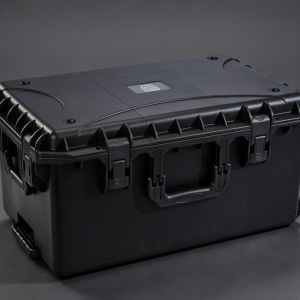
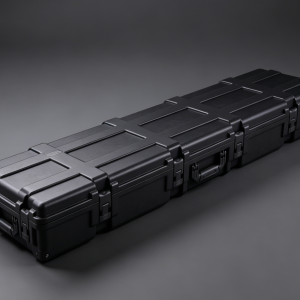
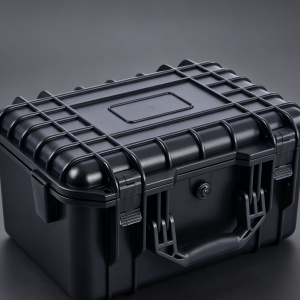
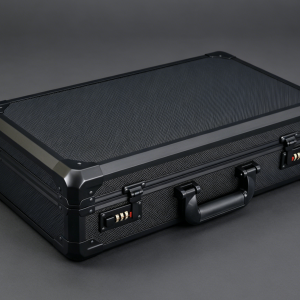
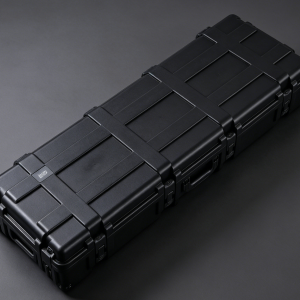
When purchasing toolboxes for business use, color is more than just an appearance detail. The right color can strengthen brand recognition, create a consistent team image, and help employees identify different tools or departments. For companies involved in automotive repair, industrial maintenance, engineering, and outdoor operations, toolbox color customization is an effective way to match toolboxes with company logos, vehicles, uniforms, and other equipment.
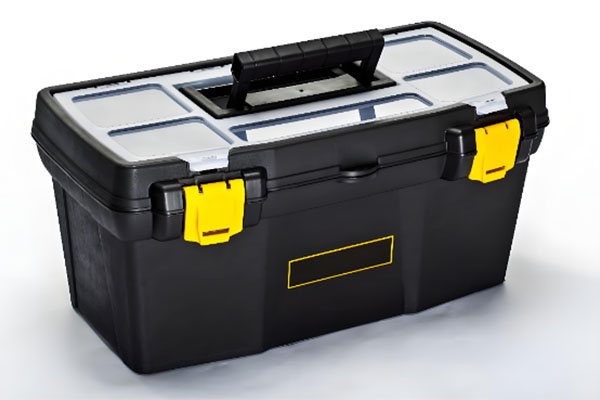
Why Customize Toolbox Colors for Your Business?
Strengthen Brand Recognition
Many companies already have established brand colors, such as blue, red, green, or dark gray. Applying these colors to toolboxes can make the products part of the company’s visual identity.
When a maintenance team, engineering fleet, or warehouse uses multiple toolboxes, a consistent color scheme creates a professional appearance and makes company-owned equipment easier to identify.
Improve Tool Classification and Management
Toolbox colors can also be used as part of an internal color-coding system. For example, blue toolboxes can be assigned to mechanical maintenance tools, yellow to electrical tools, red to emergency repair tools, and gray to inspection equipment.
There is no universal color standard. Companies can develop their own system according to their operational needs. The key is to keep the relationship between color and tool category consistent over time.
Improve Identification in Work Environments
In factories, warehouses, construction sites, and service vehicles, toolboxes are often stored alongside many other tools and materials. A distinctive color makes it easier for workers to quickly locate the toolbox they need.
How to Choose Toolbox Colors That Match Your Brand Identity?
Start With Your Corporate Brand Colors
If your company already has a defined brand color, avoid using general descriptions such as “blue” or “black” when ordering customized toolboxes. Instead, provide a specific color code, color card, or physical sample whenever possible.
Different shades of the same basic color can produce significantly different visual results. For example, navy blue, royal blue, sky blue, and dark blue have different appearances on finished products. For large-volume orders, establishing a clear color standard can help maintain consistency between production batches.
Consider Your Logo and Vehicle Colors
If toolboxes are mainly used for automotive repair, road services, or engineering vehicles, their colors can be coordinated with company vehicles, logos, and work uniforms.
A toolbox does not necessarily need to use one color throughout. A two-tone design can also work well, such as a brand-colored case with black edges or a silver aluminum toolbox with brand-colored handles and decorative elements.
Consider the Working Environment
Corporate brand colors do not necessarily have to be used in exactly the same way in every application. Outdoor construction and road maintenance environments may require better visibility, while indoor workshops, warehouses, and precision equipment storage areas may place greater emphasis on overall visual coordination.
For toolboxes intended for long-term outdoor use, companies should also consider surface treatment, weather resistance, and the potential for dark surfaces to absorb more heat under direct sunlight.
What Details Should Be Confirmed for Toolbox Color Customization?
Define the Color Standard
It is recommended to confirm colors through a combination of a brand color code, color card, and physical sample. The appearance of a color on a computer or mobile screen can vary depending on the display, lighting, and photography conditions, so digital images are better used as an initial reference rather than the final color standard.
Define the Color Application Areas
Toolboxes can use single-color, two-color, or partial-color designs. For example:
- Use the corporate brand color for the main toolbox body.
- Use black or dark gray for the lid.
- Keep aluminum frames in their natural silver finish.
- Apply the brand color to handles, locks, or decorative elements.
- Use laser engraving or screen printing for the logo area.
A well-planned combination can prevent the toolbox from looking visually monotonous while maintaining a consistent brand identity.
Choose the Surface Treatment
Different finishing processes can affect the final color and surface appearance of a toolbox. Common options for aluminum toolboxes include anodizing, powder coating, and painting.
Anodizing can retain a distinctive metallic appearance, while powder coating and painting offer a wider range of color options and surface finishes.
What Should You Consider When Customizing Toolbox Colors in Bulk?
Approve a Sample Before Mass Production
If color accuracy is important to your brand, it is recommended to approve a physical sample before starting mass production. A sample allows you to evaluate the actual color, gloss, surface texture, and visual differences between different materials.
Balance Color With Functional Design
Color customization should not replace functional considerations. When purchasing toolboxes, businesses should also evaluate material, dimensions, load capacity, waterproof performance, impact resistance, locks, handles, and internal EVA foam inserts.
The ideal toolbox should combine an attractive appearance with the performance required for its working environment.
Establish Long-Term Purchasing Standards
For companies that regularly purchase toolboxes, it is useful to establish consistent color and product specifications. This helps maintain a uniform visual appearance when additional toolboxes are ordered in the future.
Build a Consistent Toolbox Color System
For repair companies, engineering businesses, manufacturing facilities, and professional service teams, toolbox colors can be associated with departments, job roles, tool categories, or working areas. Combined with company logos, equipment numbers, and text labels, a consistent color system can further improve toolbox organization and management.
Siphia Tool Box also provides customization options such as laser logo engraving, screen printing, and bulk color customization, making it possible for businesses to create toolboxes that align with their corporate identity.For business purchasing, toolbox color can both strengthen brand recognition and support tool classification and workplace organization. When selecting a customized toolbox color, companies should consider brand identity, working environment, surface treatment, and functional requirements together to create a solution that balances appearance and practicality.